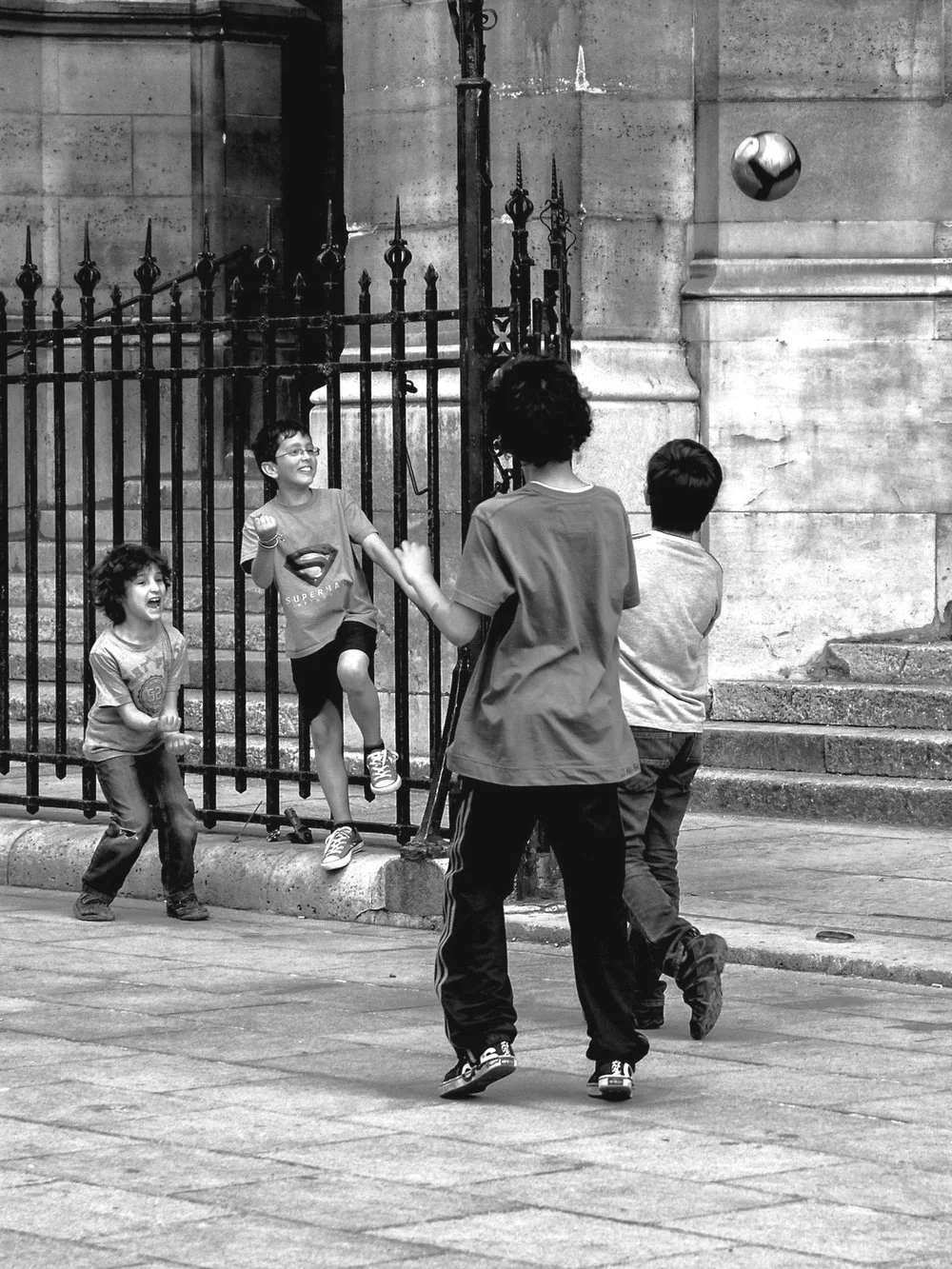
Maureen Fitzmahan
We'll always have Paris, Julius J. Epstein, Philip G. Epstein, and Howard Koch, Casablanca, 1942
Ahhh… Paris. First among cities for a street photographer and documentarian. There are other great places to take street photos. The teeming streets in Manhattan present men and women of all kinds. Well dressed, poorly dressed, and undressed.
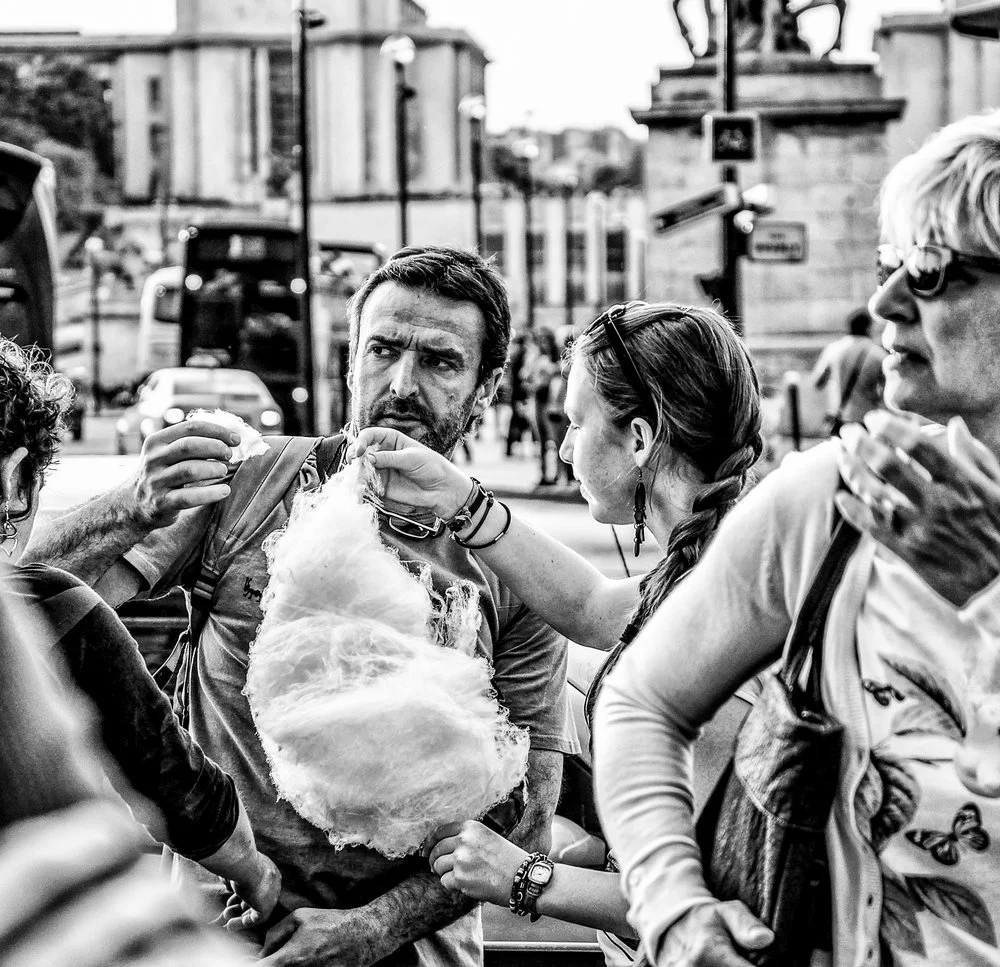
mbfitzmahan. Paris.
Street photography started in Paris. Refreshingly freed from the heavy cameras of their predecessors, Henri Cartier-Bresson, Édouard Boubat and Robert Doisneau documented Paris in pre and post World War Europe. They were joined by other photographers, many of them Jewish refugees, who escaped Hungary and Germany to work in photography in Paris. Their work captured an instant in the lives of ordinary people of the Paris of the 30s, the 40s, and the 50s.
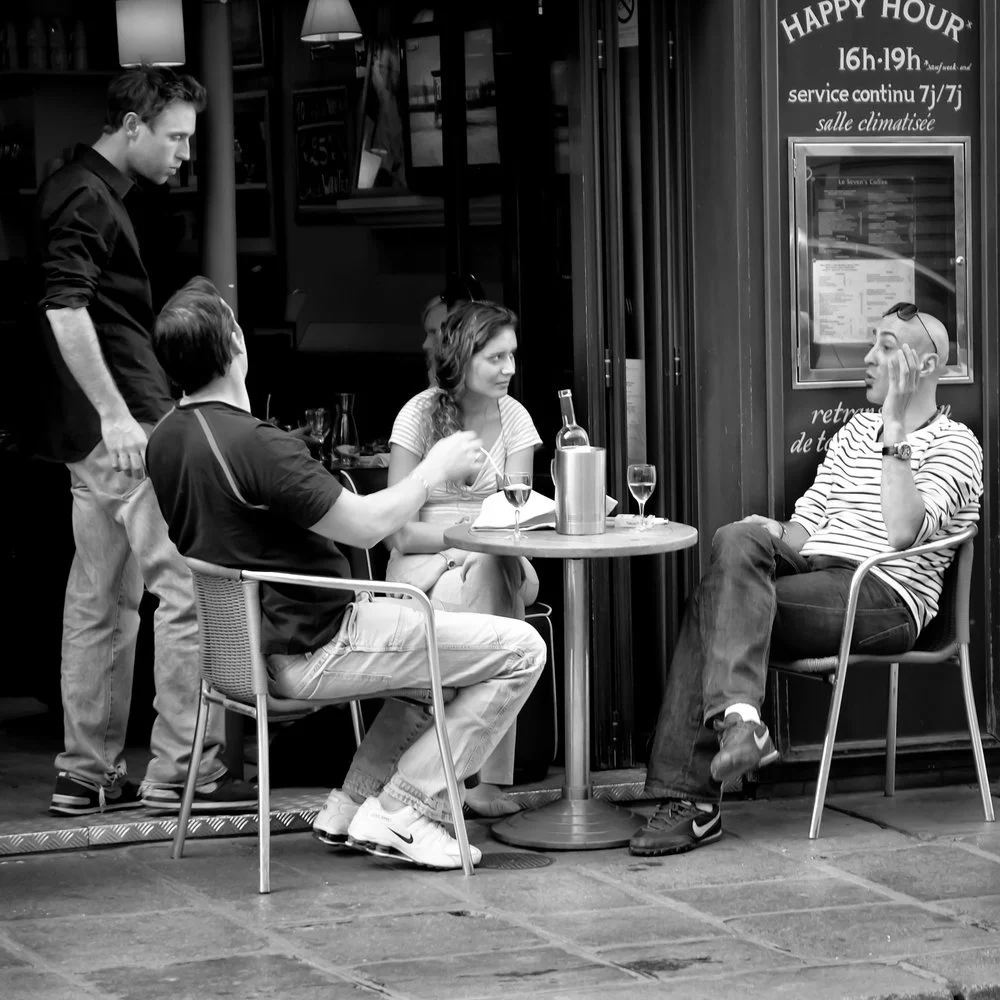
mbfitzmahan. Cafe, Paris, France.
Cartier-Bresson was a pioneer in this genre. He carried two Leicas around his neck and would wait for what he called the ‘decisive moment.’ He would choose a crumbling wall, a waiting puddle or a staircase as a backdrop and then wait for people to fill in the story. He wrote, “In photography, the smallest thing can be a great subject. The little, human detail can become a Leitmotiv.”
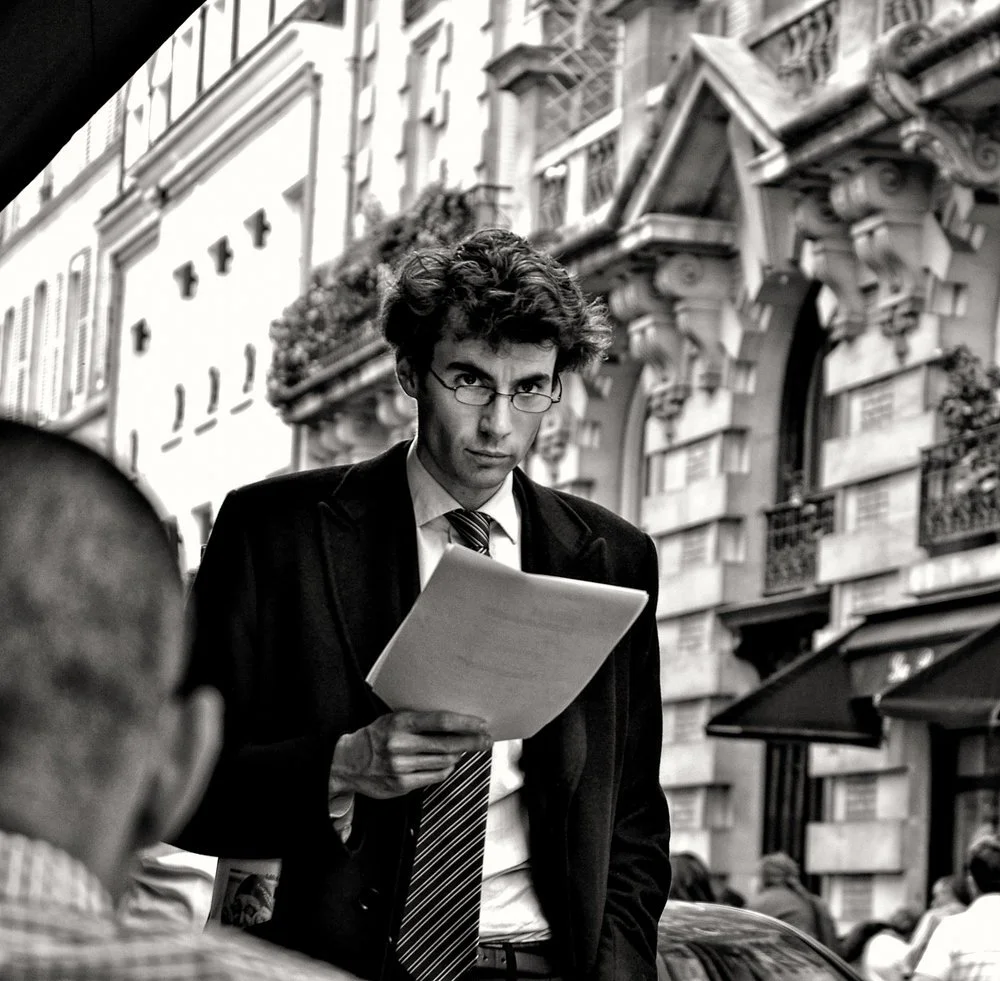
mbfitzmahan. Paris.
The motivation of the street photographer is to catch ordinary people doing what they do every day. Unlike portraiture or fashion photography, the subjects do not have time to pose and most photos capture them unaware. I like it when I capture some emotions such as anger, laughter, wonder, frustration, boredom, or surprise.
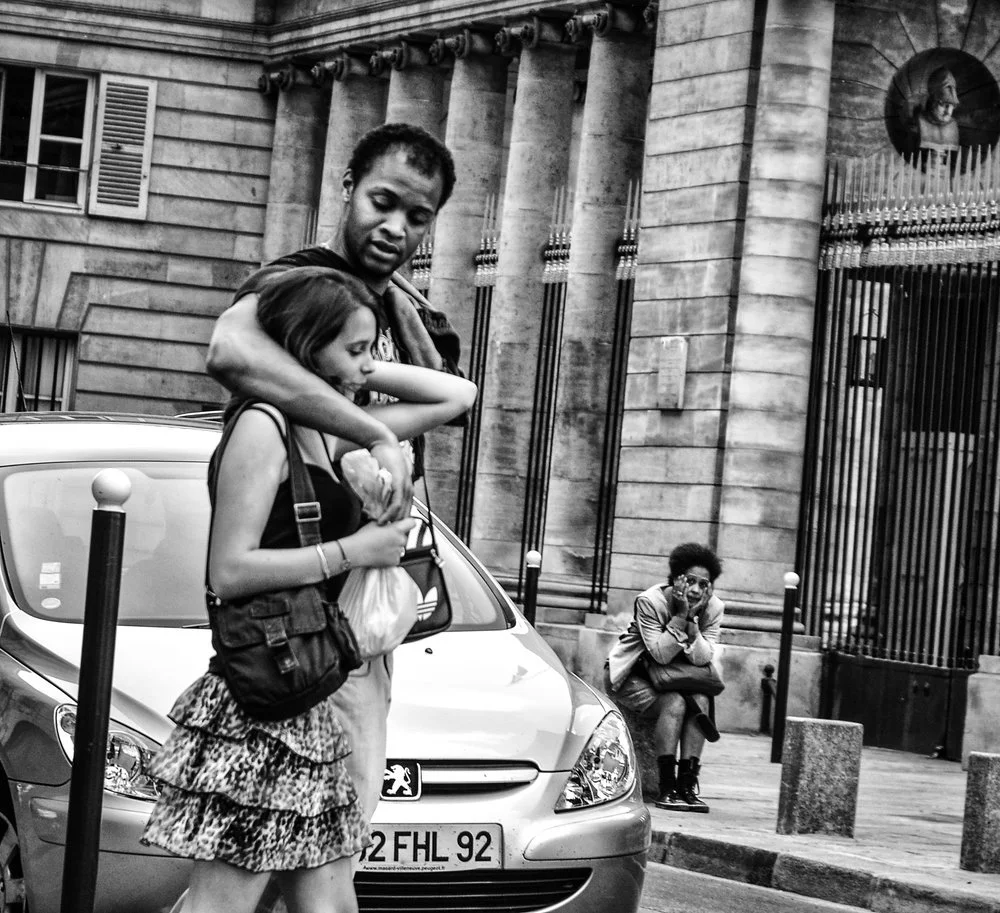
mbfitzmahan. Paris.
I live by an unbreakable code: I never make a photo that would embarrass. I feel a duty to the people in my photos and I remember their faces long after I make the photo. The people on the street may not look like movie stars, but they are beautiful in their natural surroundings.
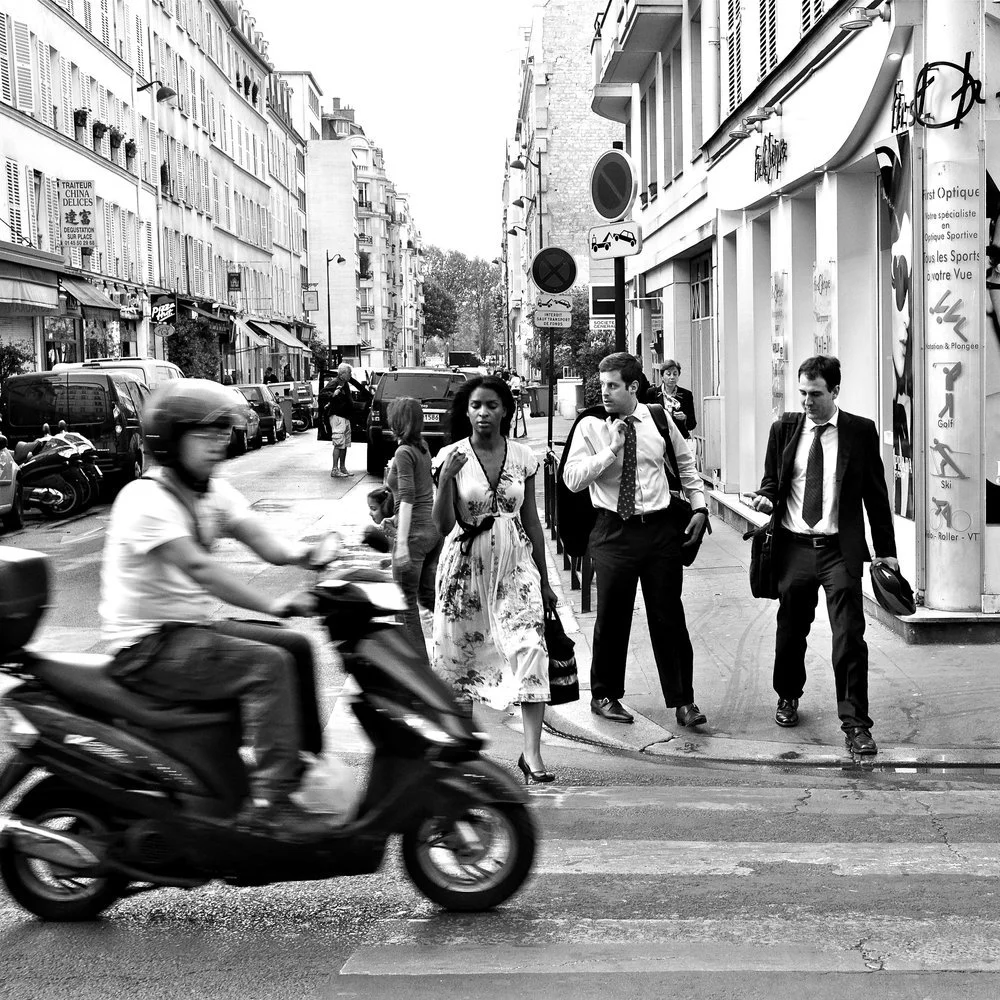
mbfitzmahan. Paris.
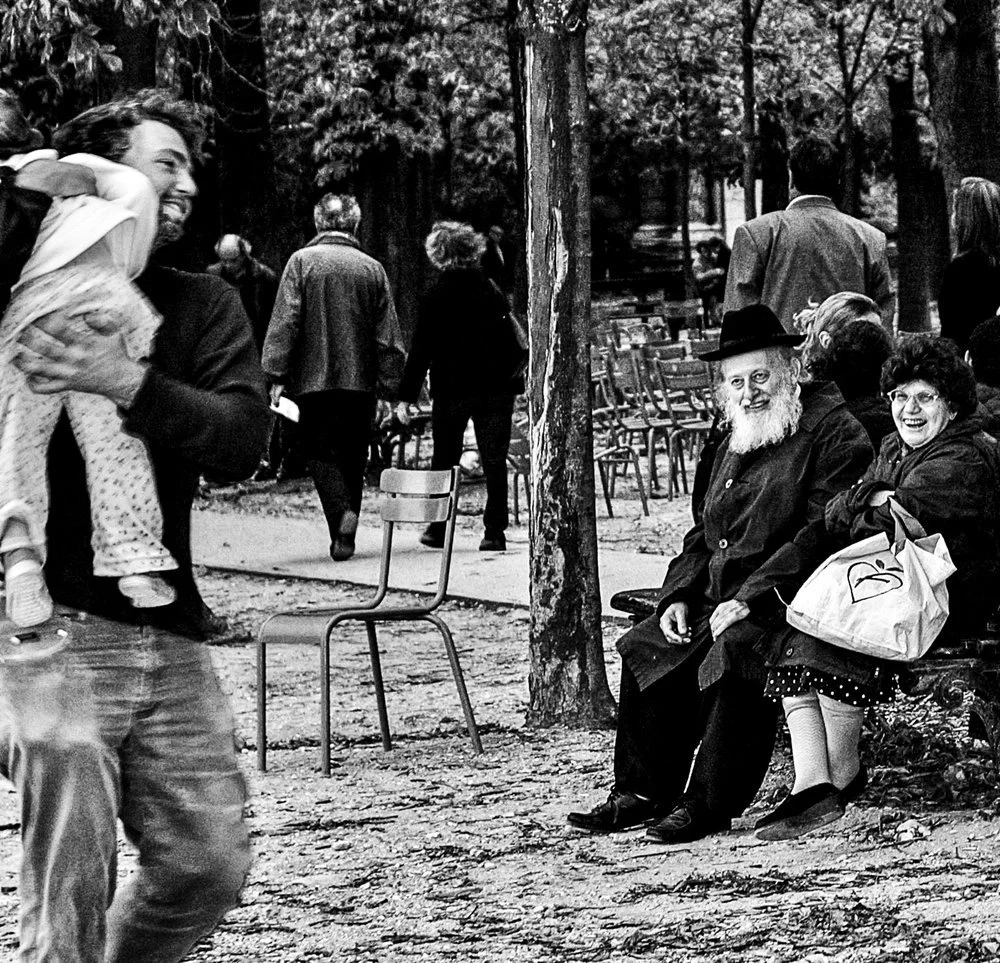
mbfitzmahan. Paris.
Photos and Words: Maureen Fitzmahan