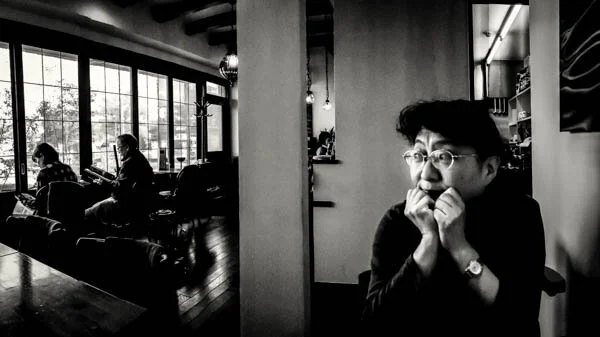
Japan and coffee
I could drink my coffee, read my book, pass the time of day without any special thought, all because I was part of the regular scenery. Here I had no ties to anyone. Fact is, I'd come to reclaim myself. Haruki Murakami, Dance Dance Dance
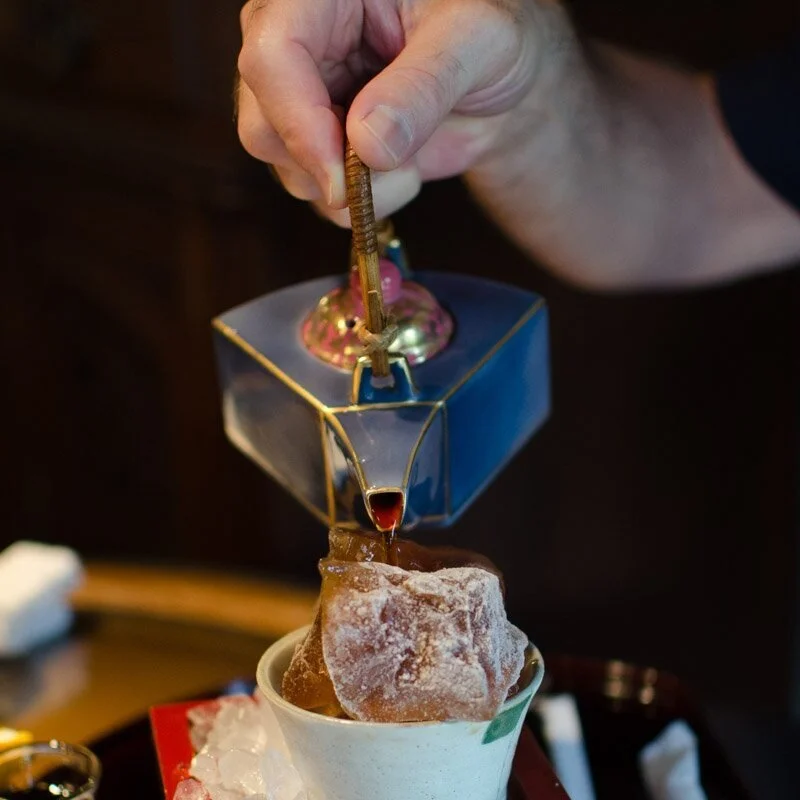
mbfitzmahan. Nagoya Coffee. Japan. 2014.
In the 60s, American newspapers talked about how shockingly expensive Tokyo was and used the cost of a steak dinner or a cup of coffee to prove the point. I hadn’t moved to Japan to eat steak dinners, but I loved her coffee and coffee shops. I must admit that when I first arrived I hoped to find door to door tea shops serving green tea at charming tiny tea houses. But, on the streets of Tokyo I found it challenging to find any tea rooms. Instead there were three or four coffee houses per city block. They served great coffee.
Entering the coffee shop, a proprietor of the café showed me to a table and gave me a menu of kōhi listing coffees from Brazil, Kenya, Ethiopia, Costa Rica, Java, and Guatemala. I have a strong memory of cradling my warm cup and reading Kawabata's Snow Country. "They emerged from the long border tunnel into the snow country. The night was carpeted with white." 国境の長いトンネルを抜けると雪国であった。夜の底が白くなった.
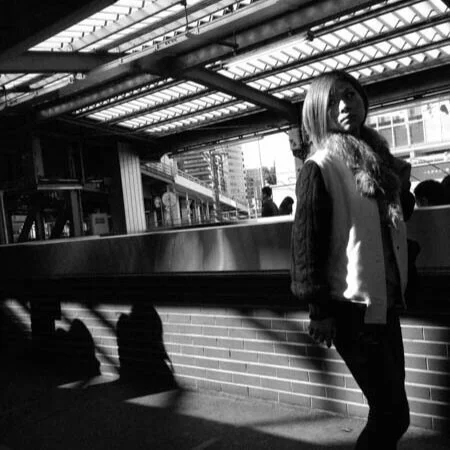
mbfitzmahan. Nagoya, Japan. 2012.
The coffee shop in Tokyo was a place for coffee, but also a landing place between my university and language classes, and the many English conversation classes I taught. I didn't go home between classes, spending the day traveling from subway stop to subway stop, and class to class.
I could choose a coffee shop for its theme or its kind of music. In the Ginza I found a French style shop, dressed up in pink and white frills. I listened to French chanson and imagined I was in a romantic cafe on the Champs-Élysées. Jazz coffee shops were common. Some cafes housed small libraries or fine art. Some of these shops were sophisticated, others were ordinary except for their good coffee.
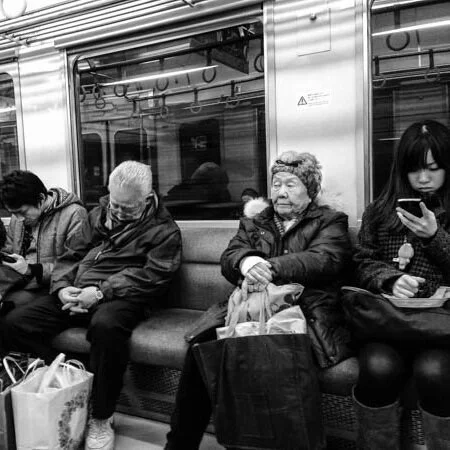
mbfitzmahan. Nagoya Train. 2013.
Coffee is a Japanese thing. It was brought to Japan by the Dutch in the 16th century, before American colonists protested tea and coffee taxes at the Boston Tea Party. The coffee houses in the 60s were similar in many ways to today's American gourmet coffee shops. Not like the pervasive Starbucks, we know today, but similar to our local coffee shops - General Porpoise in Seattle, Devoción in Brooklyn, or Spella Café in Portland. Still, Tokyo cafes were different. Better coffee. (Or, is that a memory of a youthful day?) Better service. And, of course, no computers. There was little noise other than the sound of jazz. Sometimes a café was just quiet. Quiet. A welcome and rare commodity in busy Tokyo.
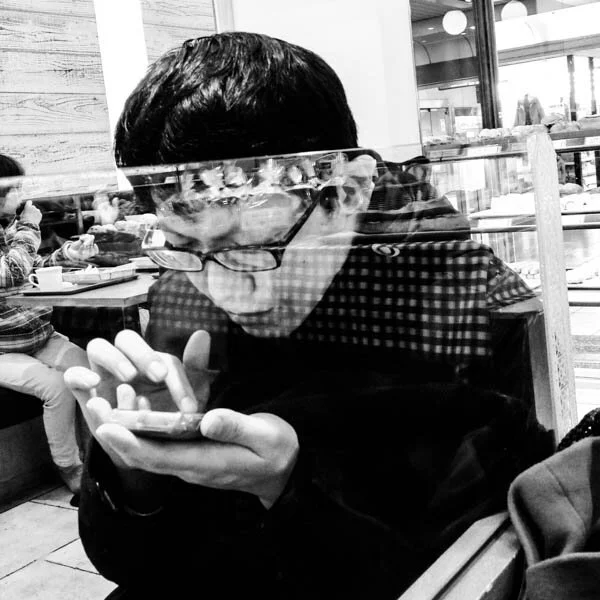
mbfitzmahan. Nagoya, Japan. 2014.
If you are a fan of Haruki Murakami, you may be familiar with the coffee shops of the 60s and 70s. Murakami owned a coffee shop he called Peter Cat. “I belonged to Tokyo and its coffee shops. But I had never felt this loneliness there. I could drink my coffee, read my book, pass the time of day without any special thought, all because I was part of the regular scenery. ” Haruki Murakami – Dance Dance Dance
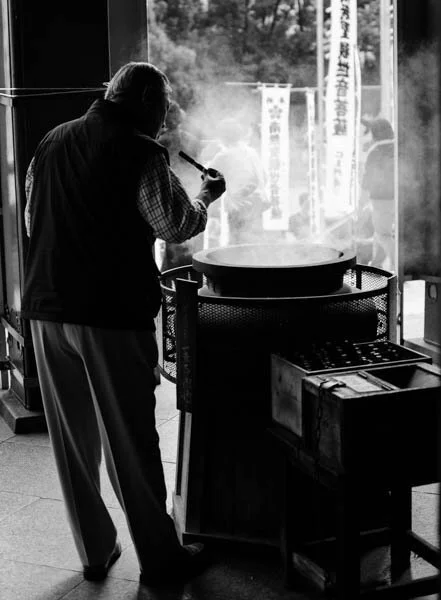
mbfitzmahan. Kyoto, Japan. 2014.
Words and Photographs by Maureen Fitzmahan - Union Vale, New York. Photos of Japan, 2012-14.
Maureen is a co-founder of The Art Junket (2015-2022).