Another Cup of Coffee


Japan and coffee

I could drink my coffee, read my book, pass the time of day without any special thought, all because I was part of the regular scenery. Here I had no ties to anyone. Fact is, I'd come to reclaim myself. Haruki Murakami, Dance Dance Dance
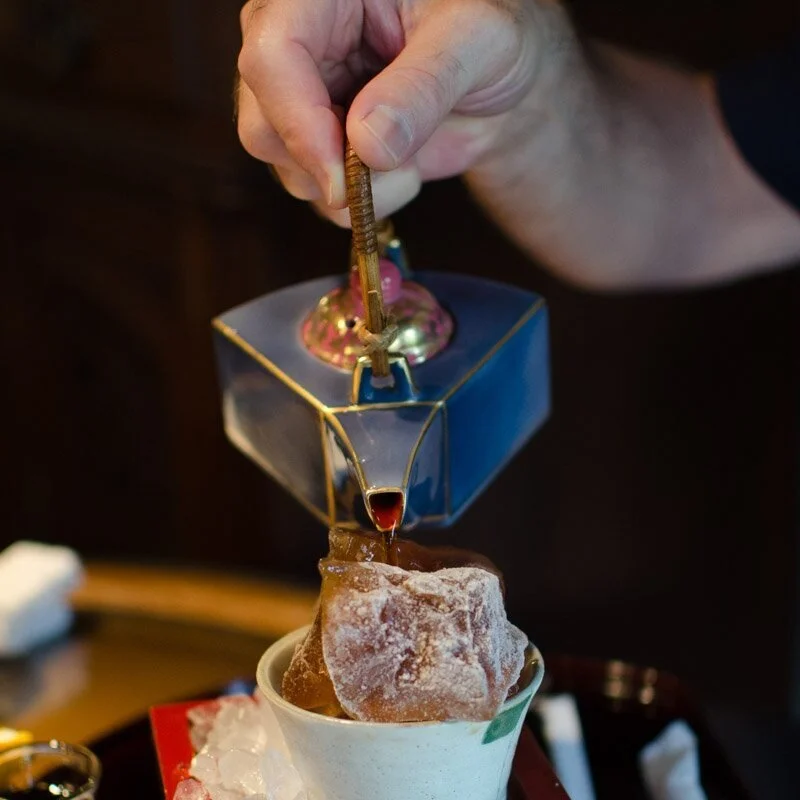
mbfitzmahan. Nagoya Coffee. Japan. 2014.

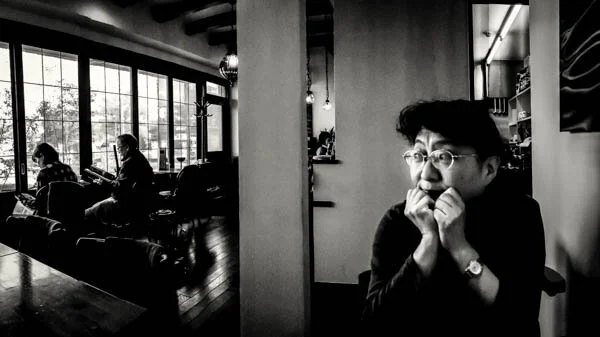
In the 60s, American newspapers talked about how shockingly expensive Tokyo was and used the cost of a steak dinner or a cup of coffee to prove the point.  I hadn’t moved to Japan to eat steak dinners, but I loved her coffee and coffee shops. I must admit that when I first arrived I hoped to find door to door tea shops serving green tea at charming tiny tea houses. But, on the streets of Tokyo I found it challenging to find any tea rooms. Instead there were three or four coffee houses per city block. They served great coffee.  

Entering the coffee shop, a proprietor of the café showed me to a table and gave me a menu of kōhi listing coffees from Brazil, Kenya, Ethiopia, Costa Rica, Java, and Guatemala. I have a strong memory of cradling my warm cup and reading Kawabata's Snow Country.  "They emerged from the long border tunnel into the snow country. The night was carpeted with white."  国境の長いトンネルを抜けると雪国であった。夜の底が白くなった.
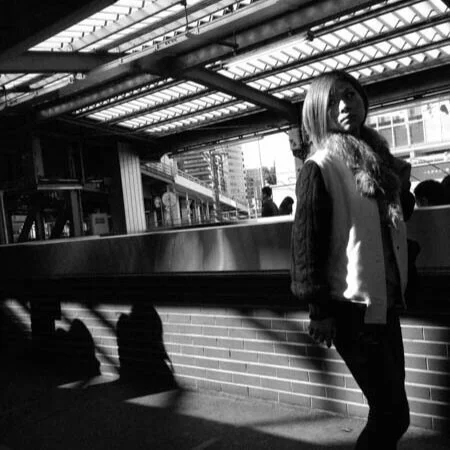
mbfitzmahan. Nagoya, Japan. 2012.

The coffee shop in Tokyo was a place for coffee, but also a landing place between my university and language classes, and the many English conversation classes I taught.  I didn't go home between classes, spending the day traveling from subway stop to subway stop, and class to class.

I could choose a coffee shop for its theme or its kind of music.  In the Ginza I found a French style shop, dressed up in pink and white frills.  I listened to French chanson and imagined I was in a romantic cafe on the Champs-Élysées.  Jazz coffee shops were common.  Some cafes housed small libraries or fine art.  Some of these shops were sophisticated, others were ordinary except for their good coffee.
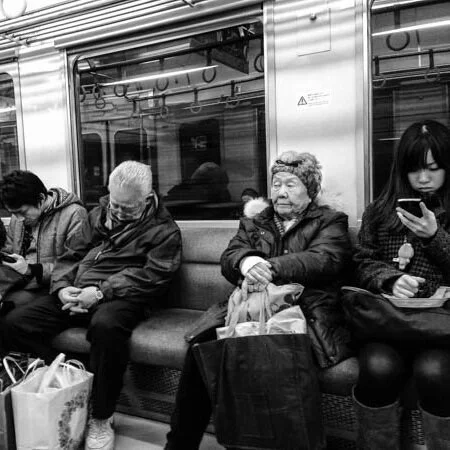
mbfitzmahan. Nagoya Train. 2013.

Coffee is a Japanese thing.  It was brought to Japan by the Dutch in the 16th century, before American colonists protested tea and coffee taxes at the Boston Tea Party. The coffee houses in the 60s were similar in many ways to today's American gourmet coffee shops.  Not like the pervasive Starbucks, we know today, but similar to our local coffee shops - General Porpoise in Seattle, Devoción in Brooklyn, or Spella Café in Portland.  Still, Tokyo cafes were different.  Better coffee.  (Or, is that a memory of a youthful day?)  Better service. And, of course, no computers.  There was little noise other than the sound of jazz.  Sometimes a café was just quiet.  Quiet.  A welcome and rare commodity in busy Tokyo.
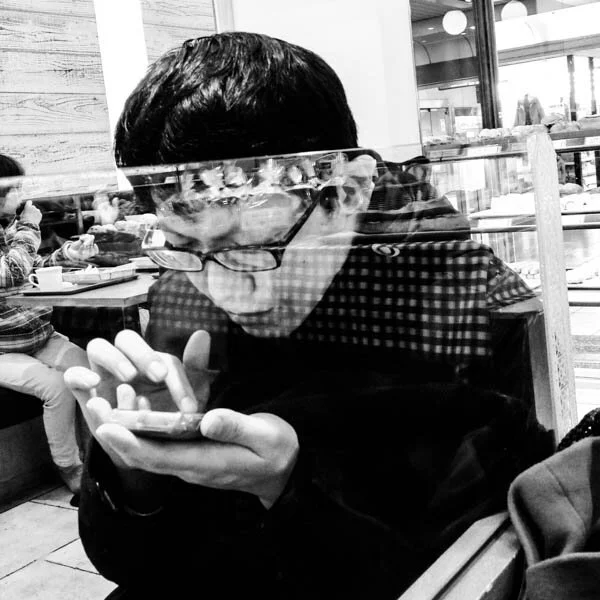
mbfitzmahan. Nagoya, Japan. 2014.

If you are a fan of Haruki Murakami, you may be familiar with the coffee shops of the 60s and 70s. Murakami owned a coffee shop he called Peter Cat. “I belonged to Tokyo and its coffee shops. But I had never felt this loneliness there. I could drink my coffee, read my book, pass the time of day without any special thought, all because I was part of the regular scenery. ” Haruki Murakami – Dance Dance Dance
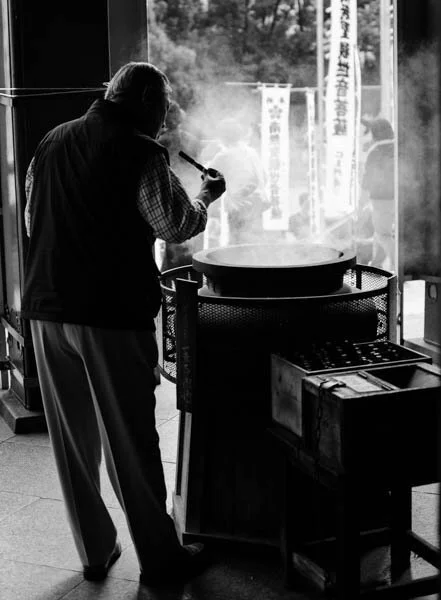
mbfitzmahan. Kyoto, Japan. 2014.

Words and Photographs by Maureen Fitzmahan - Union Vale, New York. Photos of Japan, 2012-14.
Maureen is a co-founder of The Art Junket (2015-2022).
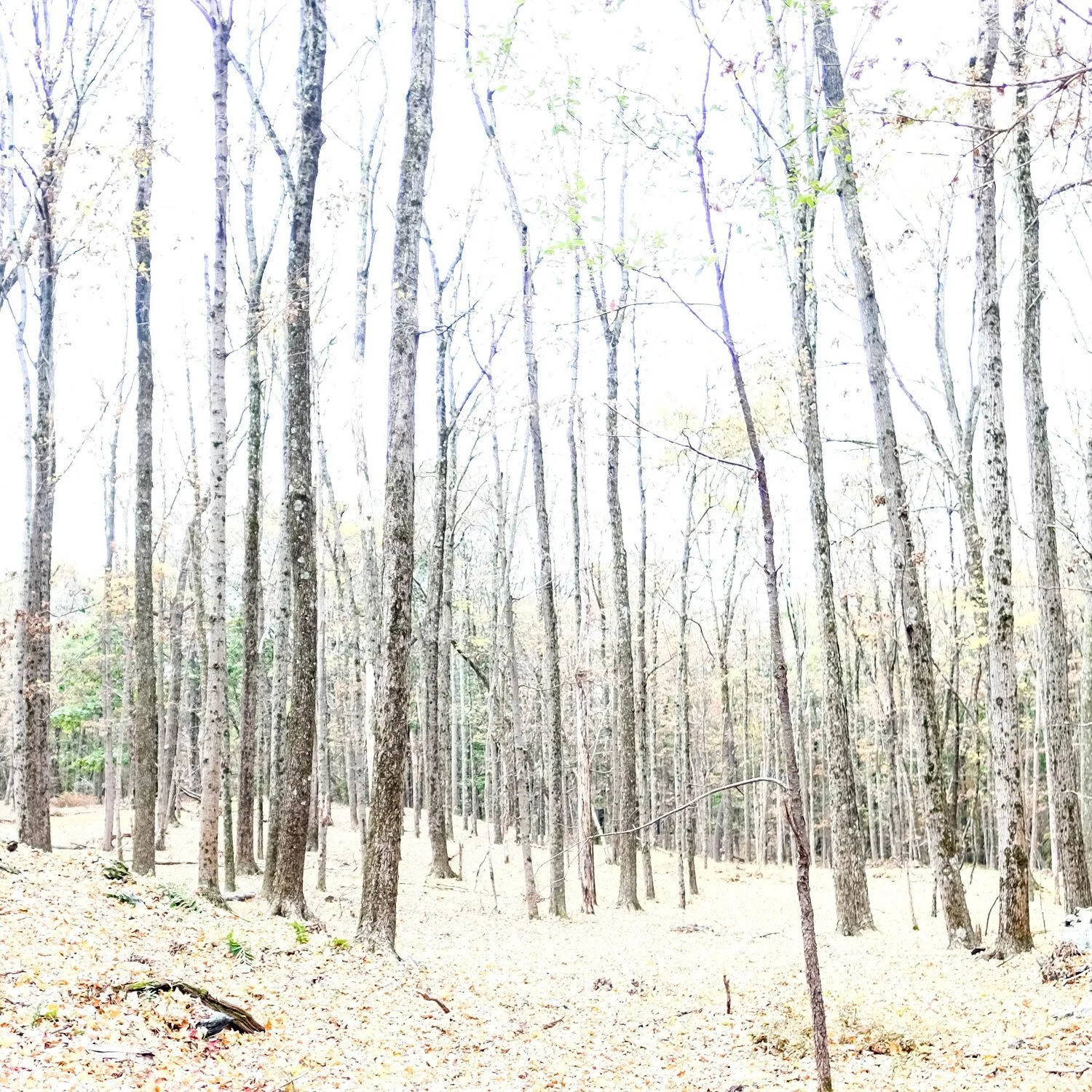
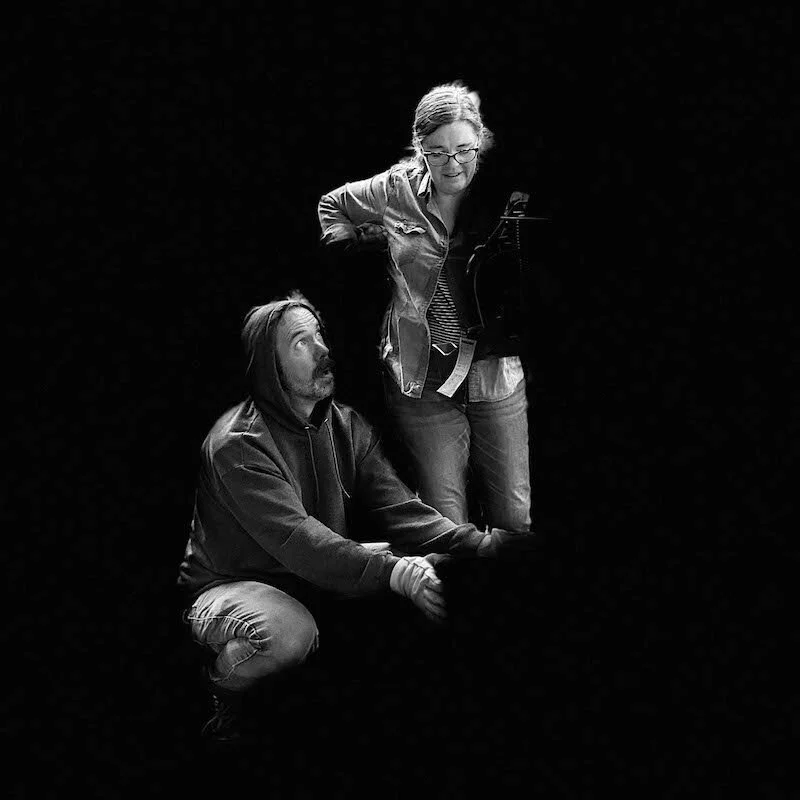
Becoming: 2021


My photographs are intimate.

The New Year
feelings of loneliness
the end of autumn.

Matsuo Basho

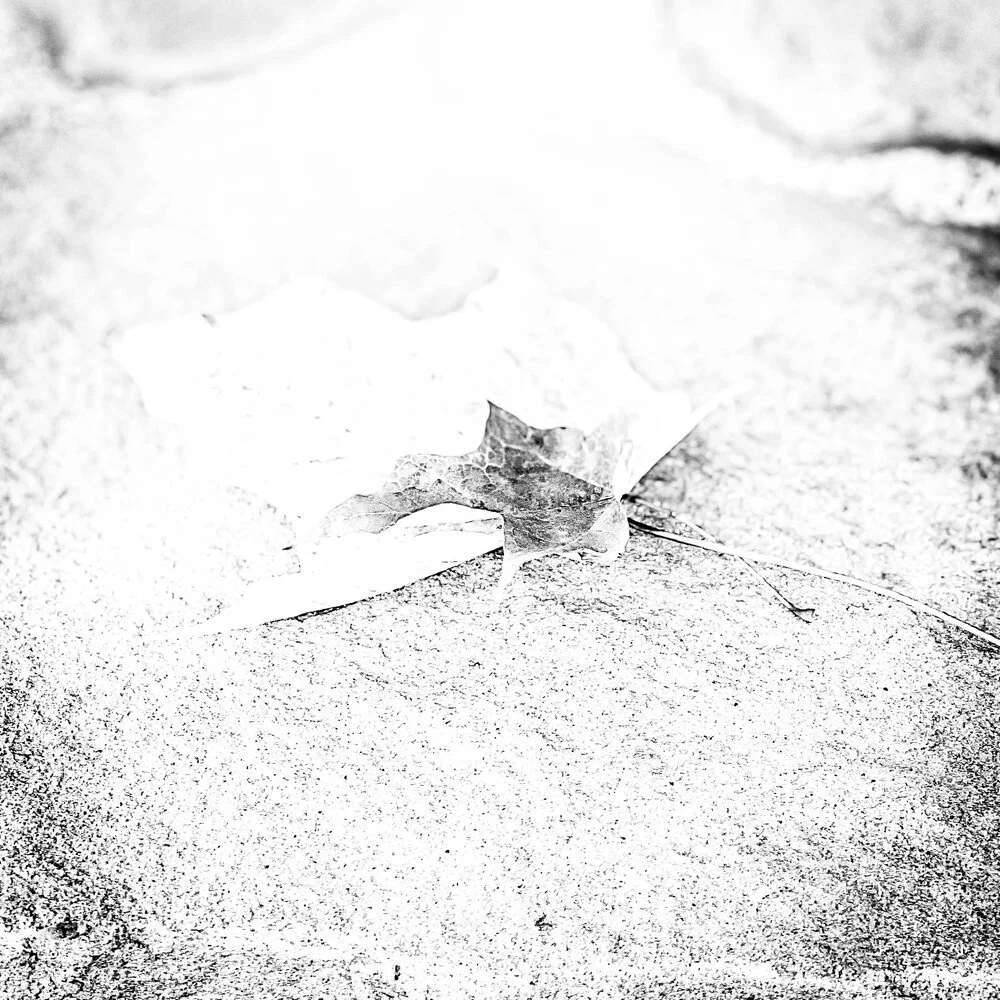
mbfitzmahan. Autumn in the Hudson Valley. 2020.

枯れ枝に烏の止まりけり秋の暮 芭蕉

Autumn evening
A crow perched
On a withered branch
Matsuo Basho

mbfitzmahan. Pawling, New York. 2020

My photographs are intimate. They are portraits of surprise, pain, joy - moments of life. I generally take photos of people, but even my landscape photos are portraits of a delicate life.

Matsuo Basho, a 17th century haiku poet, instructed his students on how to write haiku,

In composing haiku there are two ways: “becoming” and “making.”

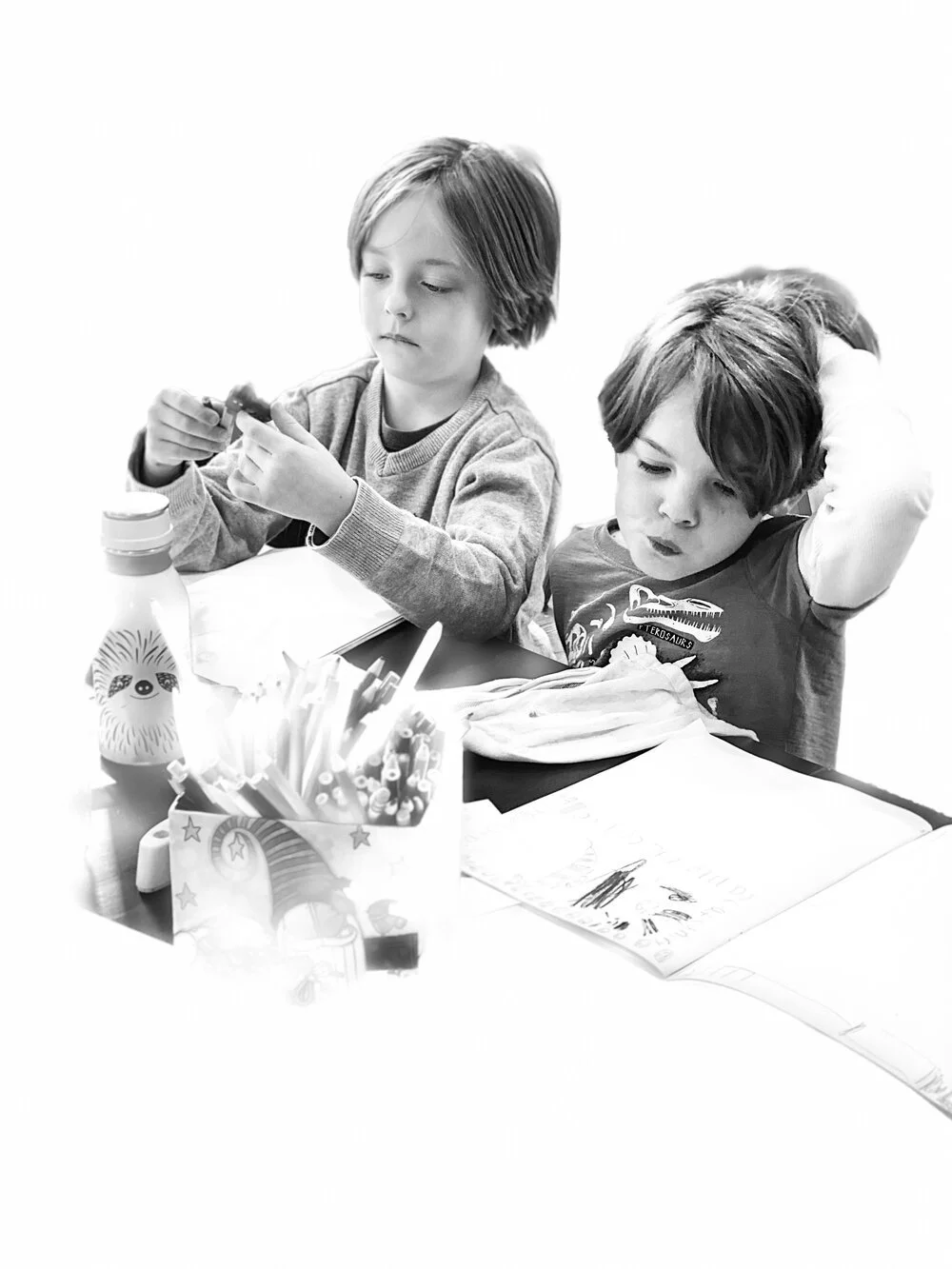
mbfitzmahan. Homeschool. New York. 2020

Basho made a distinction between these two ways of creating art, and supported “becoming” and viewed “making” as inferior, inauthentic.

Basho taught,

For a haiku poet, to learn from nature should mean to submerge himself, to perceive the delicate life and feel its feelings, out of which a poem forms itself.

mbfitzmahan. Erin in Anshin, the woods. 2021.

Makoto Ueda, a scholar on Basho, wrote that Basho believed that,

Beauty in nature is a manifestation of the supreme creative force which flows through all things in the universe, animate and inanimate.

The artist can depict this force “when the object enters his mind and dyes it in its own color, whereupon a poem emerges by itself.

mbfitzmahan. Hudson Valley. 2020.

Makoto Ueda, “Basho and the Poetics of “Haiku.” The Journal of Aesthetics and Art Criticism, Vol. 21, No. 4 (Smuuer, 1963), pp. 423-431. The full article is accessible at JSTOR at https://www.jstor.org/stable/427098?seq=1.

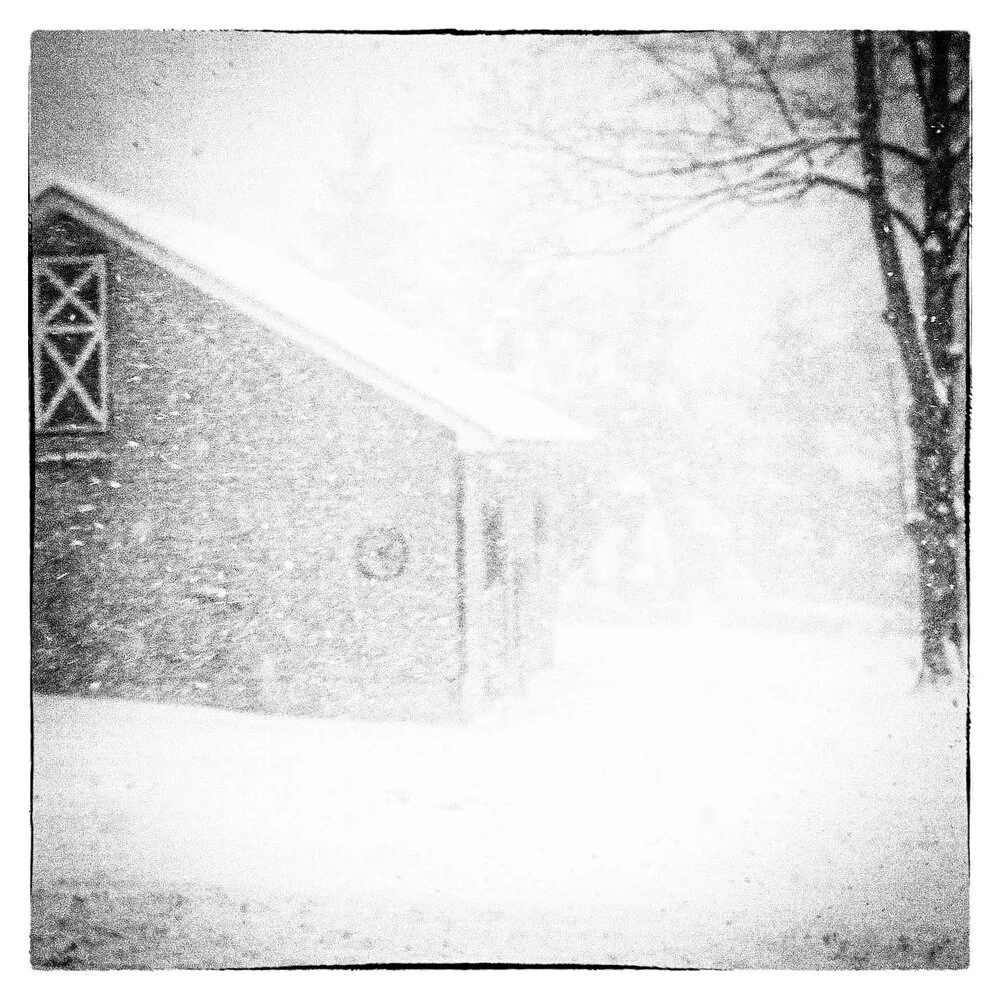
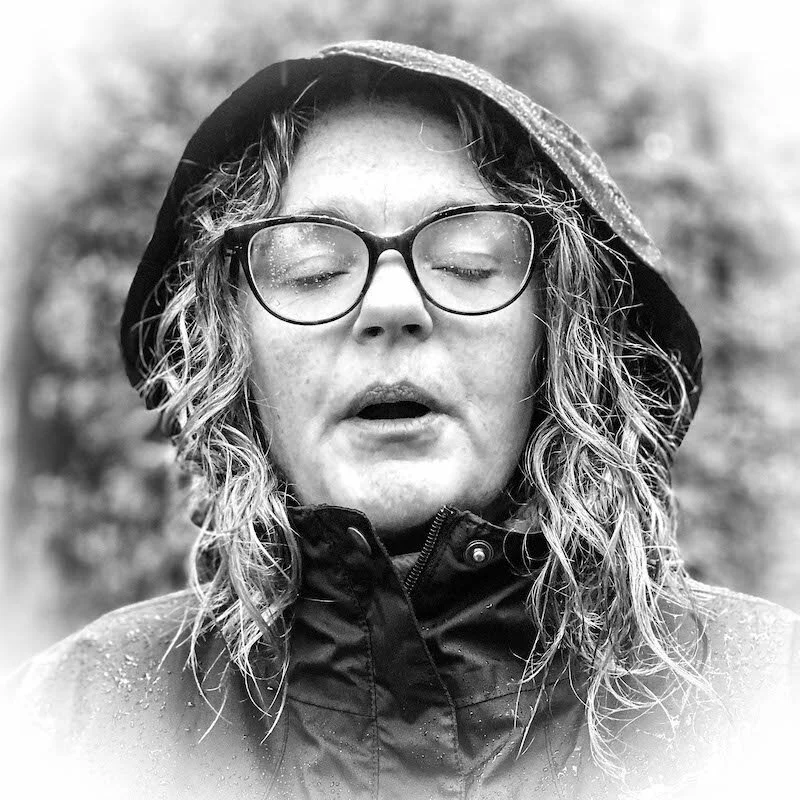
The photographs are of 2020 in the Hudson Valley, New York.
The words and photographs are by Maureen Fitzmahan.
Maureen Fitzmahan, living in the Hudson Valley, is a founding member of the Art Junket (2015-2022).
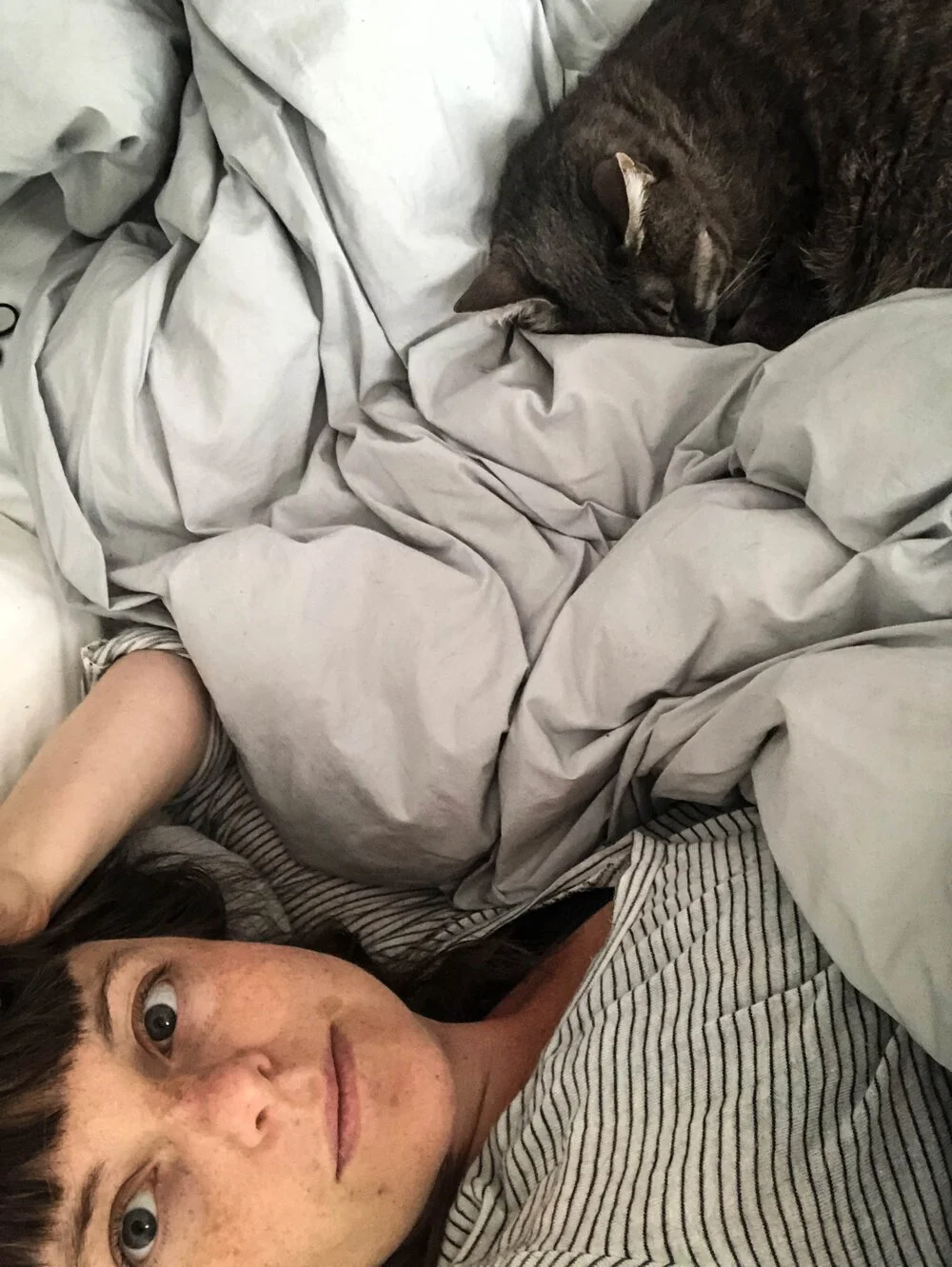
Kaitlin Strange: Lessons from Tuna the Cat - Surviving a Pandemic


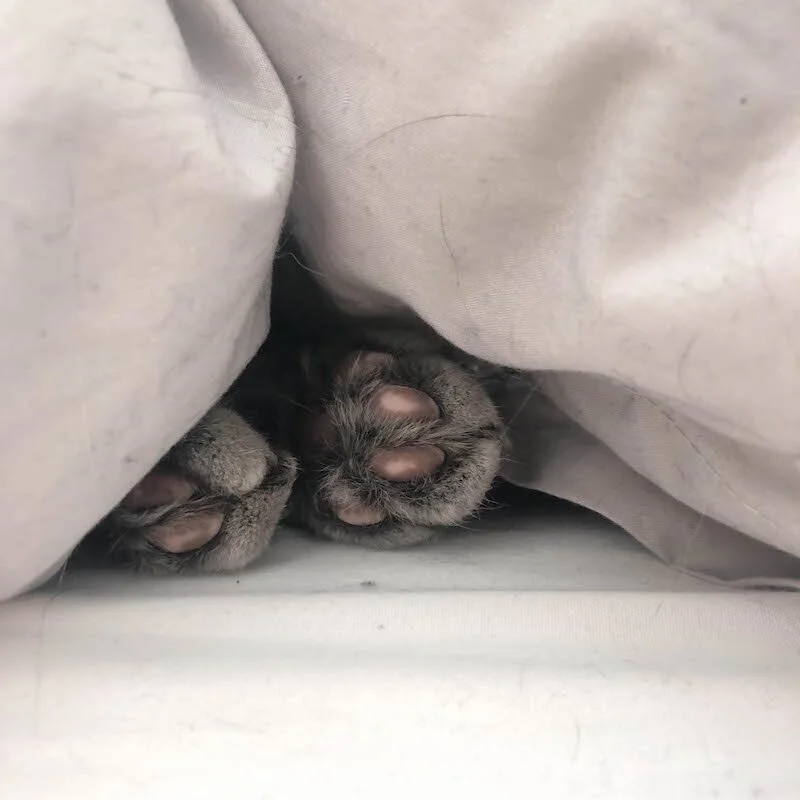
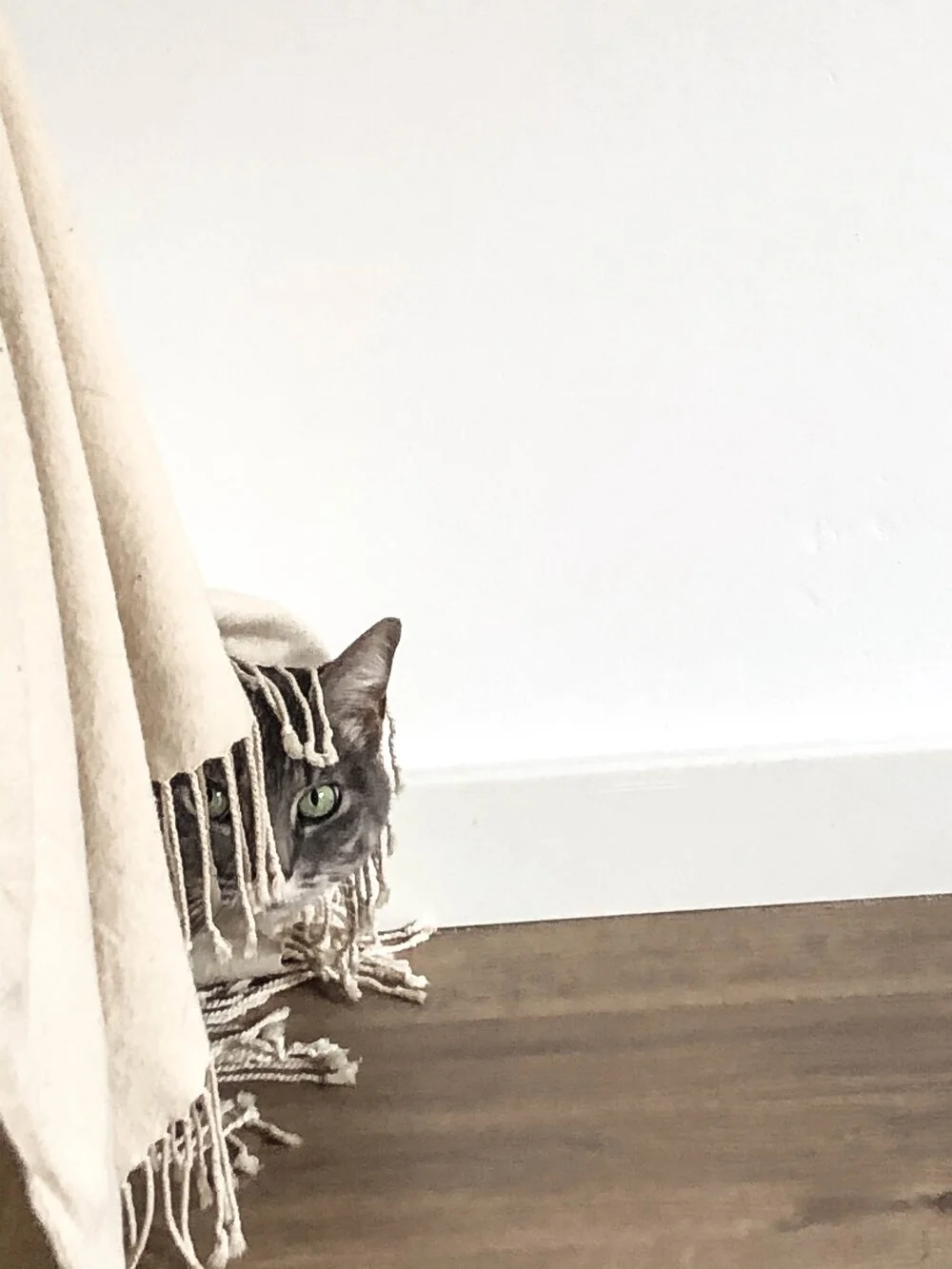
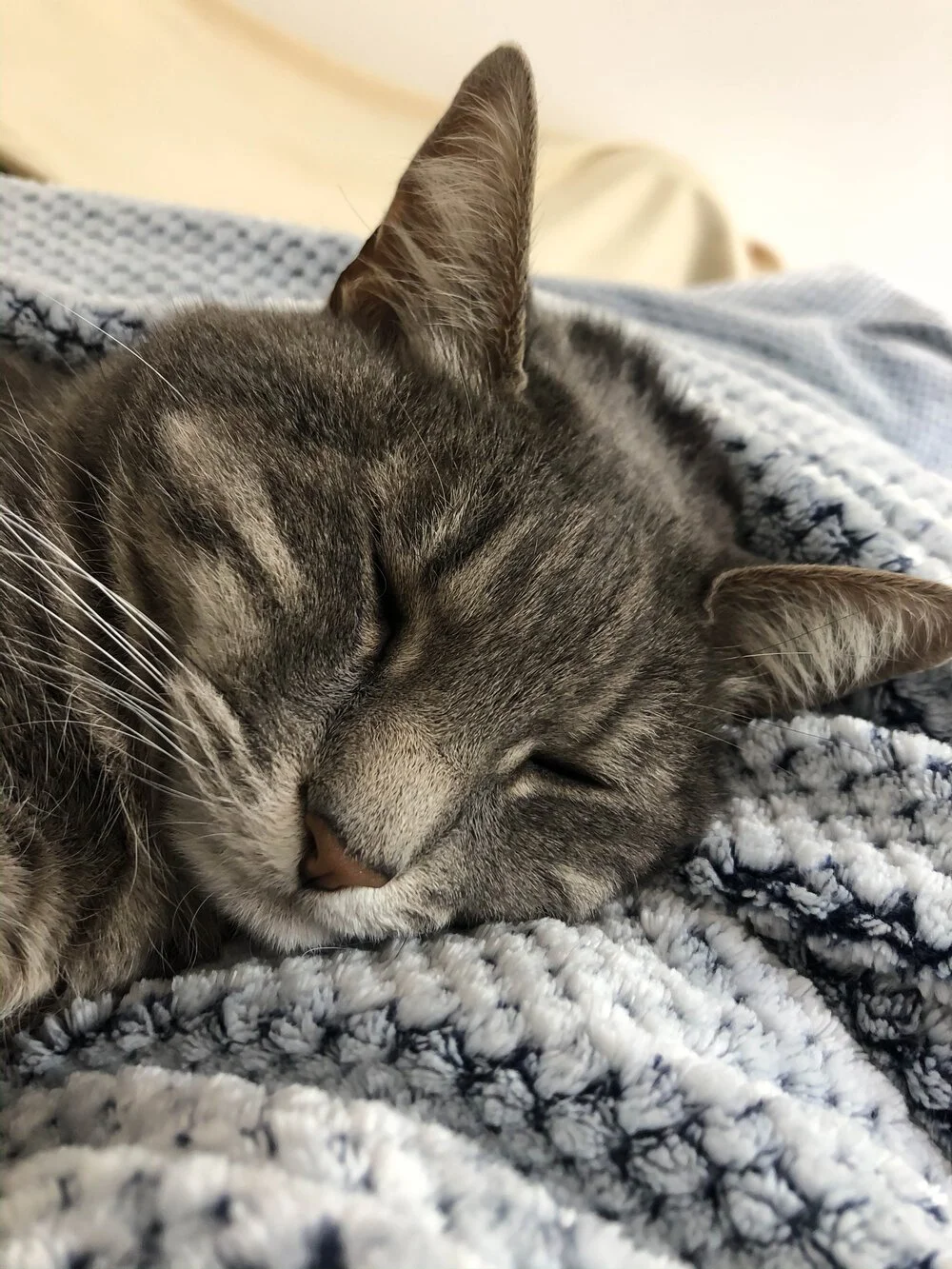
Tuna, the cat

In ancient times cats were worshipped as gods. They have not forgotten this. Terry Pratchett

Before a Cat will condescend
To treat you as a trusted friend,
Some little token of esteem
Is needed, like a dish of cream.
T.S. Eliot

Lessons from Tuna the Cat: Surviving a Pandemic  

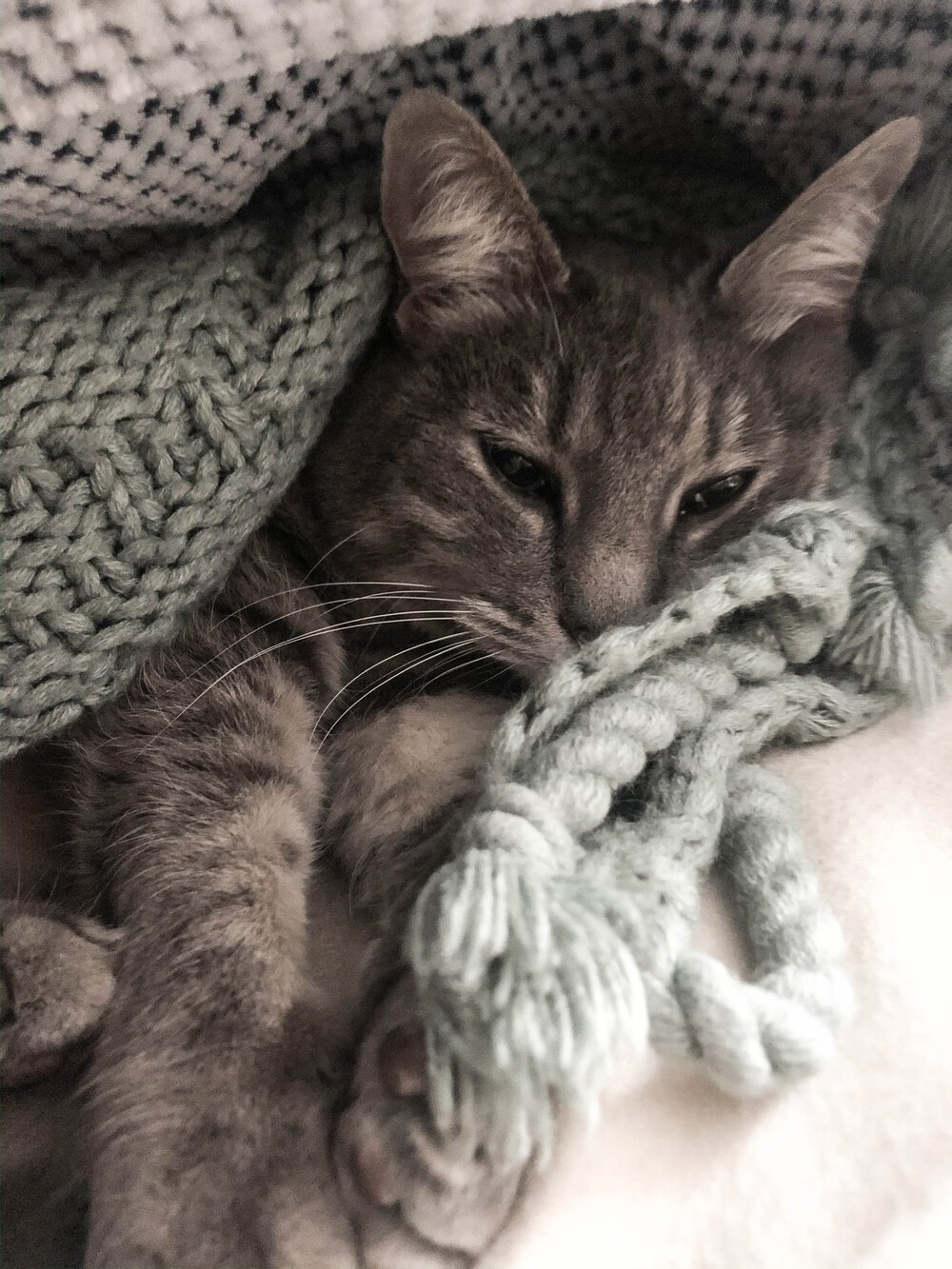
45 days of quarantine takes its toll. Boredom, anxiety, frustration, fear are inevitable. Where do we turn to find a sense of contentment or, dare I say, joy? I turn to the smaller and simpler allies around me. Yes, I’m talking about my cat. Her name is Tuna. The isolation may have influenced my choice of her as a model for self-care. But when you spend this much time with another creature you tend to pick up on their habits. And Tuna is a pro at managing stress and fighting boredom. So here you have it, five lessons on quarantine from Tuna the cat.

Prioritize Sleep

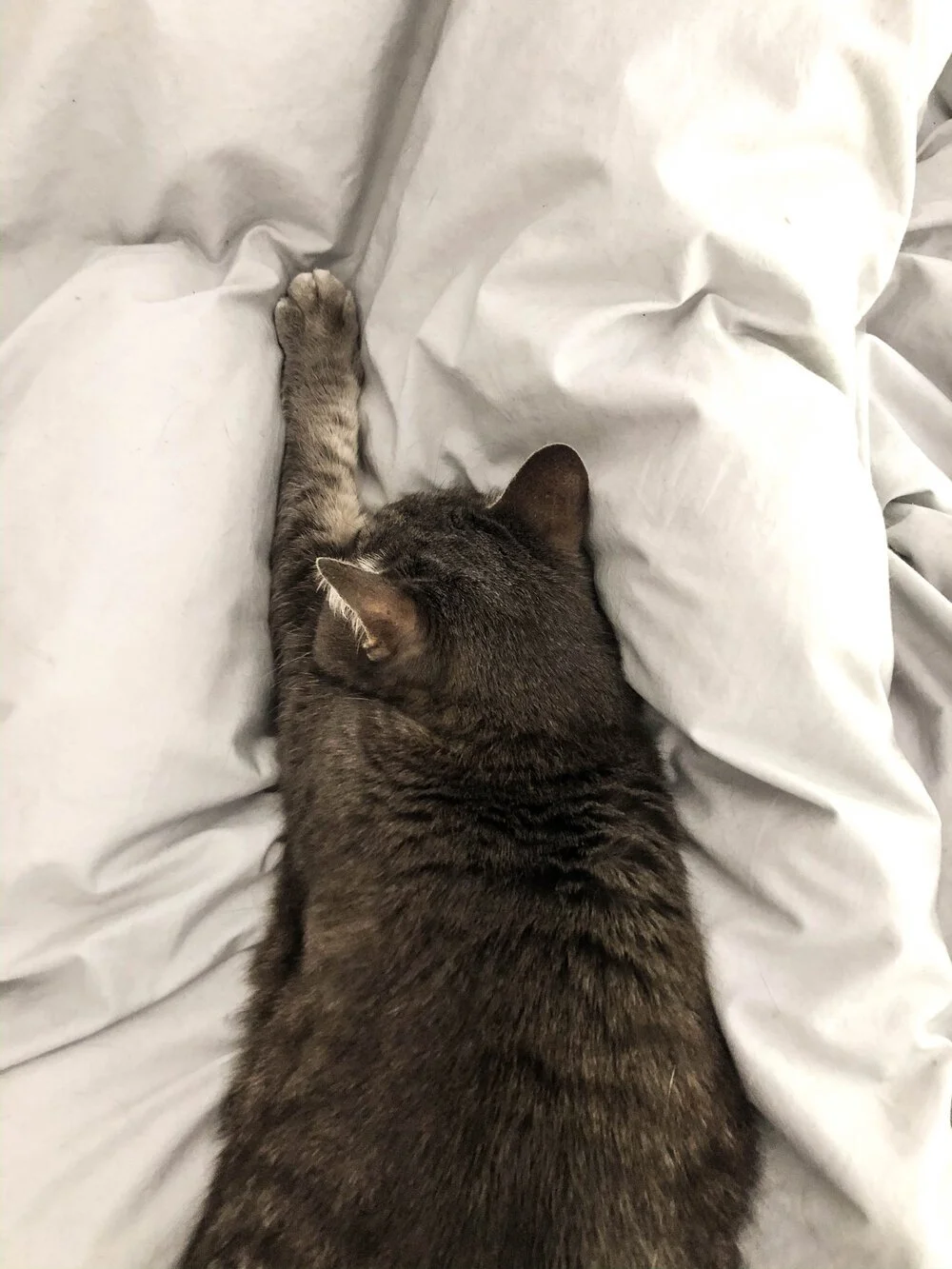
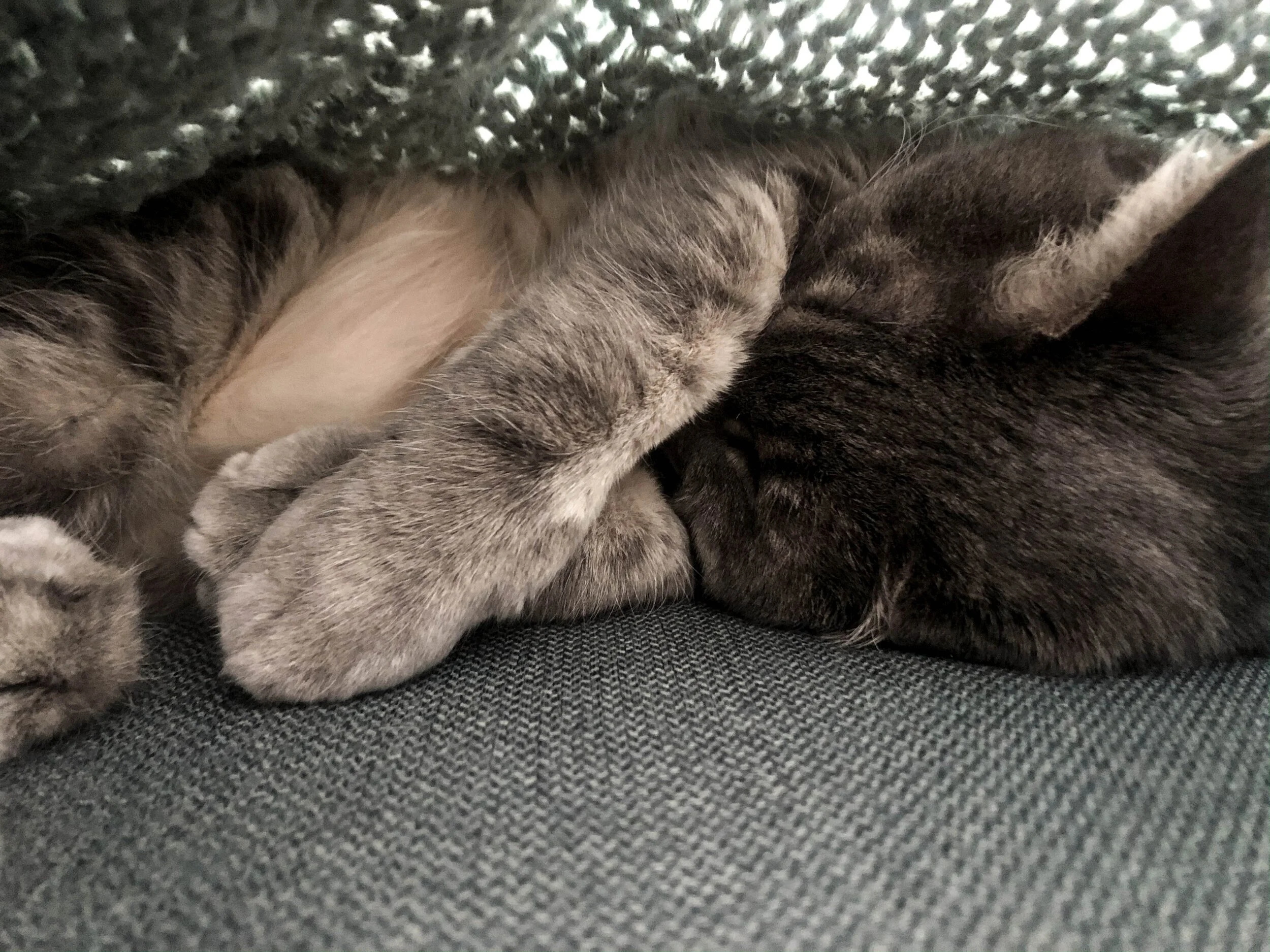
Tuna sleeps most of the day. She knows the value of a good nap. Her sleep is at times interrupted by her customary attacking, pouncing, and chasing. In the end, she knows when to take a break. And, my friends, we all need breaks. 

These are hard times. No matter what this pandemic is serving you, whether you are supporting someone who is sick or sick yourself, taking care of children, trying to work, or just getting through the day. These are trying times. Stress comes from inside our homes as well as outside. With the internet, cellphones, and social media, stress and anxiety is not hard to come by. To cope, our brains and bodies need to rest and reset. Tired in the middle of the afternoon? Great. Take a nap. Emotionally exhausted after an epic news session. Fantastic. Take a nap. Can’t find the motivation to do anything? Feel yourself slipping into a pit of sadness? No worries. Take a nap. 

Do as Tuna does, get your sleep on. Life, even during a pandemic, is a lot more manageable if you listen to your body and sleep when you need to. 

Prioritize food 

What day is it? What time is it? Where am I? These are now daily questions. For a cat like Tuna, these questions are irrelevant and futile social constructs. Food, on the other hand, is the cornerstone of a happy daily routine. She eagerly awaits the most significant events of the day: breakfast and dinner. She knows when, where, and how she will be fed. And afterwards she is carefree and moves on with her day. 

Food can be a source of comfort, health, and sanity. In these simple times, food is the foundation of routine. You need to eat, so do it up. Plan out your meals and take time to prepare Even better, FaceTime a friend while you prep and cook. Savor your food. Enjoy the flavors. And don’t forget to indulge. We can’t spend hours preparing a culinary experience everyday. Sometimes you just need to binge watch trashy TV while eating boxed mac and cheese with hot sauce. 

Express your feelings 

Tuna is not afraid to let you know how she is feeling. Usually in the form of meowing in your face or jumping on your lap. She does not shy away from telling you she needs you, when she needs you. 

It’s hard to ask for help. Vulnerability and sensitivity does not always feel safe or comfortable. But your community is here for you. Trust that if you ask, they will respond. A phone call or a quick message will do the trick. People will be eager to help and support. In fact, they will be grateful. Because your vulnerability allows them to be vulnerable. So go ahead, let people know how you are feeling and what you need. 

Enjoy the simple things

Tuna will turn anything into a toy: a bottle cap, a piece of string, a price tag, a piece of lint. She isn’t picky. She welcomes the entertainment. 

When stuck at home it can be easy to find something to do. The long list of to-do’s and half-started projects are endless. But now is also a time to slow down, get grounded, and find joy in the simple things. So do as Tuna does, spend a few hours a day doing what makes you happy and curious. Get off the computer and the phone. Play with something physical - paint, food, wood, dirt, or a ball. Tuna will spend a solid 20 minutes playing with her own tail. Your to-do list and all the ‘shoulds’ of your life will be there when you’re done. 

Seek out the sun

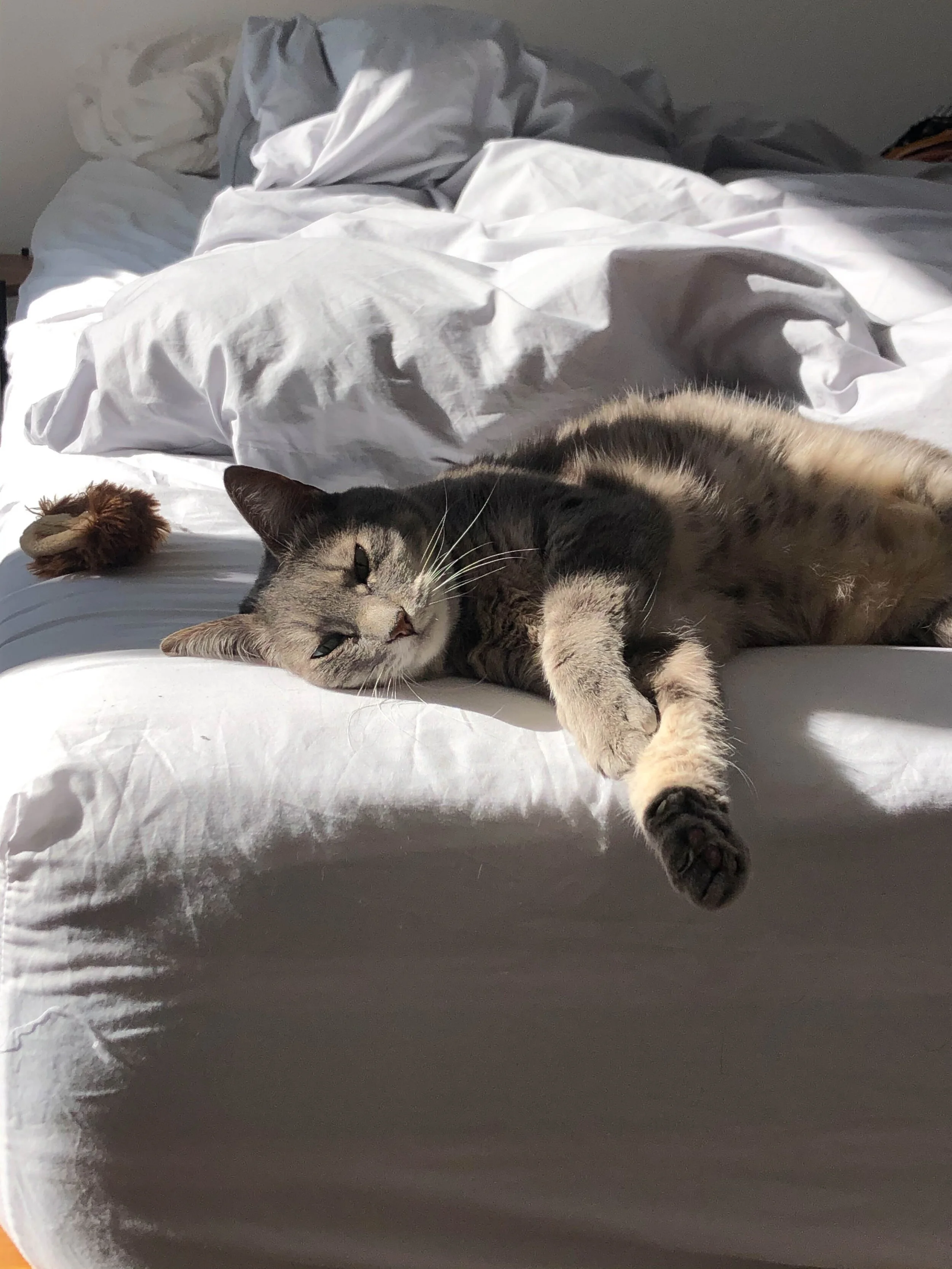
Tuna will find any ray of sunshine and park herself there for hours. This is usually paired with the aforementioned nap or staring out the window and plotting against the pigeons. She’ll stretch out, take up space, and take it all in. 

This lesson’s pretty simple, cost efficient, and good for your health. If the sun comes out, find a patch of sunshine and sit in it. Or walk in it. Or do a workout in it. Or nap in it. But get that Vitamin D. And it’s not just Tuna. Research has shown that an increase in Vitamin D helps boost your immune system and protect again COVID-19. So there you go. Find that sun.

WORDS and PHOTOS: Kaitlin Fitzmahan Strange
Katie Strange (Barcelona, Spain) is a founding member of the Art Junket West since 2015.

Tuna and Katie. Selfie. Barcelona, April 2020