• Moments
  • THE PHOTOGRAPHERS CAFÉ
  • Photographers of East Asia
  • The Art Junket
  • CONTACT
Menu

mbfitzmahan

Scholar and Photographer
  • Moments
  • THE PHOTOGRAPHERS CAFÉ
  • Photographers of East Asia
  • The Art Junket
  • CONTACT

The Art Junket

Writings from the Salons and in-between


Mural by Kaitlin fitzmahan strange

Art is not meant to change the world, but when you see people interacting, when you see an impact on their lives, then I guess in a smaller way, this is changing the world. So, that's what I believe in. That's why I'm into creating more and more interactions.

French artist - JR

Mural for a Community

April 8, 2022

The Alta Visa School Mural, San Francisco. Designer and muralist: Kaitlin Fitzmahan Strange. Art Junket Volunteers: Yun Suh, Annelise Dohrer, Zoey Olbum.
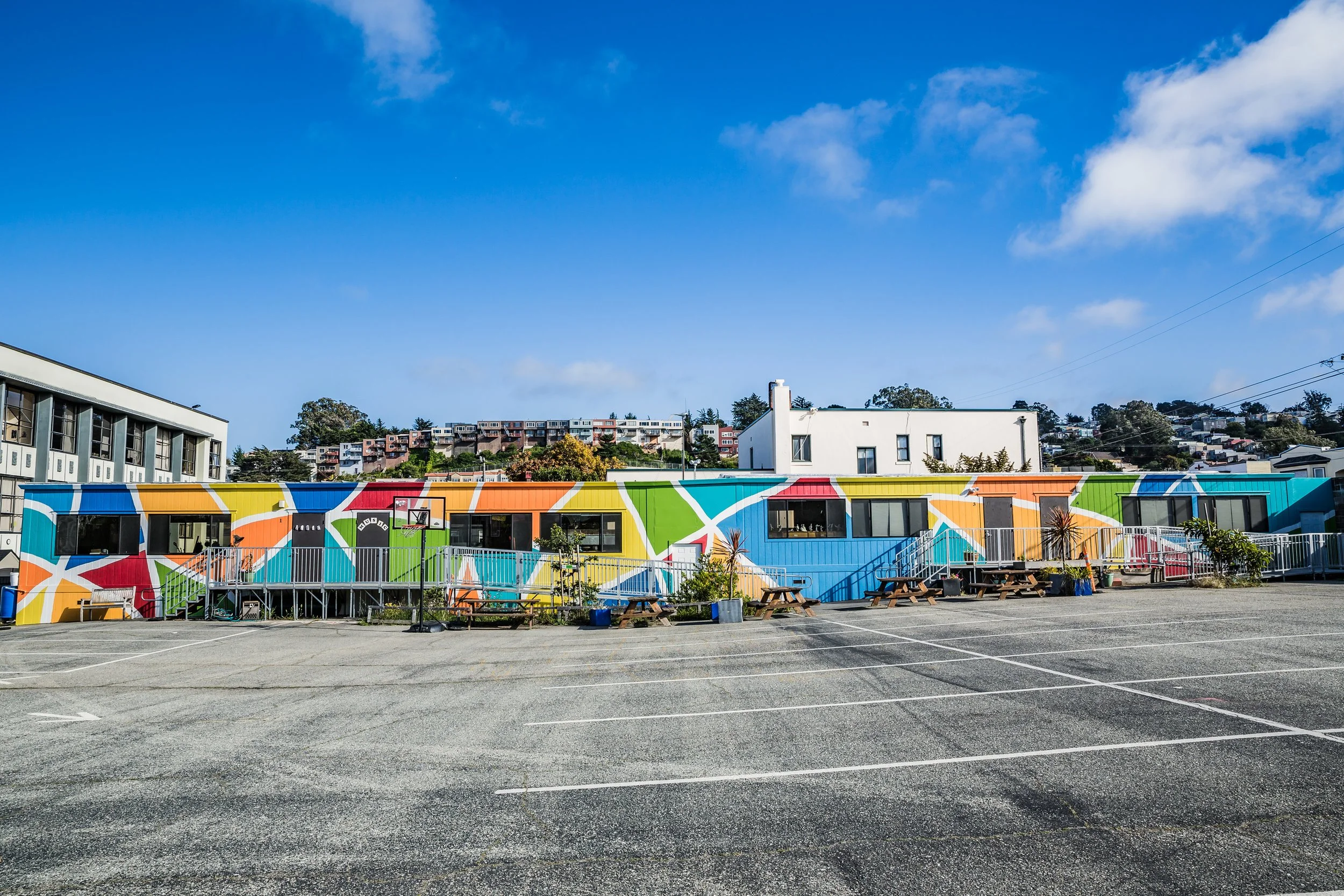
Alta Vista School, San Francisco, California

In April, Kaitlin Strange went looking for a wall. A wall?! I might look for a canvas or a new lens. Searching for a wall… is that something like Winnie the Pooh a-hunting for a Woozle?

Having painted murals with Susan Cervantes at Precita Eyes in the Mission District of San Francisco, Kaitlin thinks taking a wall and turning it into public art is a good thing.

In the 1960s, Latinos in the Mission District in San Francisco, borrowed the Mexican mural tradition from Diego Rivera, José Clemente Orozco, and David Alfaro Siqueiros, and painted murals as part of the Chicano Mural Movement. Kaitlin wrote her Masters thesis on those murals.
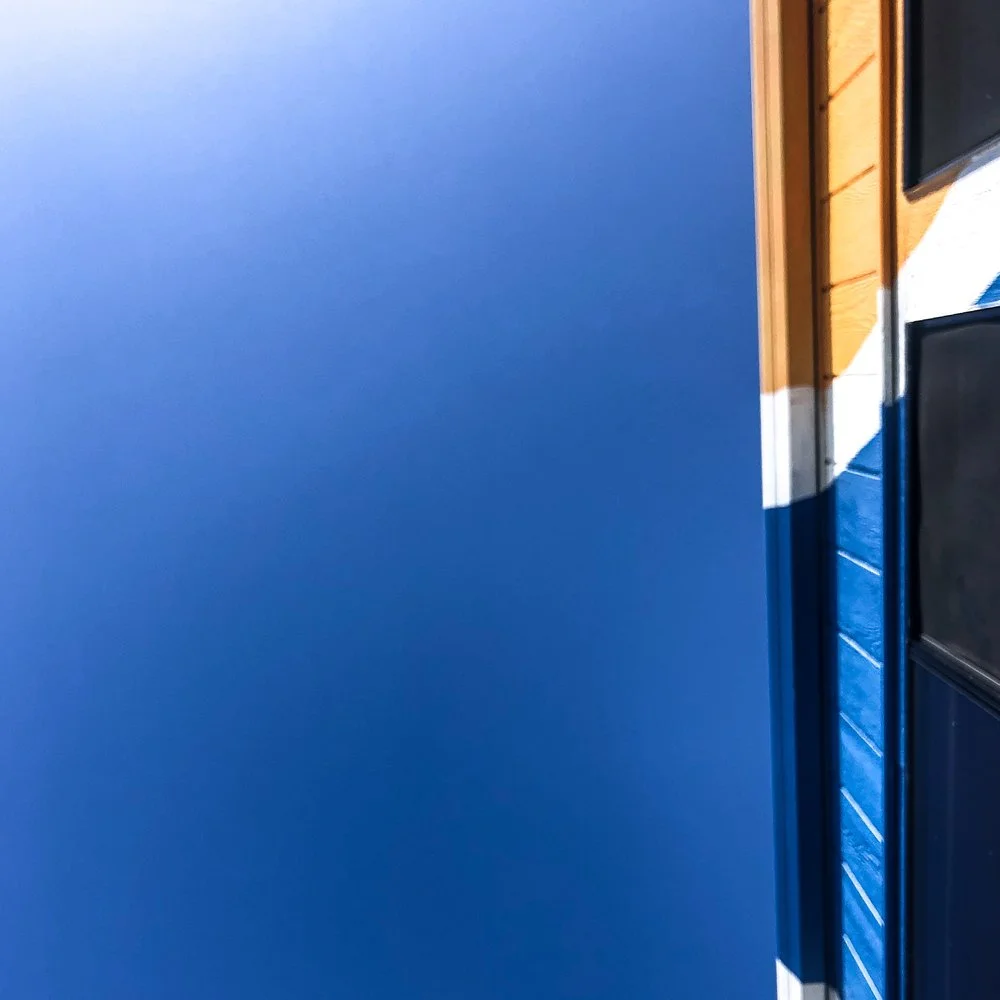
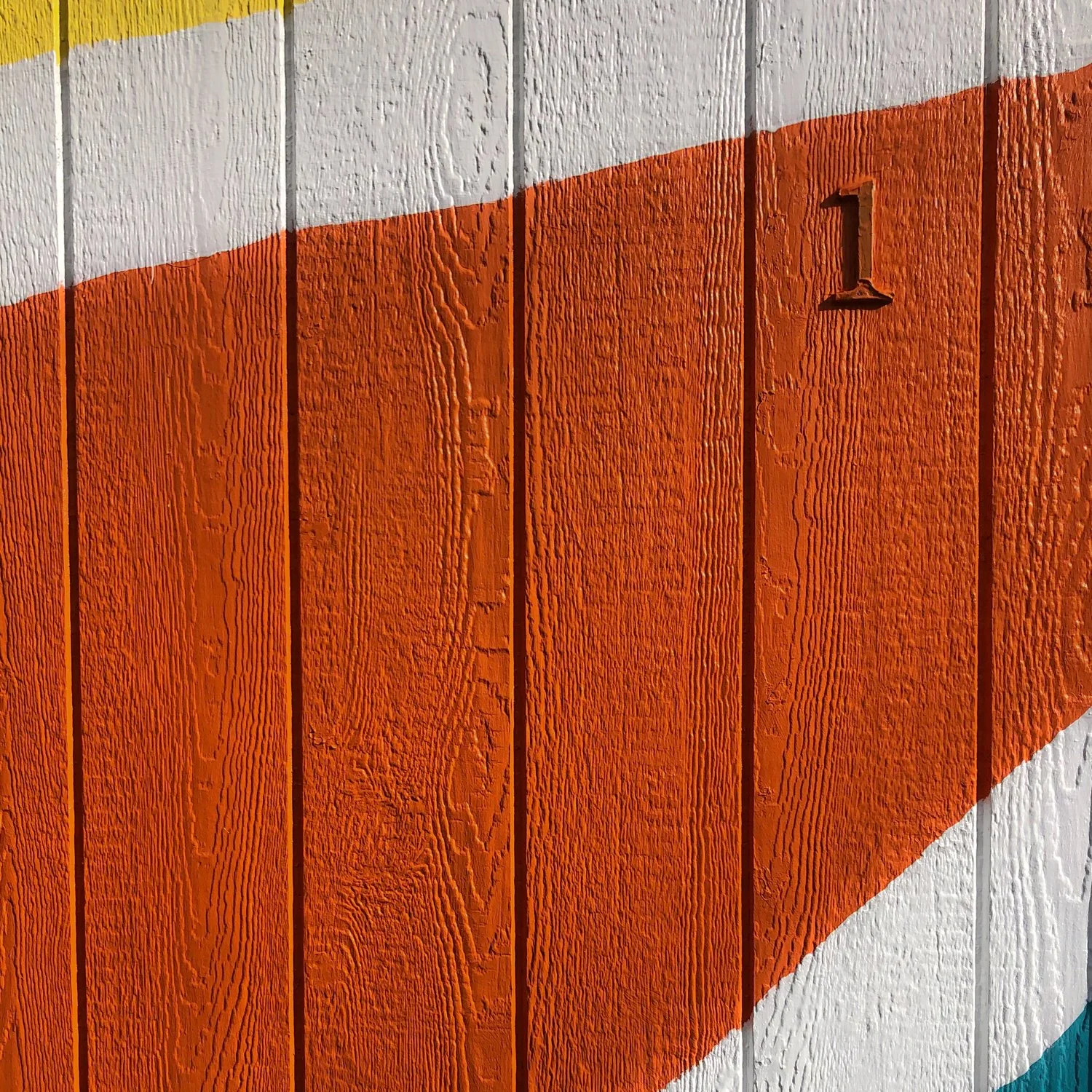
In May of 2019, Kaitlin found her newest wall. Alta Vista School in South Bay, San Francisco welcomed Katie to design and lead a mural painting project. After approximately 30 hours of painting, 20 gallons of paint, and with the help of about 25 volunteers, Katie's mural was completed in 3 days.
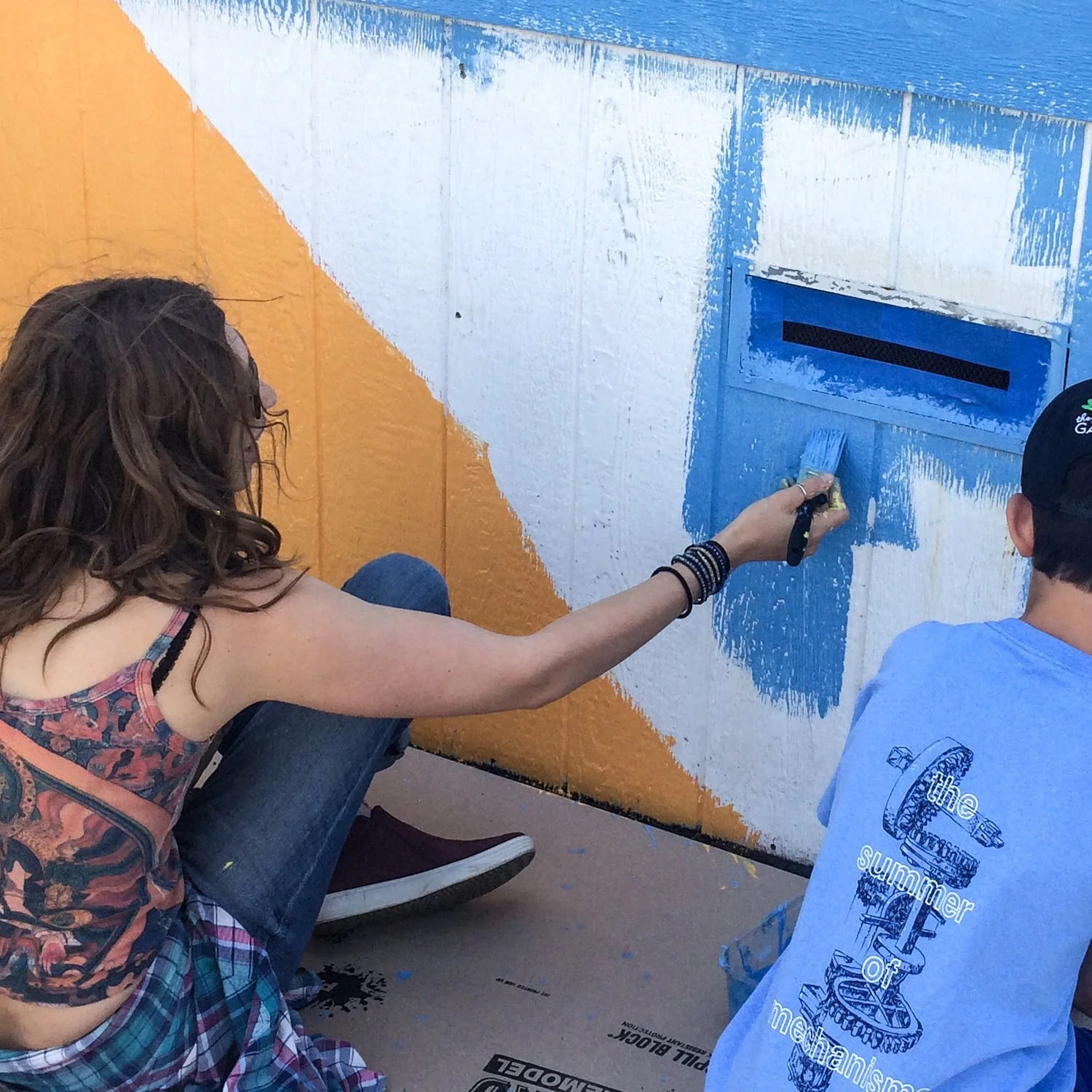
Zoey Olbum, Art Junketeer volunteering.

“The Alta Vista lower school had been talking about painting a mural at the school for years, but it has never happened (though there is a small one in the garden). It was the community at the Art Junket that has made this possible -- from Maureen's Level Up theme and her encouragement to go BIG, to Katie's vision and execution, to Annelise and Zoey helping to paint and to Manya and Brian's volunteer efforts for fire survivors. It was a real team effort, which I value most and find most satisfying in the art of creation. We weathered through a little bit of drizzle, lots of strong winds, and many hours of repetitive movements. I'm exhausted but feel so grateful and satisfied to create meaningful work that will brighten so many children's days. Many parents who volunteered commented on how the mural really cheered them up upon seeing it. “ (Yun Suh, documentarian and member of the Art Junket West)
Words: Yun Suh and Maureen Fitzmahan

Designer of mural: Kaitlin Fitzmahan Strange

Photos: Kaitlin Strange and Yun Suh

Yun Suh is a member of Art Junket West and Katie is a co-founder of the Art Junket.
In Art, Art Junket, Bay Area, Murals
Comment

I Am Steady

Up and down, and all around— And I am steady. skf 2019

SKF - I Am Steady

April 8, 2022

The Murder Ballad

You put me in a shallow grave / You left me here while you walked away. (skf, I am Steady, 2019 )

skf is a member of Art Junket East.

SKF

“I wanted to write a murder ballad. I know it’s a bit dark, but I like dark.”

At first shocked, I did a bit of research and now I find myself completely addicted. A sub genre of the ballad, songs about murders have been around for a long time. Crime and murder in a song. What’s not to like? Usually passed down orally, these ballads are a murder mystery encapsulated in a short song.

Bob Dylan and Neil Young revived an interest in the murder ballad during 1960s and 70s.

For more murder ballads, you are welcome to listen to my playlist via iTunes or Spotify.

Original composition: skf

Photo and Words: Maureen Fitzmahan

In Art, Art Junket, New York, Music
Comment

Franky Lee

I would trade all of my technology for an afternoon with Socrates. (Steve Jobs, Time Magazine, 2001)

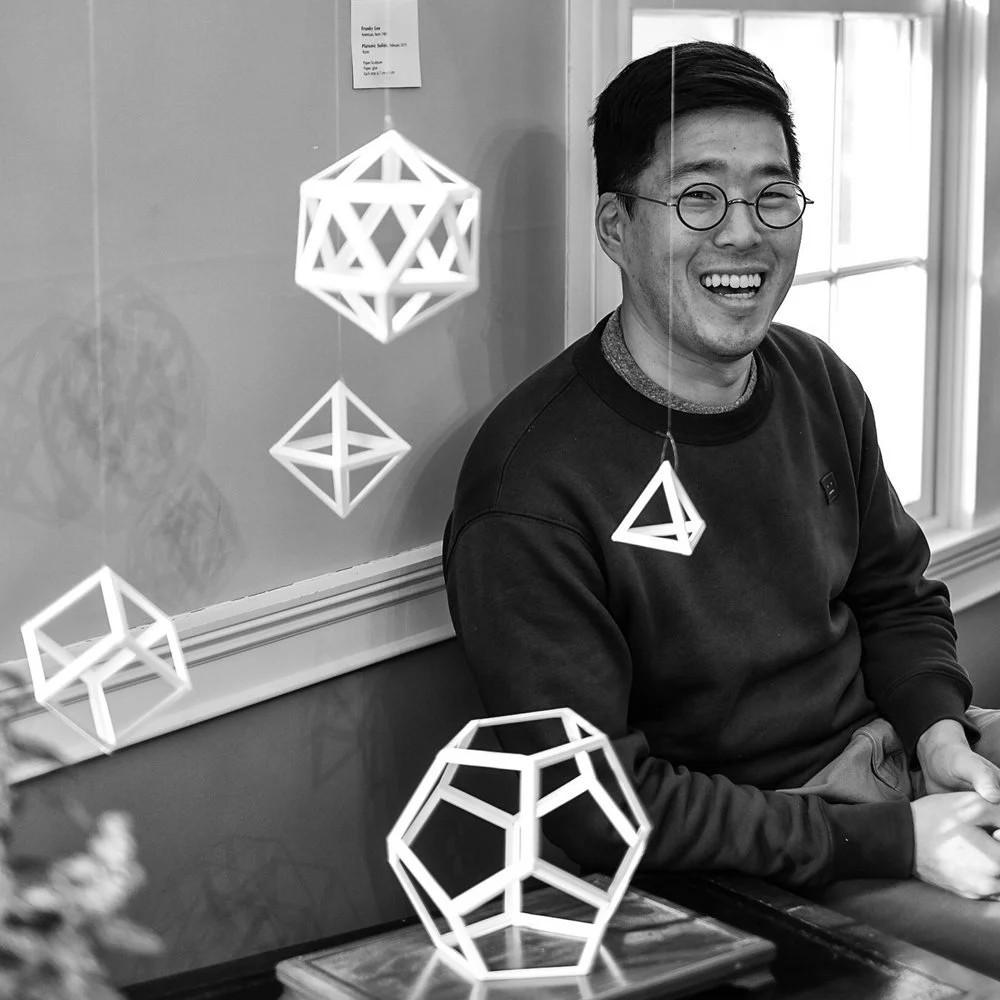
Frankie Lee: Platonic Solids

April 8, 2022

Geometric figures - Art with Franky Lee

The solids combine with themselves and with each other to give rise to endless complexities, which anyone who is to give a likely account of reality must survey. Plato, The Timaeus dialogues, ~360 B.C.E.

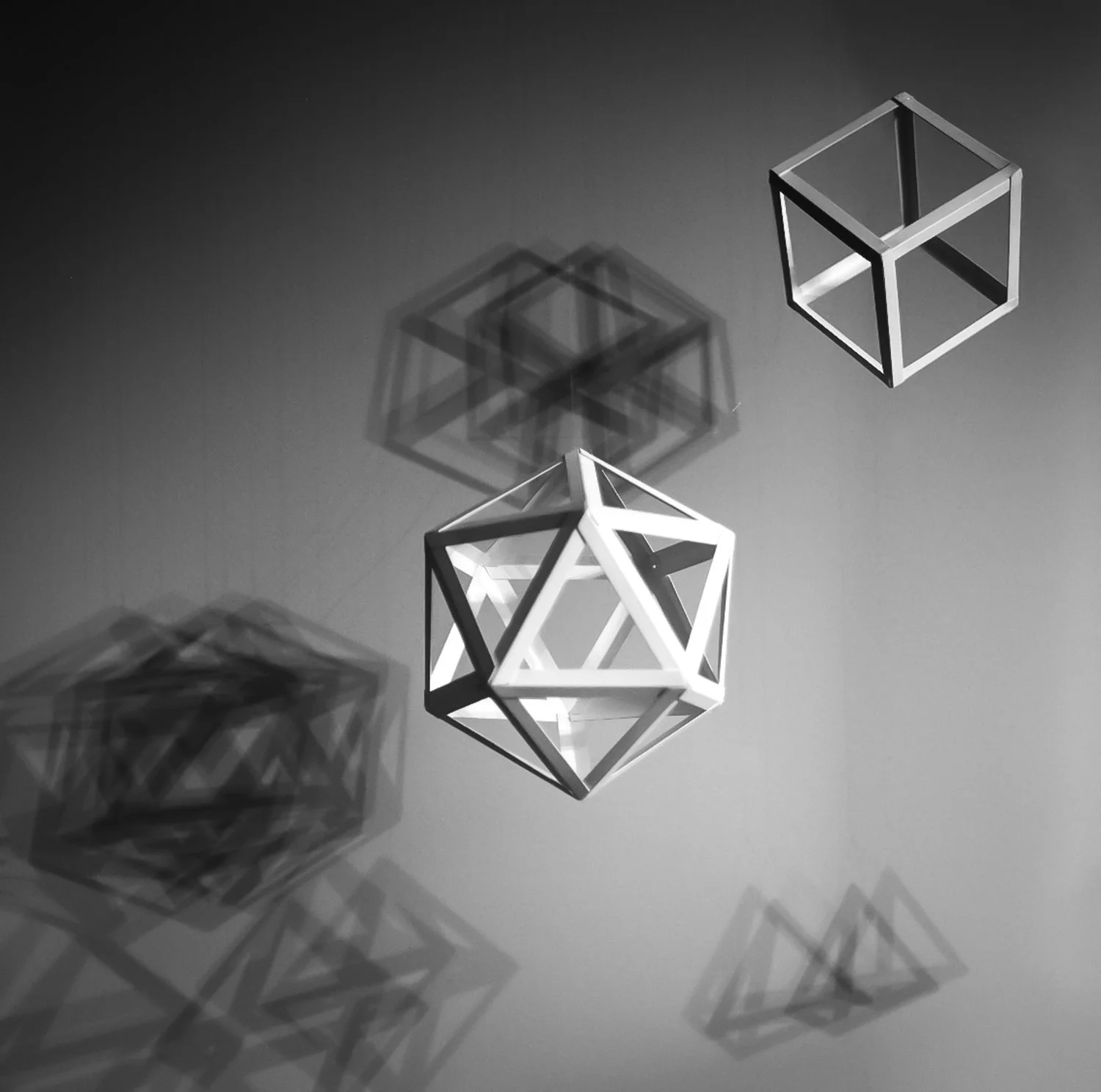
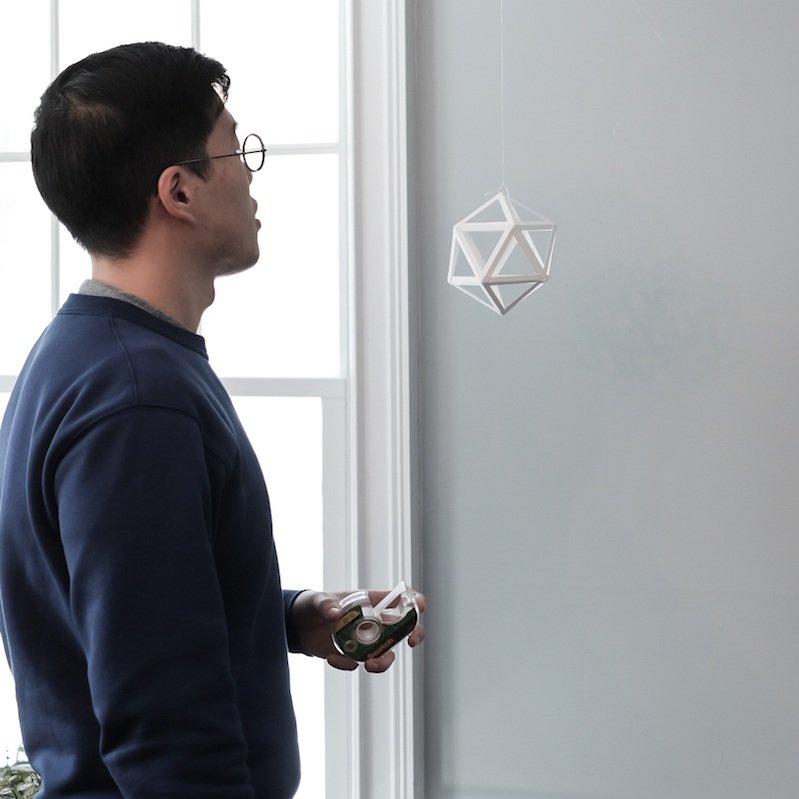
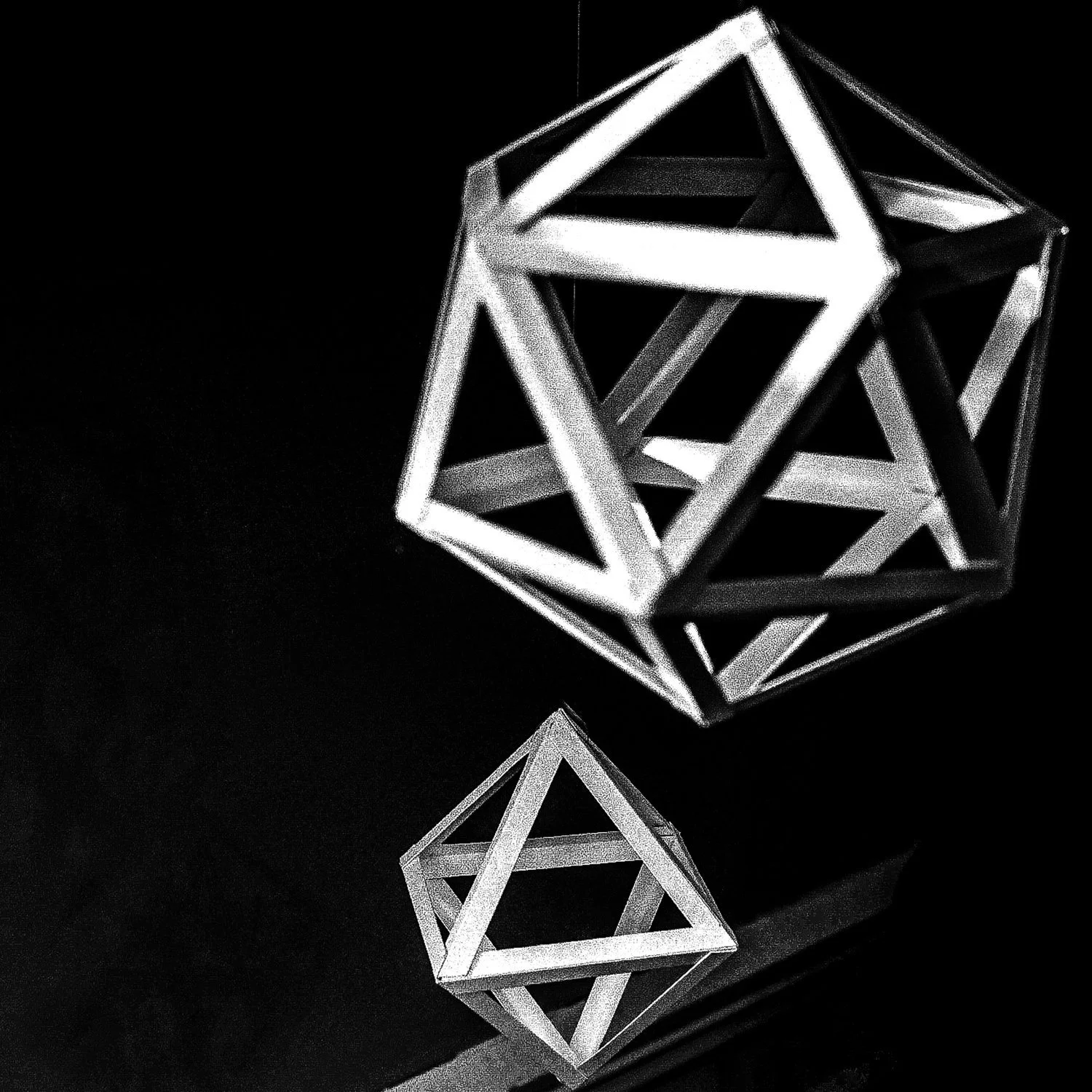
“I haven’t created anything with my hands for a very long time. When I was a kid, my mom and dad got me origami books. There were two large volumes. At the end, the most difficult origami were the modular origami.Taking one root piece, you replicated it many times and created giant three dimensional shapes. Taking the ‘Roots’ theme from the Art Junket, I took the idea that there would be one ‘root’ that shared and created many things from it.There are five Platonic solids. They are geometric figures. The faces are all equilateral. They are all equilateral triangles, squares, or pentagons.” (Frankie Lee, Member of Art Junket East, 2019)

Franky Lee

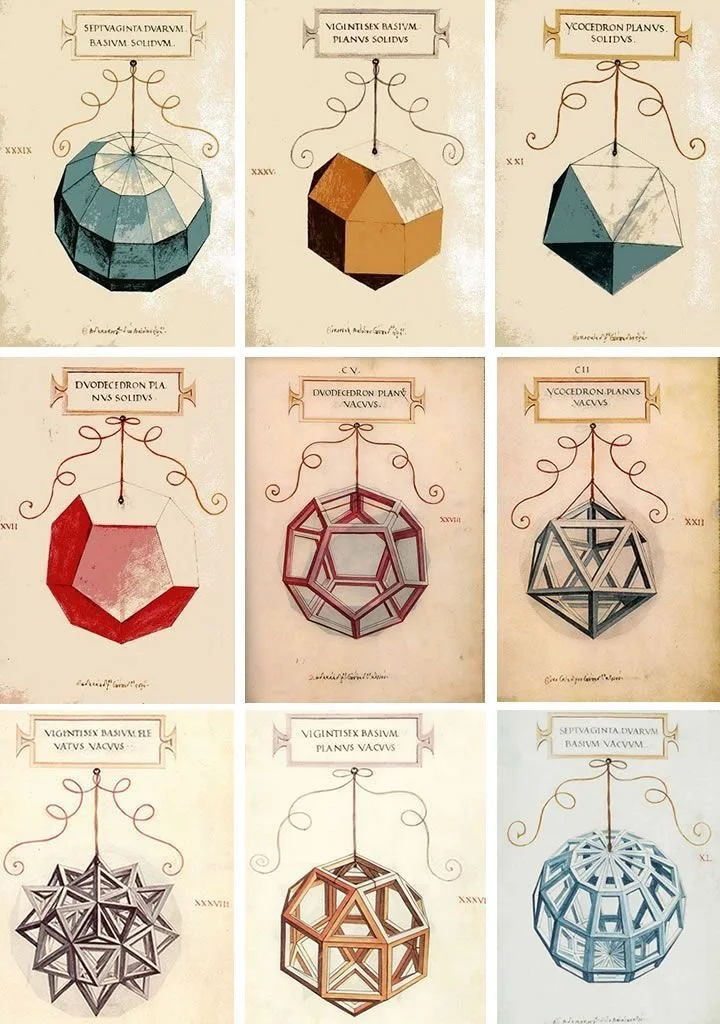
Plato wrote about these solids in the dialogue Timaeus c.360 B.C.E. in which he associated each of the four classical elements (earth, air, water, and fire) with a regular solid.

Earth was associated with the cube, air with the octahedron, water with the icosahedron, and fire with the tetrahedron. There was intuitive justification for these associations: the heat of fire feels sharp and stabbing (like little tetrahedra). Air is made of the octahedron; its minuscule components are so smooth that one can barely feel it.

Water, the icosahedron, flows out of one's hand when picked up, as if it is made of tiny little balls. By contrast, a highly non-spherical solid, the hexahedron (cube) represents “earth". This clumsy little solid cause dirt to crumble and break when picked up.

Of the fifth Platonic solid, the dodecahedron, Plato said, "...the god used it for arranging the constellations in the heavens.”  (Wikipedia )

  1. The tetrahedron - 4 triangular sides.

  2. The cube/hexahedron - 6 square sides.

  3. The octahedron - 8 triangular sides.

  4. The dodecahedron - 12 triangular sides.

  5. The icosahedron - 20 triangular sides.

Leonardo da Vinci was the first to draw Platonic solids as see-through figures. He drew the figures for his math tutor, Pacioli’s for Divina Proportione. Those sixty drawings are the only drawings da Vinci published in his lifetime. Da Vinci’s studies with Pacioli led to lifetime interest in mathematics and geometric shapes.

Leonardo da Vinci. Platonic Solids. 1492.

Art and words: Frankie Lee

Frankie Lee is a member of the Art Junket East.

Photos and words: Maureen Fitzmahan

In Art, Art Junket, New York, Platonic Solids, Leonardo da Vinci
Comment

Ana perches

Shadow boxes become poetic theater or settings wherein are metamorphosed the elements of a childhood pastime, fresh with wonder.

Joseph Cornell


Ana Perches: Assemblage - Theater

April 8, 2022

Assemblage - Theater

I rummaged through the basement and found a wooden wine box, and began to plan which of the objects I had at home could be arranged, pasted or attached to the inside of the box, as in a theater stage. (Ana Perches, 2018 )

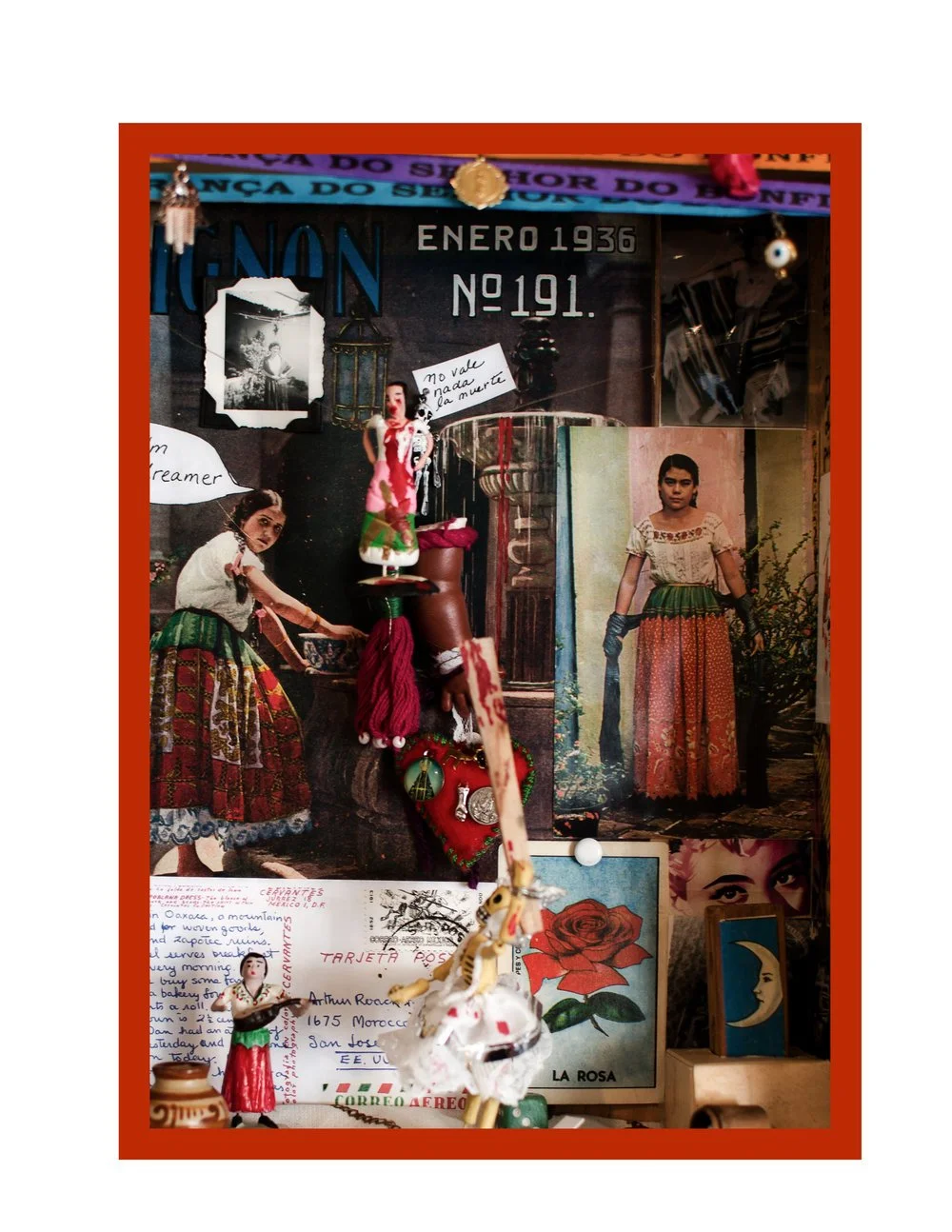
I consider myself a self-taught artist. Only since 2014 have I engaged in art in a systematic manner after joining the Art Junket collective. For my first piece in 2014, I rummaged through the basement and found a wooden wine box, and began to plan which of the objects I had at home could be arranged, pasted or attached to the inside of the box, as in a theater stage. A theme emerged: Cielito Lindo, the Mexican folk song addressing a loved one, usually translated My Beautiful Sky or Heaven, the idea being “My Dear One.” At the center of the box is a small skeleton doll which I dressed as La Muerte with a piñata stick, hitting a smaller female doll hoisted by a wire, and who has blood on her clothes. This was my first assemblage, and is currently at home in my private collection.

mbftizmahan. Ana Perches. Photo. Berkeley, California. 2019.

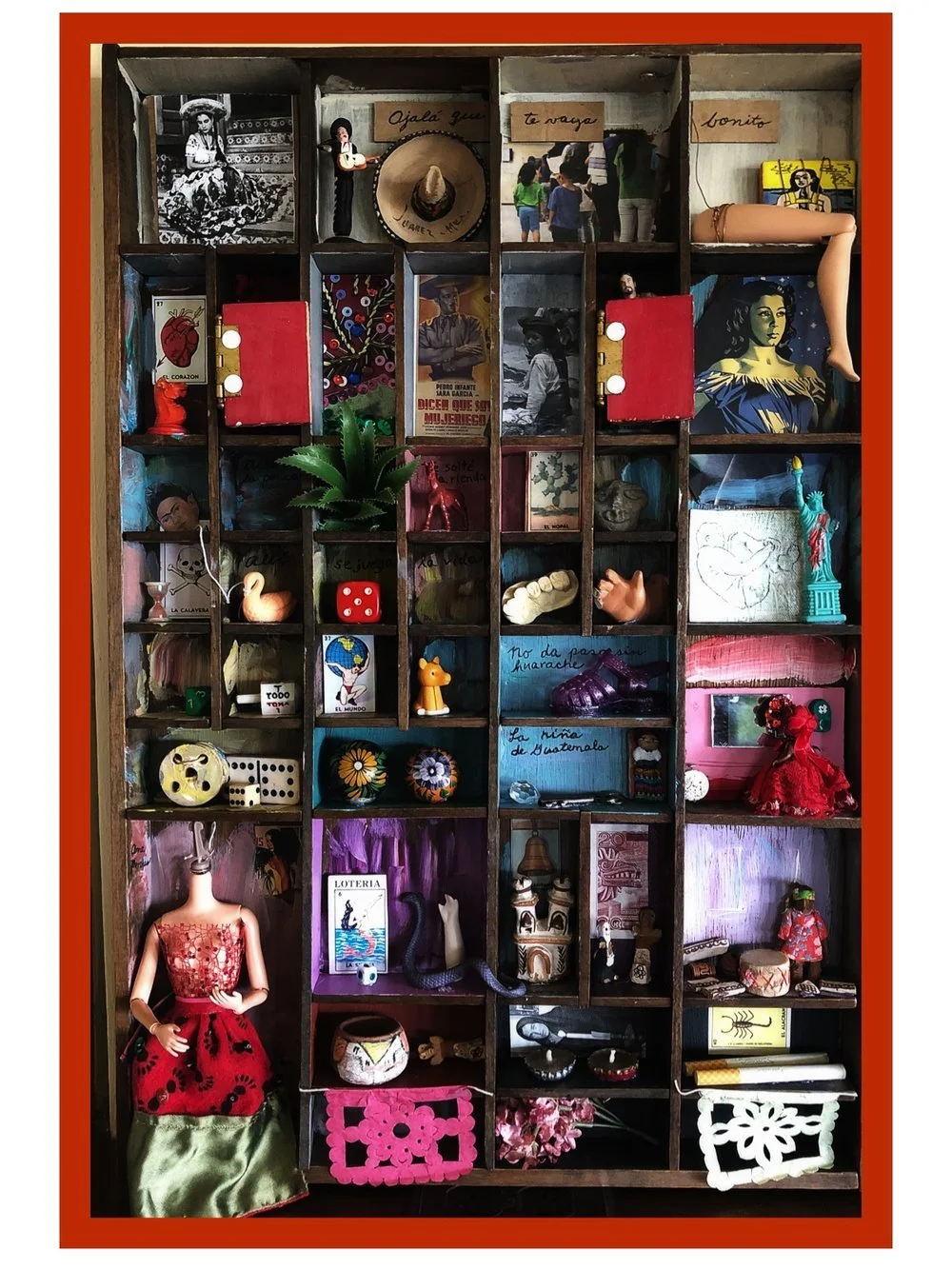
I had not yet discovered the work of Joseph Cornell, the master of Assemblage and of the shadow box, until an art historian friend from Mills College pointed him out to me. I read about him, about his poetic theater-boxes and unexpected juxtaposition of objects. He was self-taught, a collector, a fan of second-hand stores. His story-boxes emerge from his psyche and dreams to invite the viewer into his own private world.

For subsequent projects I explored painting on canvas with acrylic paints and soon found myself wanting to cut and paste on canvas or wood, incorporating collage, fabric and three-dimensional objects. I am drawn to performance, to costumes, to movement and story-telling, as for many years I taught Mexican theater at the University of Arizona, and wrote plays which I staged, produced and directed for my students. Prominent themes in my plays were the border, feminism and politics. I find myself carrying these themes onto a smaller stage now, dramatizing not with words or actors but with objects, colors and textures.

I’ve always been a lover of the fine arts, but also of outsider art, and what the French call Art Brut (unpolished, unrefined, natural, “rough”). I found I had an affinity for this kind of art, well-suited to my limited drawing skills and technical immaturity. My kind of art is a bit “on the edge” but also physically and psychologically on the edge of the US-Mexican border. The Rio Grande separates the United States from Mexico and the Río Bravo separates Mexico from the United States. Same river, different name, same desert. A space overlapping two nations but a single space, joined and divided. This “both” and this “neither” is the basis of Border Art, a form inspired by graffiti, street art, outsider art and performance art. And by my own experience as a person from the border, a borderix.

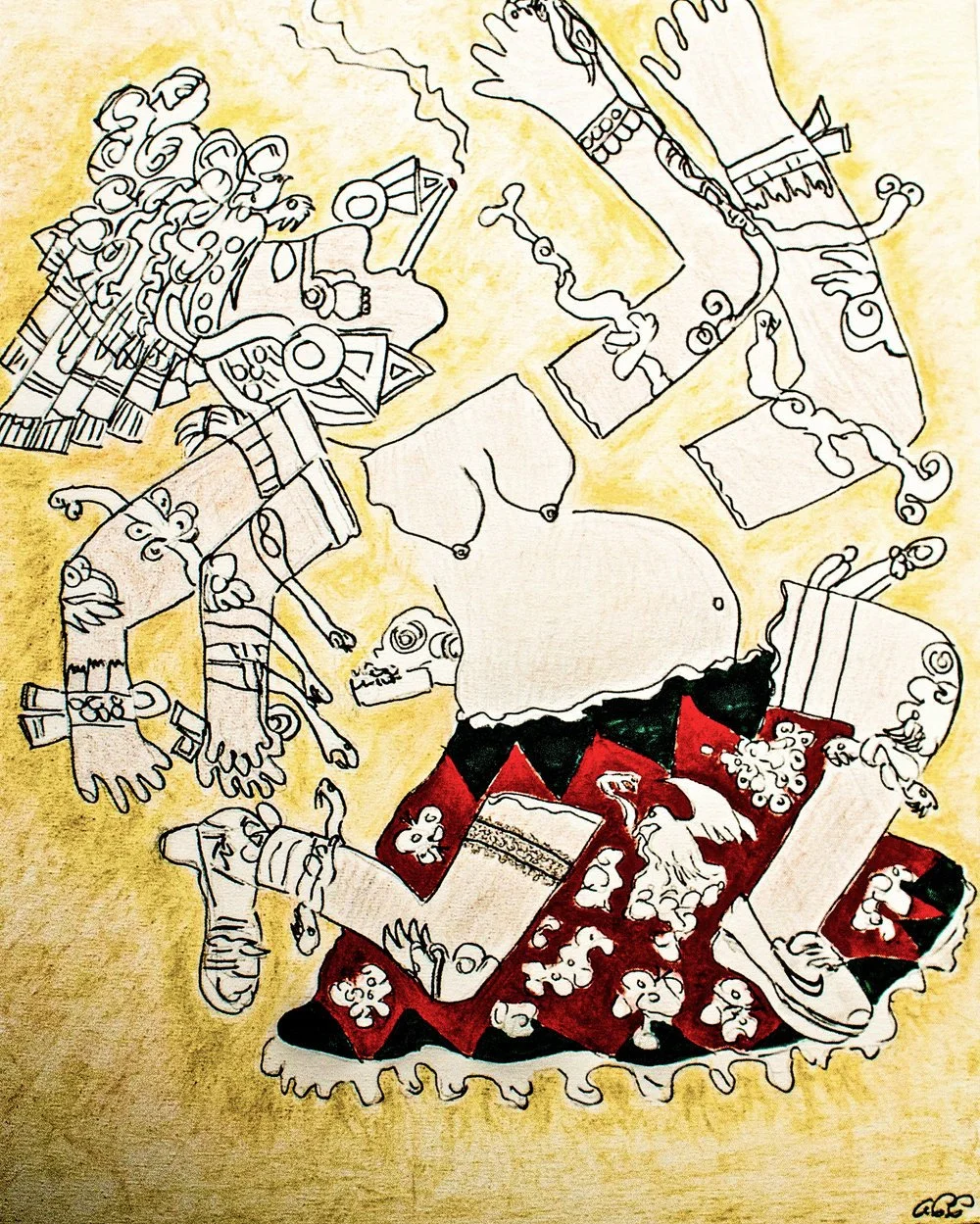
Front page art: Ana Perches, Coyolxauhqui (Aztec Moon Goddess). 2015.

Artwork and words: Ana Perches

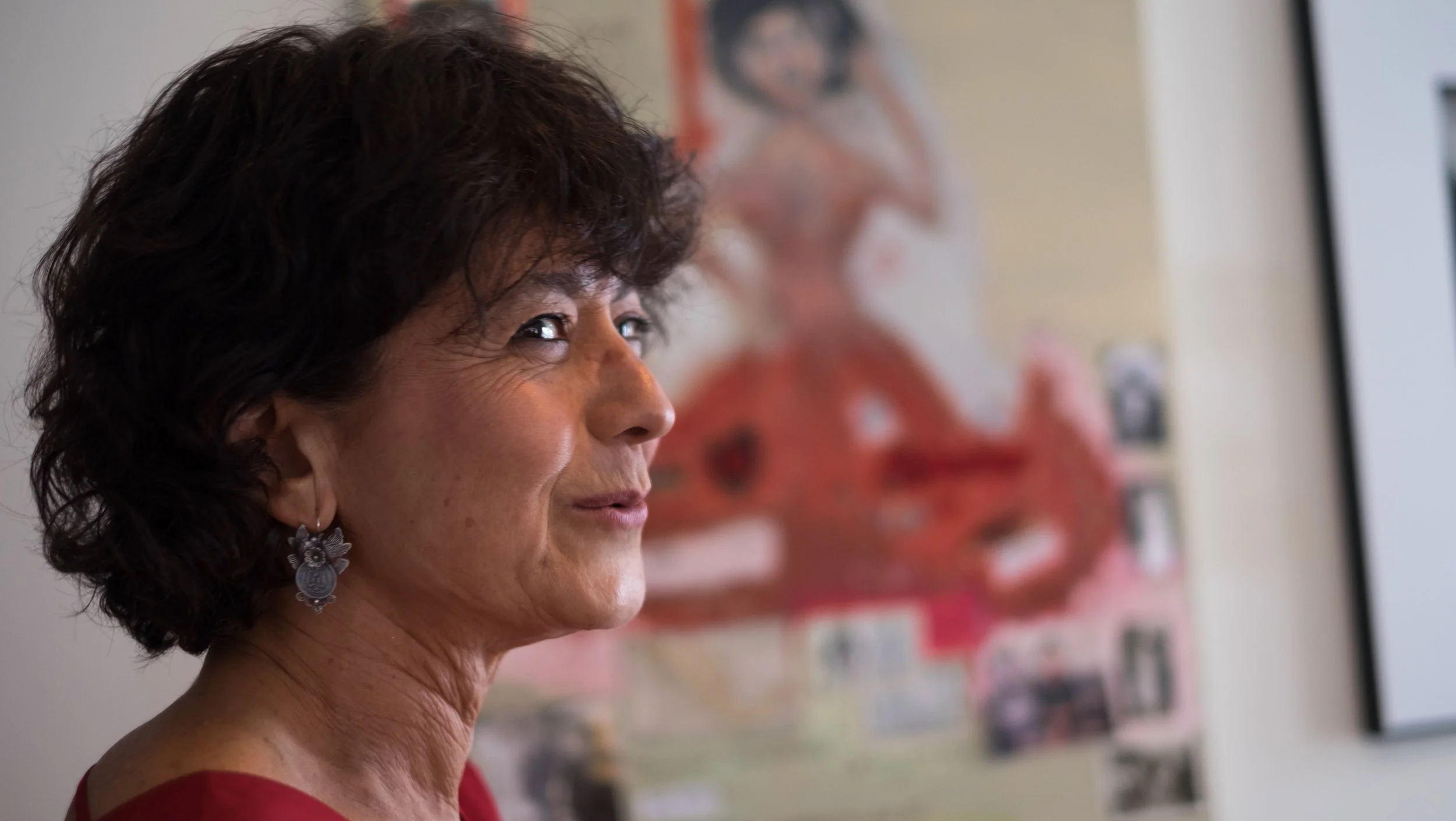
Ana Perches is a 2014 founding member of the Art Junket. She works out of Berkeley, California.
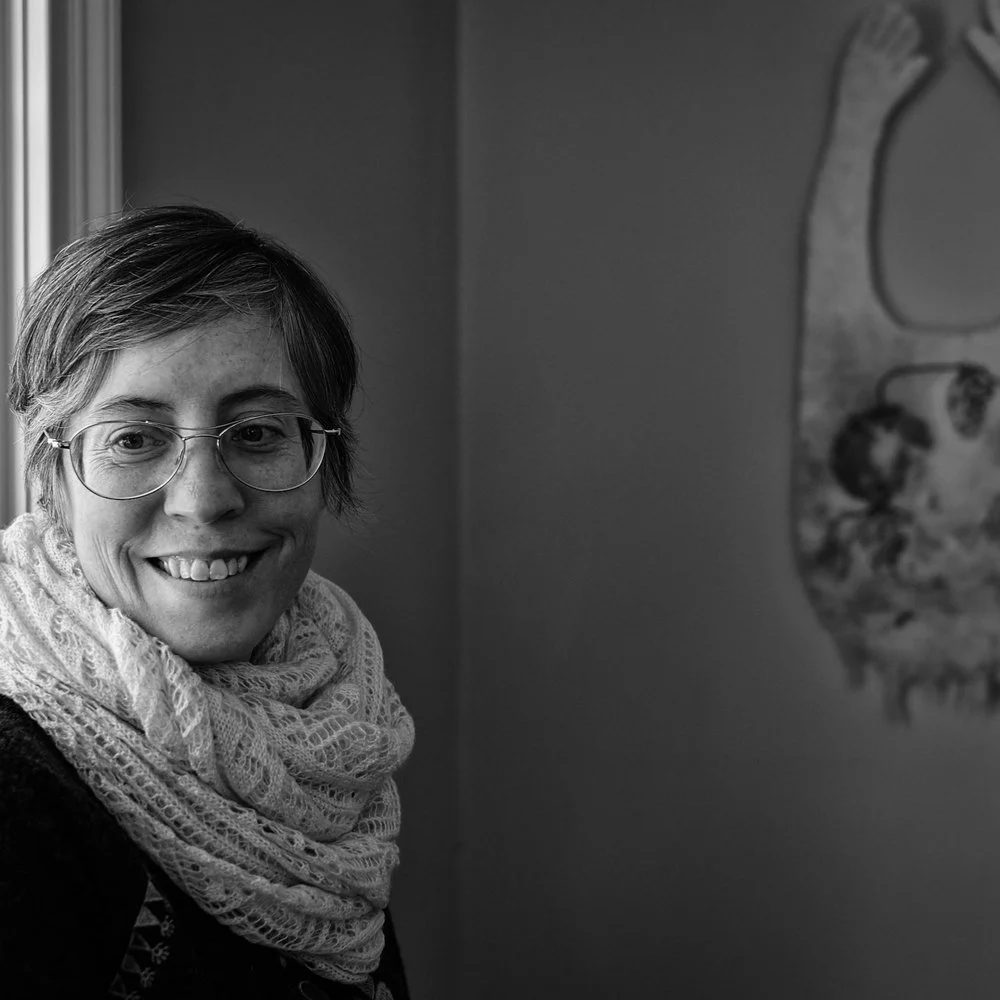
Photo of Ana: Maureen Fitzmahan

Ana Perches, Assemblage #3, 2014

Ana Perches, Cielito Lindo. Assemblage #1, 2014

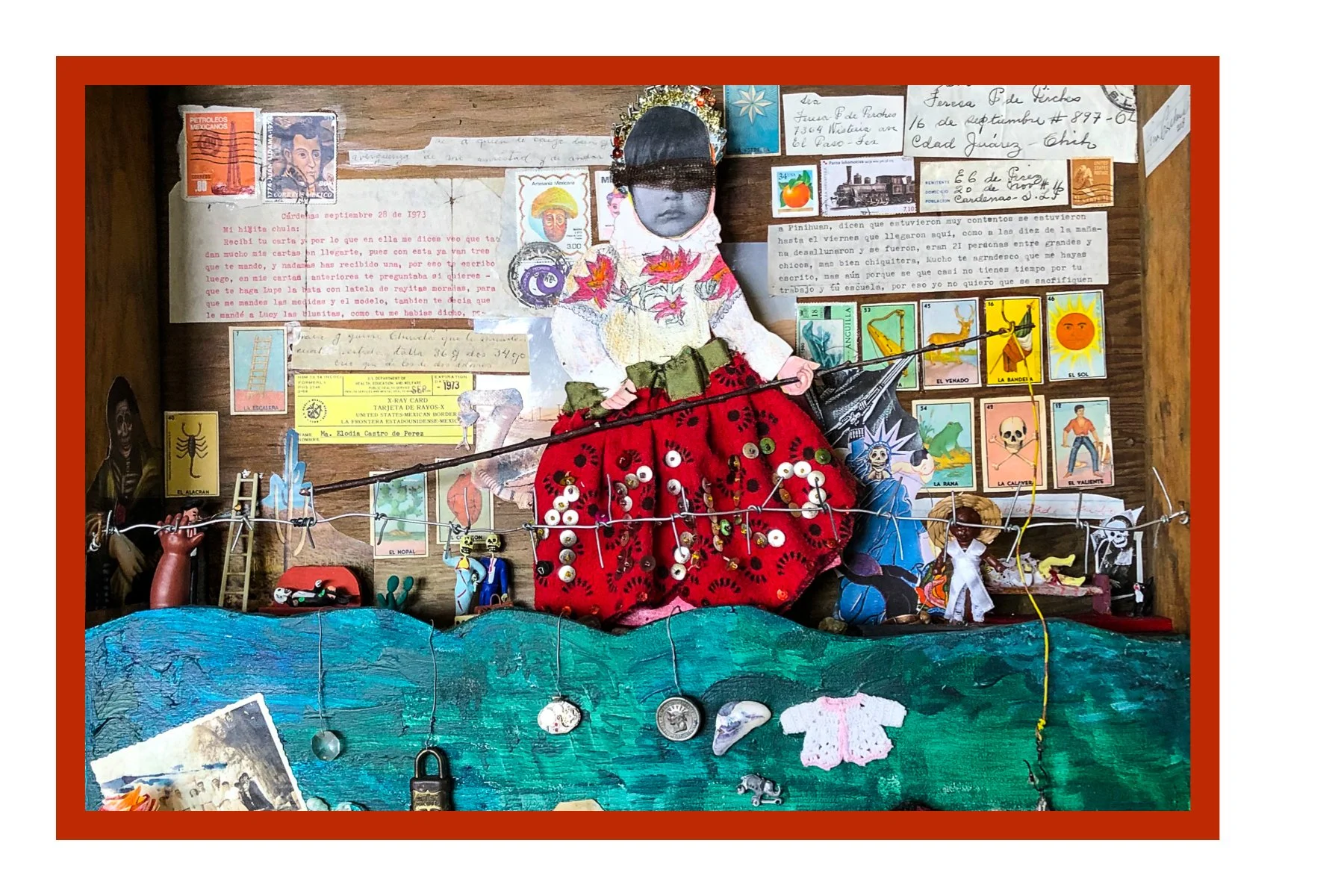
Ana Perches, El Paso. Assemblage #3, 2018

In Art Junket, Art, Bay Area, Assemblage
Comment

New York Art Junket

“There is something in the New York air that makes sleep useless.”—Simone de Beauvoir, French intellectual (1908-86)

Art Junket - East

April 8, 2022

"Ansel Adams begins with the extraordinary in a place like Yosemite, and then makes it even more so. Edward Weston begins with the mundane and turns it into something worthy of obsessive focus." Amy Scott, chief curator at the Autry Museum, Los Angeles, California, 2016

In 1905, Picasso asked Gertrude Stein to sit for a portrait. Picasso said, "Everybody says that she does not look like it but that does not make any difference, she will.” (Gertrude Stein, The Autobiography of Alice B. Toklas, 1933.)

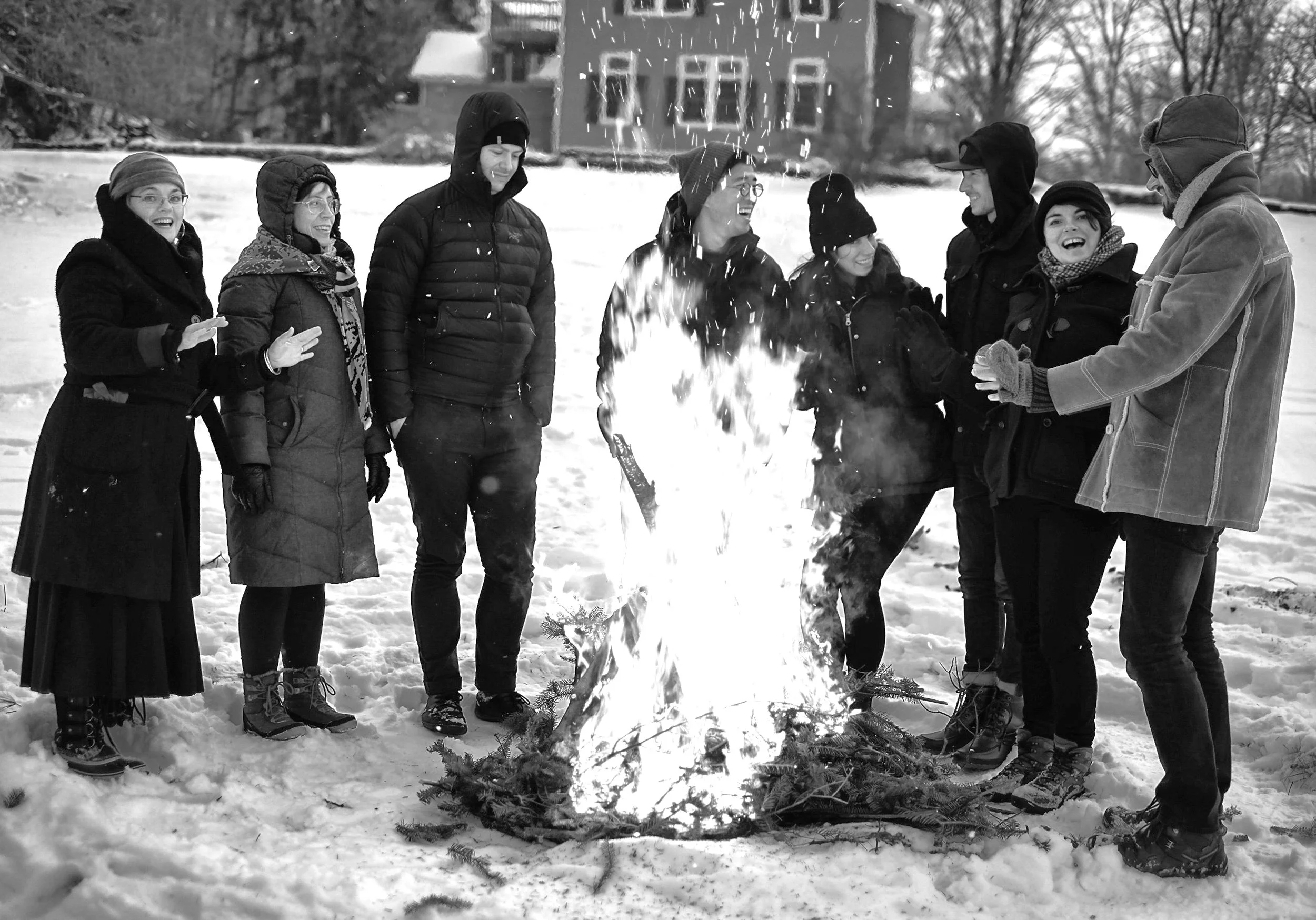
In February, 2019, the Art Junket welcomed New York to the Art Junket. Art Junket East is a spin-off of Art Junket West in Northern California. The first salon on the East coast was held in upstate New York near Pawling, New York.

After years of showing my photos on social media and occasionally exhibiting my photos in a coffee shop or a gallery, I have found that a much more rewarding venue is to share my photography at the quarterly salons of the Art Junket.

The salon or cafe has a long and important history in the development of art. A salon has been an incubator for innovation in art.

CHINESE SCHOLARS - Bringing together a group of artists to a private home to share ideas is an ancient Chinese concept. The Chinese scholar was the Uomo Universale (Universal Man) two thousand years before Italy produced Michelangelo. These Chinese musicians, artist, writers, and thinkers monopolized the art of painting and calligraphy in China. They gathered over tea and shared their techniques, new tools, and ideas.

SALON OF PARIS - At 27 rue de Fleurus, they came to meet Gertrude Stein, an American expat. A prickly critic, but a devotee of new ideas, Stein invited the new, unformed future greats of the art and writing world. From 1903-1946, she supplied a unique place for thinkers to come. Henri Matisse, Pablo Picasso, Paul Cézanne, Ernest Hemingway and F. Scott Fitzgerald were among her guests. Stein said, "Matisse brought people, everybody brought somebody, and they came at any time and it began to be a nuisance, and it was in this way that Saturday evenings began." (James R. Mellow,  Charmed Circle: Gertrude Stein & Company, 1974)

Dressed in dark brown corduroy and seated in her overstuffed chair, Stein was a fearful sight. Terrified, the young artists shyly showed her their newest work. One of my favorite stories is that when the matron deigned to look at the paintings of Henri Cartier-Bresson, my favorite photographer, she advised him to give up painting, "Go back and work for your industrialist father."  Three years later, Cartier-Bresson, stopped painting and took up photography.

F/64 GROUP OF OAKLAND, CALIFORNIA - In the 1930s, the f/64 group of photographers of California met in a friend's old barn in Oakland. The Oakland Bay Bridge wasn't built until 1933, so Ansel Adams, coming from San Francisco had to get there by ferry boat.  All the photographers showed up with photos in hand.

The males of the group were a hard drinking, hard womanizing bunch. They included Ansel Adams, Edward Weston and Brett Weston. Interestingly, though, the group was more liberal than other art groups of the era and encouraged women photographers to join them, including Imogene Cunningham and Dorothea Lange. F/64 included as many women as men. The photographers met, philosophized and they partied, drinking illegal alcohol.  Ansel Adams arranged to have their work exhibited in San Francisco on November 15, 1932, at the de Young Museum.

THE ART JUNKET OF BERKELEY, CALIFORNIA - Over an espresso and a hot apple pie, my daughter and I met in a café on Solano Avenue in North Berkeley. Erin and I discussed the idea of reviving the salon concept for artists - a salon for artists who are beset with 21st century demands, yet feel a need to make art.  Supported by my second daughter, Katie, the three of us recruited a few friends to come to our first salon in March 2015. Art Junket West thrives in the Bay Area meeting quarterly and exhibiting yearly to the public. Five years later, the Art Junket East met for the first time in New York in February 2019.

Franky Lee. Platonic Solids. 2019.

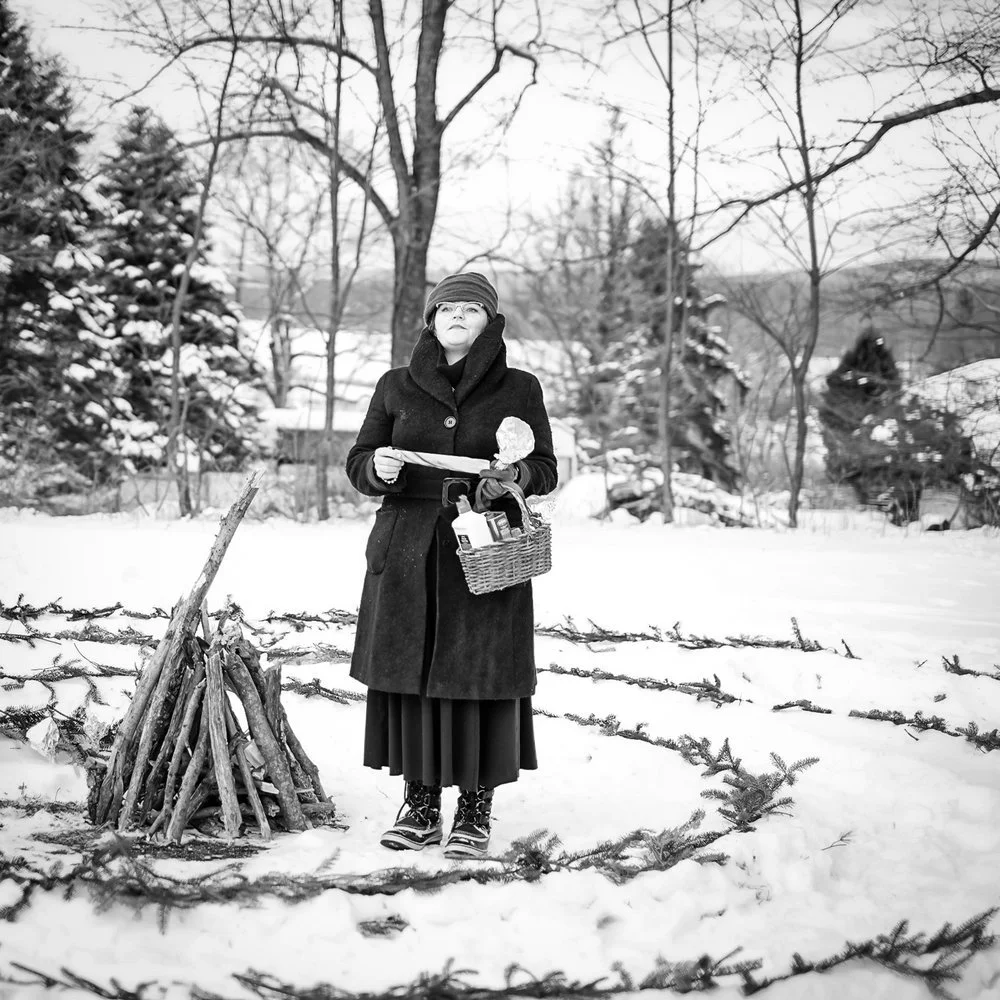
Erin Mahollitz. Mitakuye Oyasin. 2019.

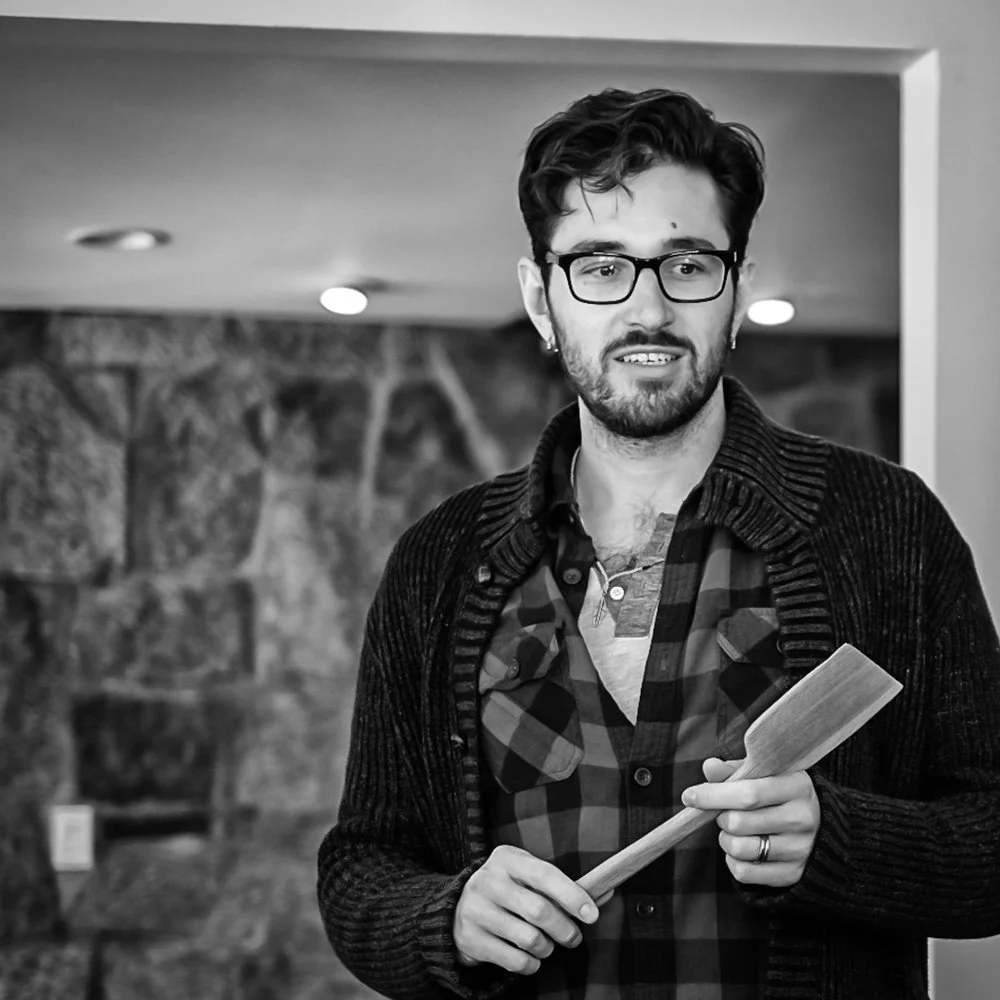
James Michel. Ceci n’est pas une spatula. Wood carving, New York Maple from Harriman Forest. 2019.

Kathryn Clark-Hilliard. The Silent House, the Birdsong Wilderness. Poem. 2019.

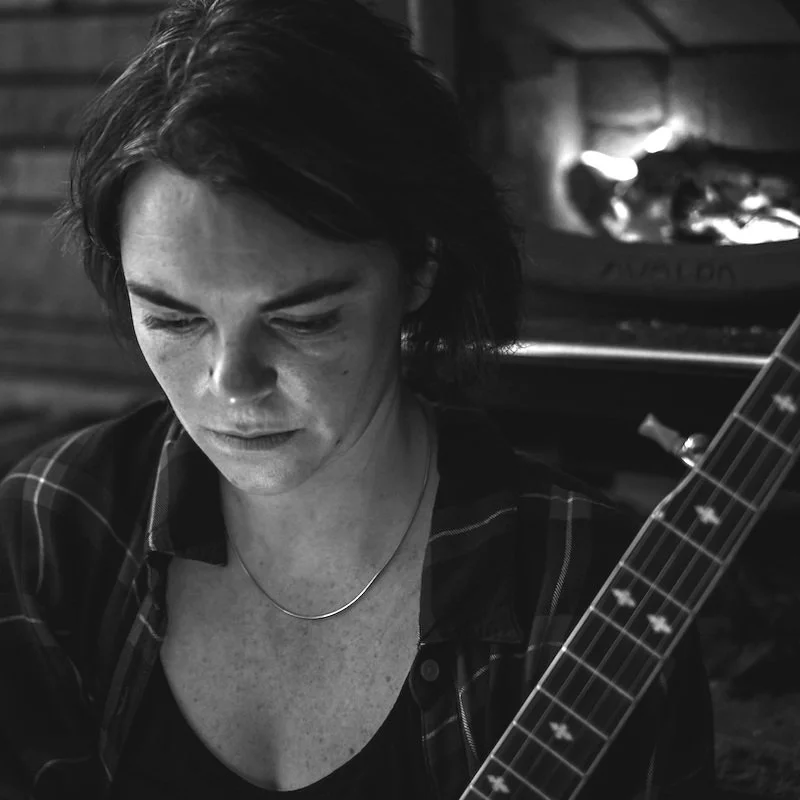
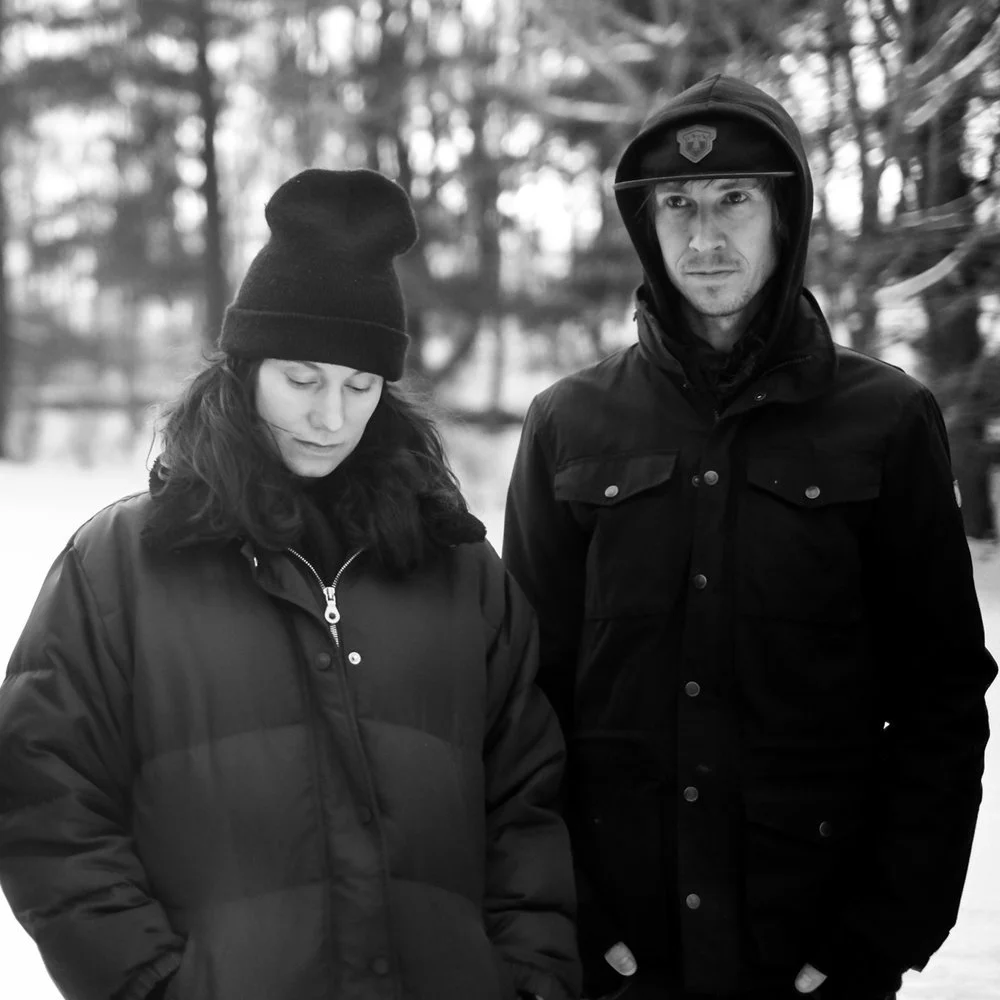
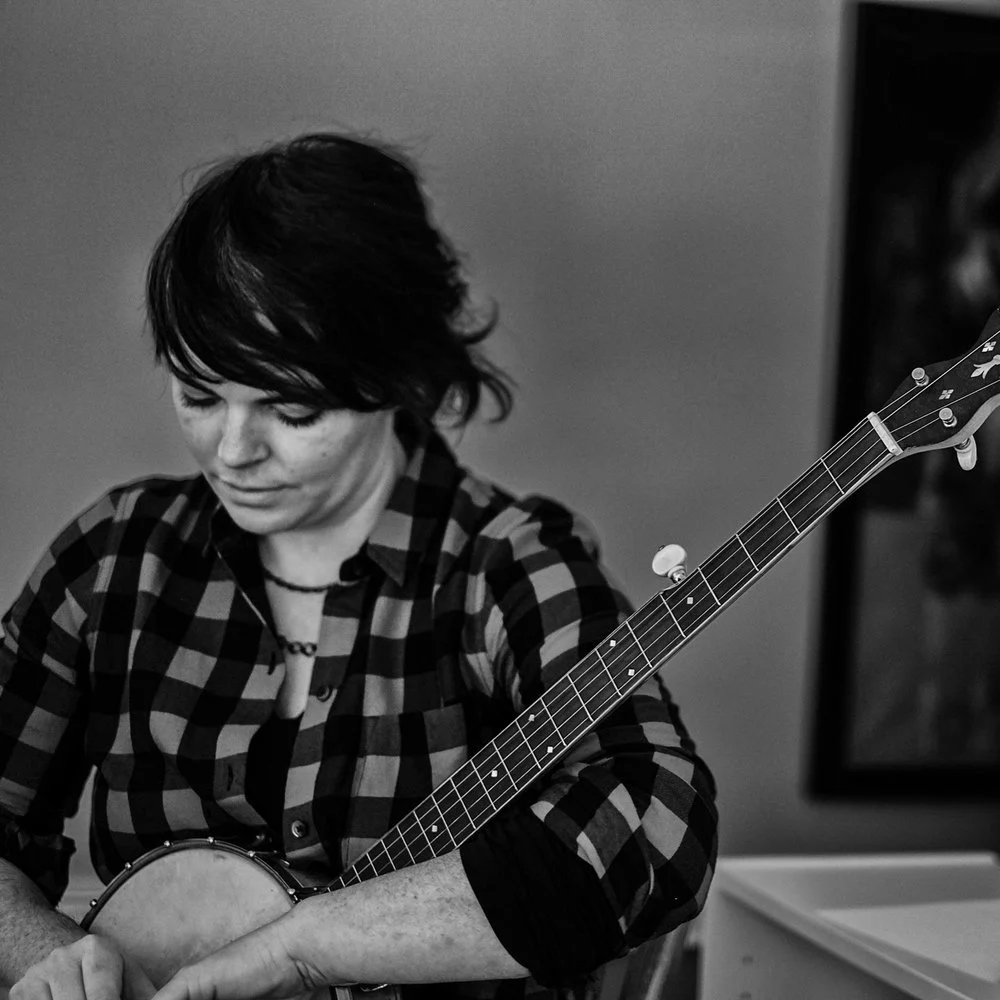
SFK. skf - Cross on Birch Hill. Musical Composition, 5 String Banjo, Americana music. 2019.

Lisa Sikorski. Breastplate #1. Rust dyed and felted silk and wool, cotton and metallic embroidery thread, magnetic clasp. 27 in x 12 in. x ¼ in. 2019.

Dan. Sycamore Gap. Vine charcoal. 9 in x 12 in. 2019.

Photos and Words: Maureen Fitzmahan

In Art, Art Junket, New York
Comment
← Newer Posts

About this page

This page is a curated look at some of the finest photos from China, Japan, and Korea.  Asia has a long and extremely strong tradition of amateur and professional photography.  Surprisingly, though, few Westerners are familiar with the deep culture of photography in Asia.  Yes, there are lots of teenagers, moms, and dads snapping shots with their cameras and ubiquitous iPhones.  But, there are a surprising number of very serious amateur and professional photographers, and this project seeks to elevate their work.

PHOTOGRAPHERS OF EAST ASIA also presents the Asian culture of photography and writing - linked as essentially as Chinese characters are to their visual image and meaning.  Through the intimate writings of the photographer there is a glimpse of the human struggles and the joys of the people of Asia.  These photographers write on aesthetics, ideas and rules that are specific to their own culture.  In many cases,  they write just about their unique walk through life.  Cultural theory.  Cultural analysis. 

RECOMMENDATIONS - Please let me know of any contemporary, amateur or professional photographer from Japan, China or Korea, who you feel should be included in this page.  (Jump to the form at the bottom of this page.)

HOME    |    CONTACT    |    ABOUT