My photographs are intimate.
The New Year
feelings of loneliness
the end of autumn.
Matsuo Basho
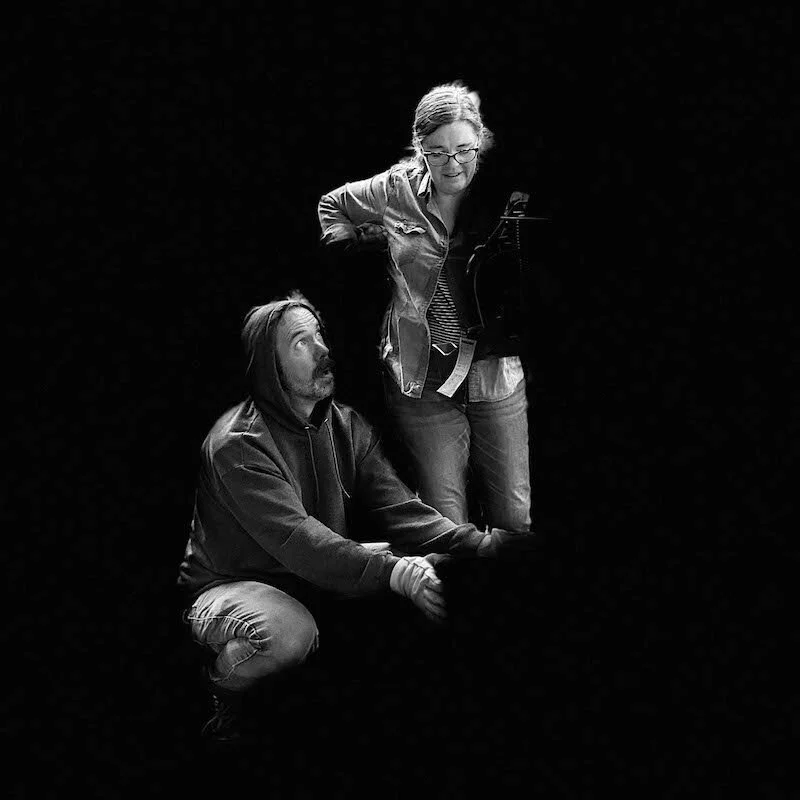
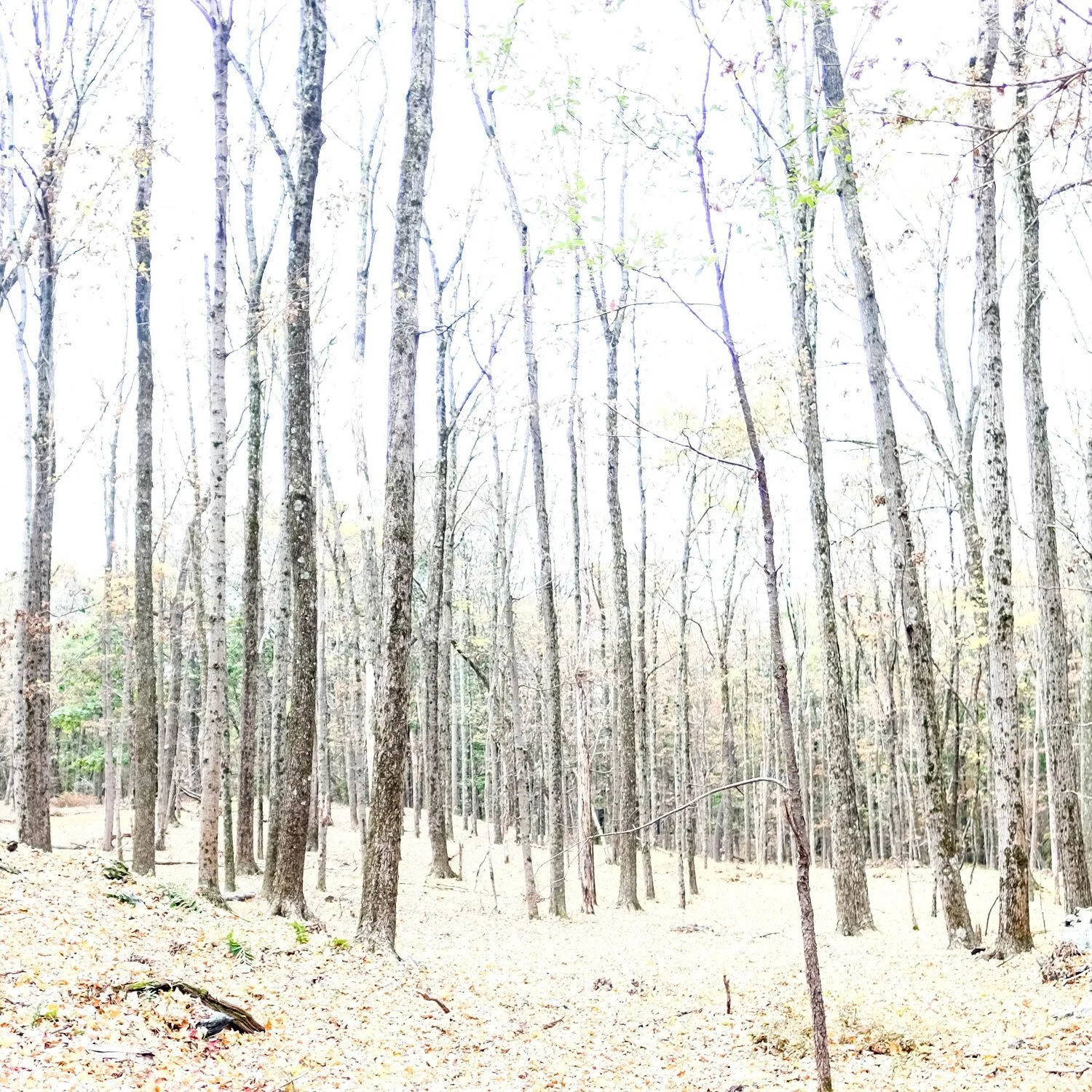
mbfitzmahan. Autumn in the Hudson Valley. 2020.
枯れ枝に烏の止まりけり秋の暮 芭蕉
Autumn evening
A crow perched
On a withered branch
Matsuo Basho
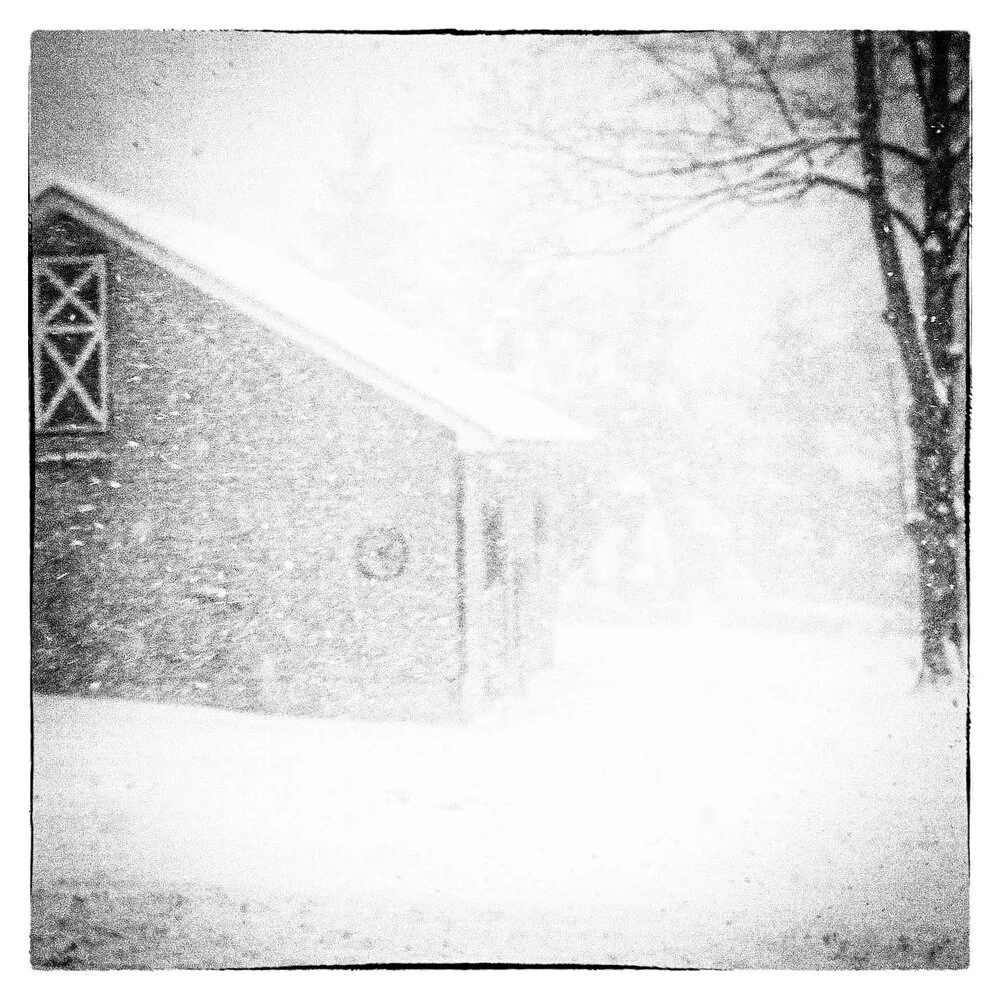
mbfitzmahan. Pawling, New York. 2020
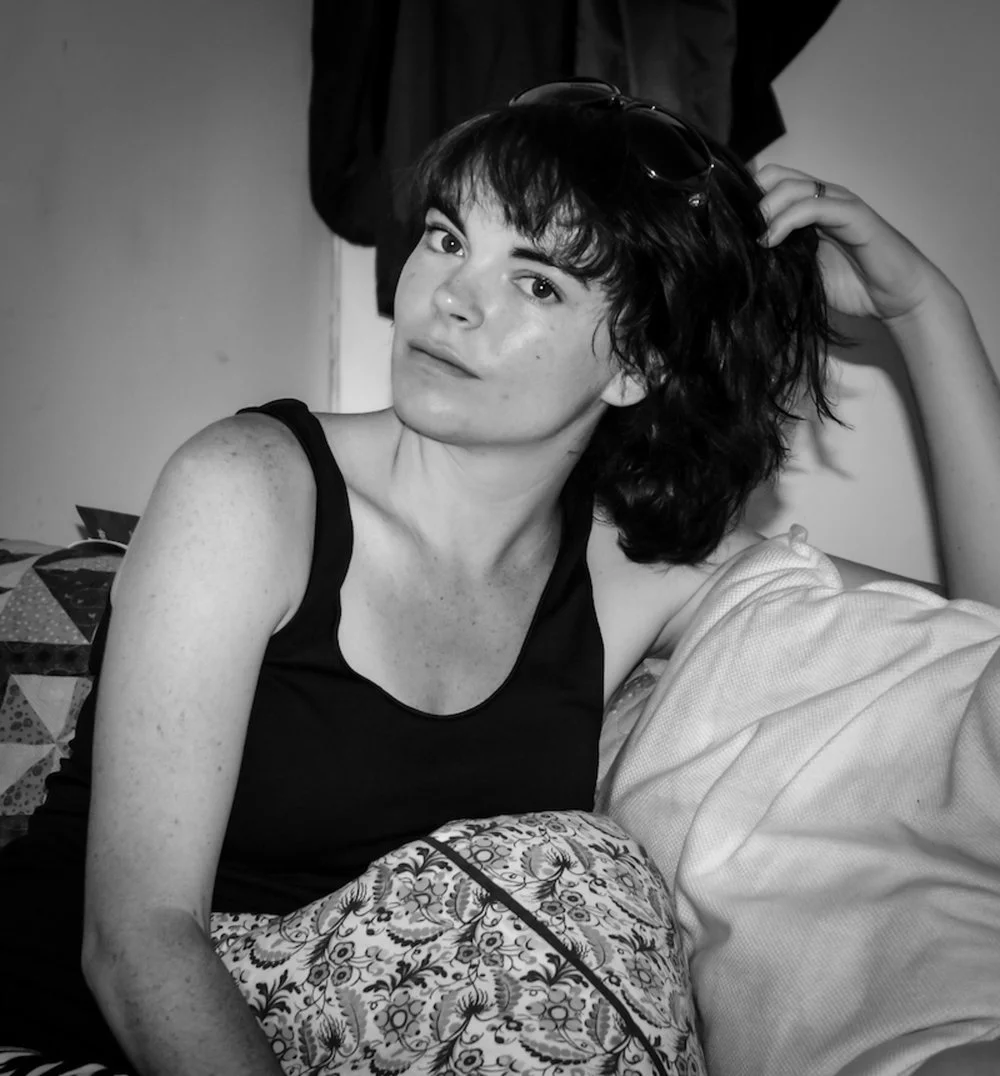
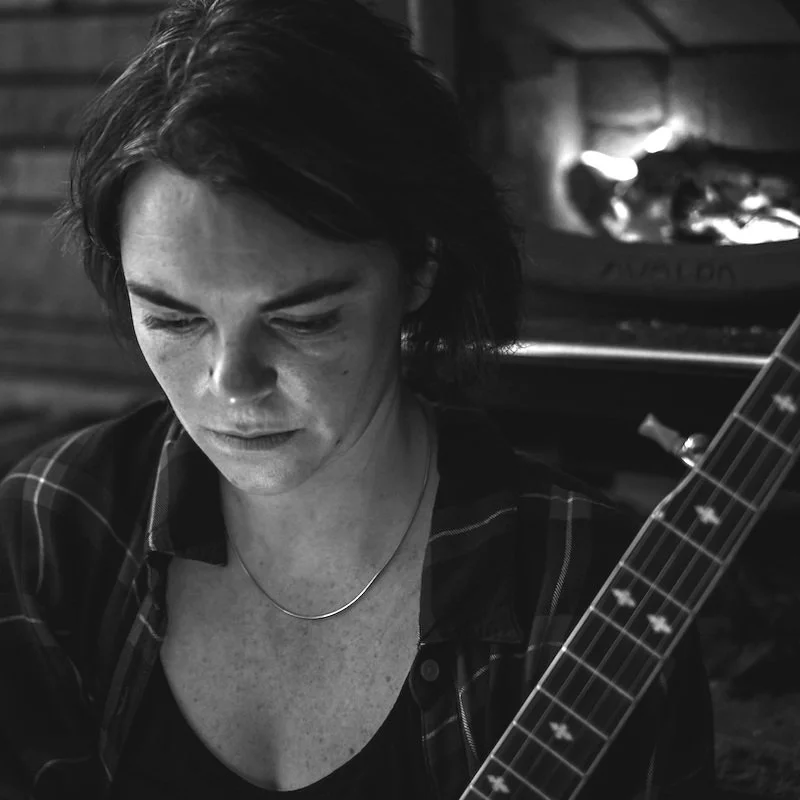
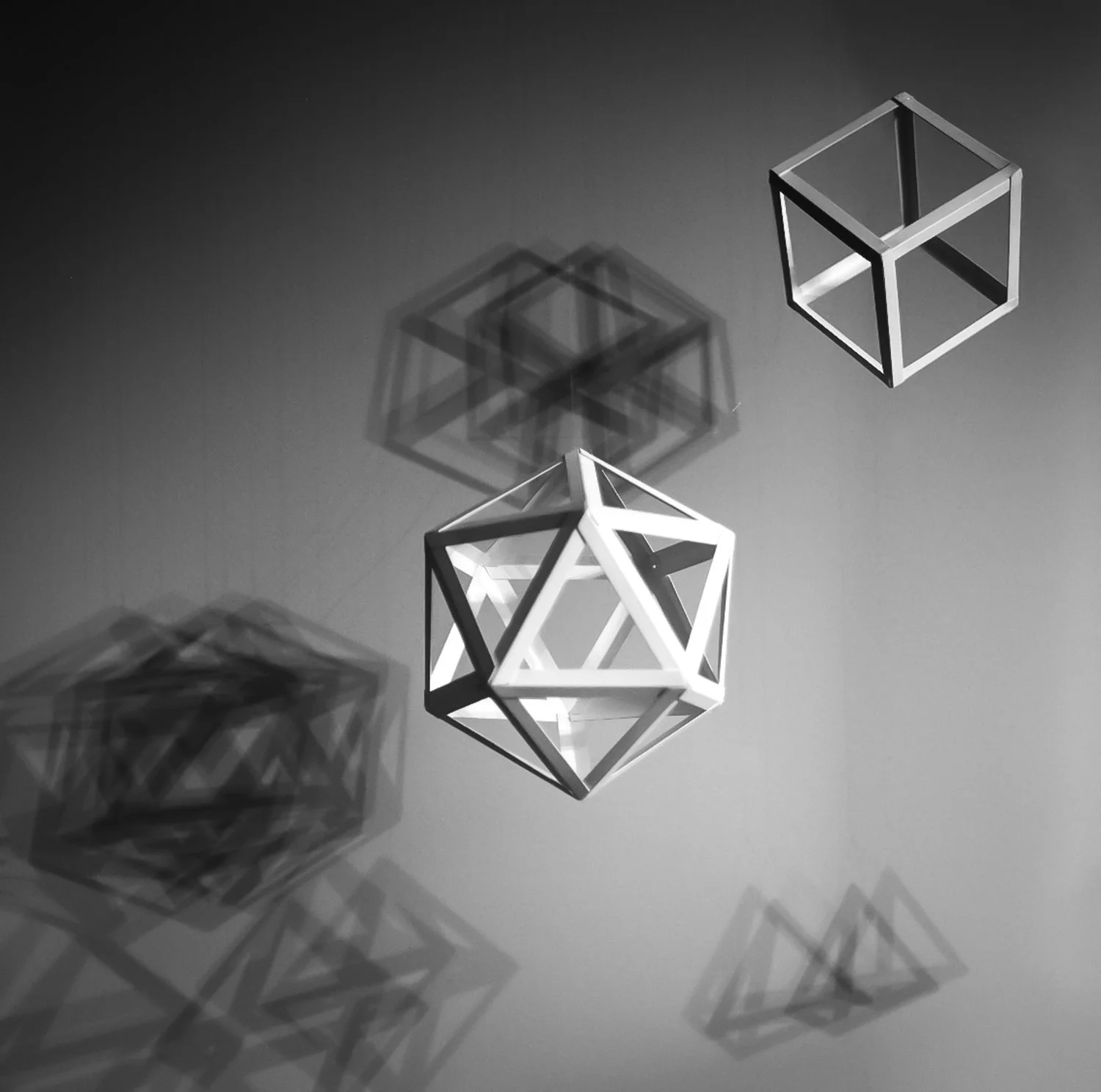
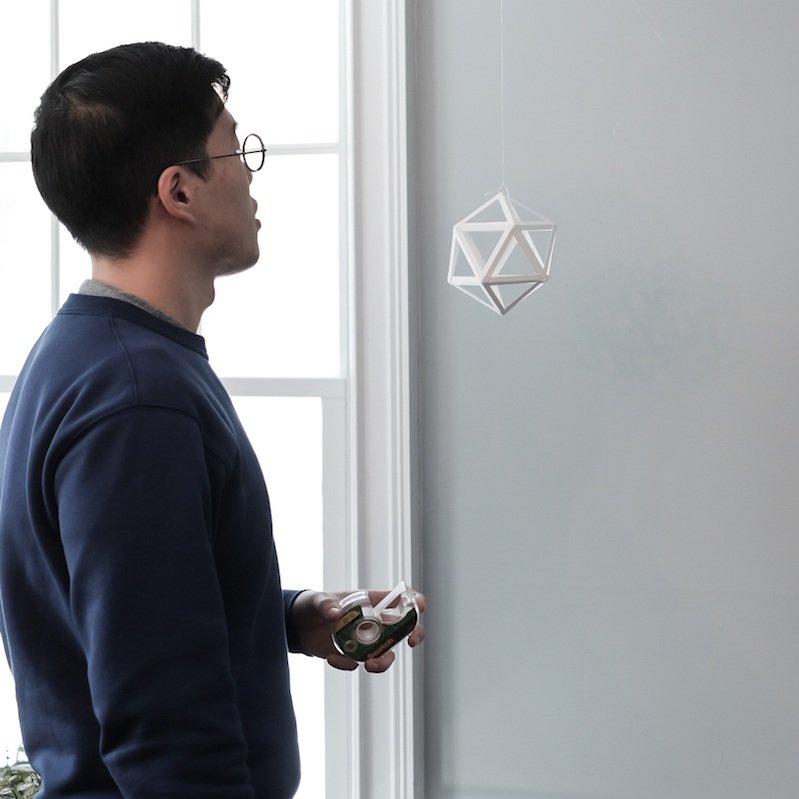
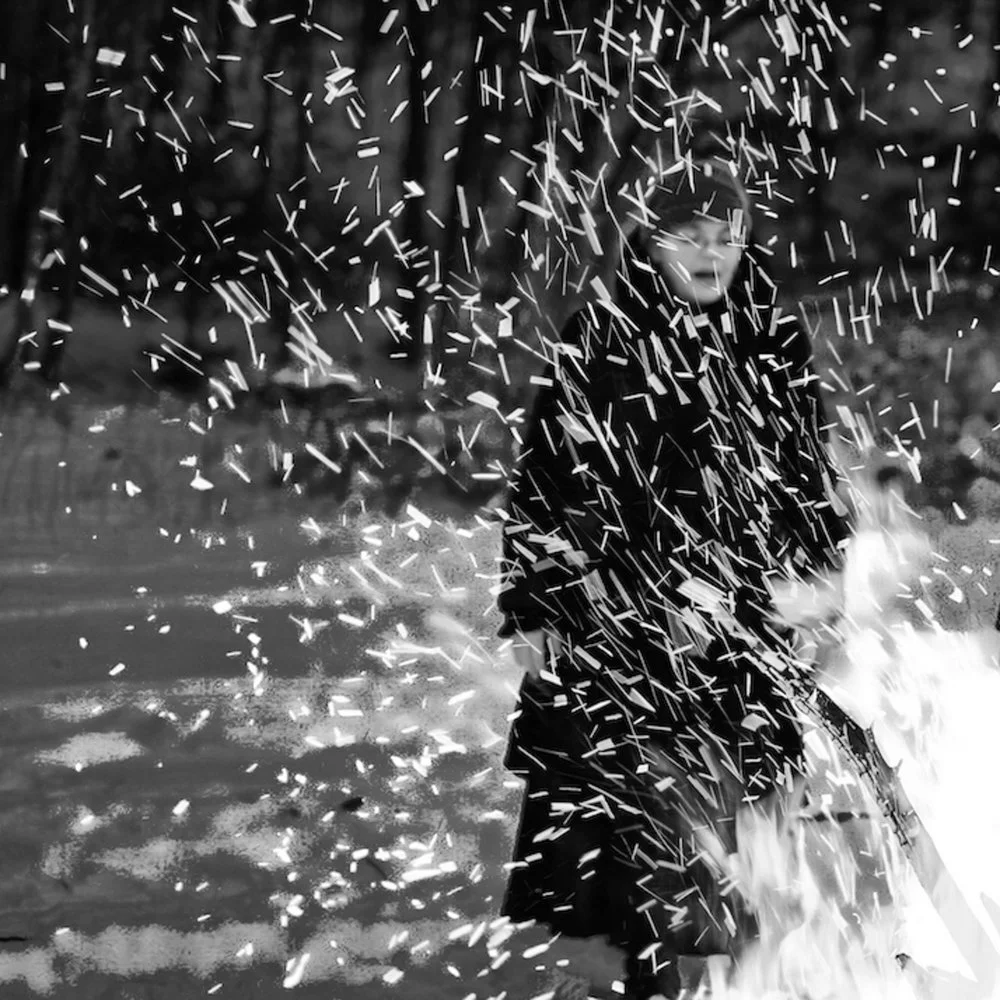
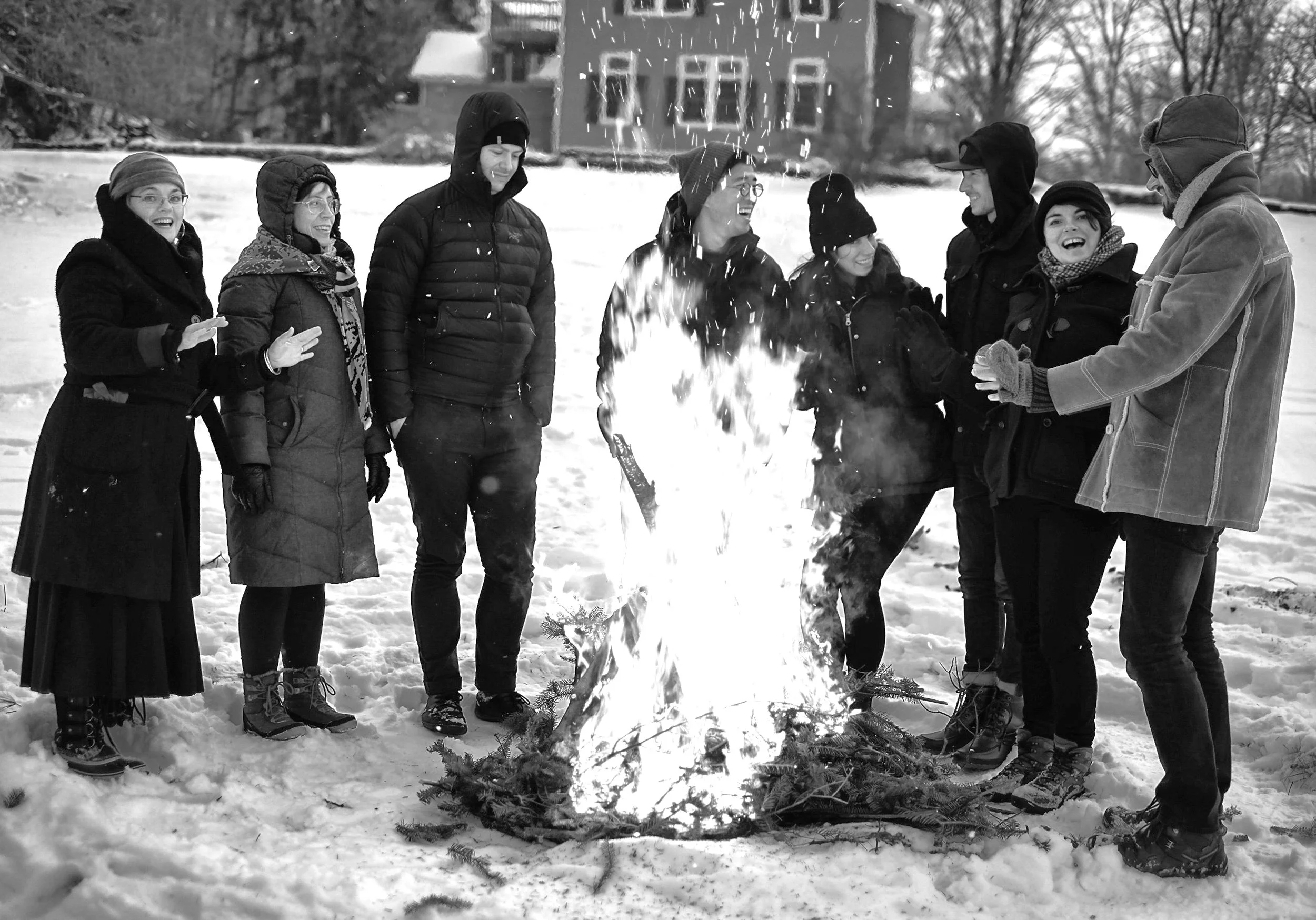
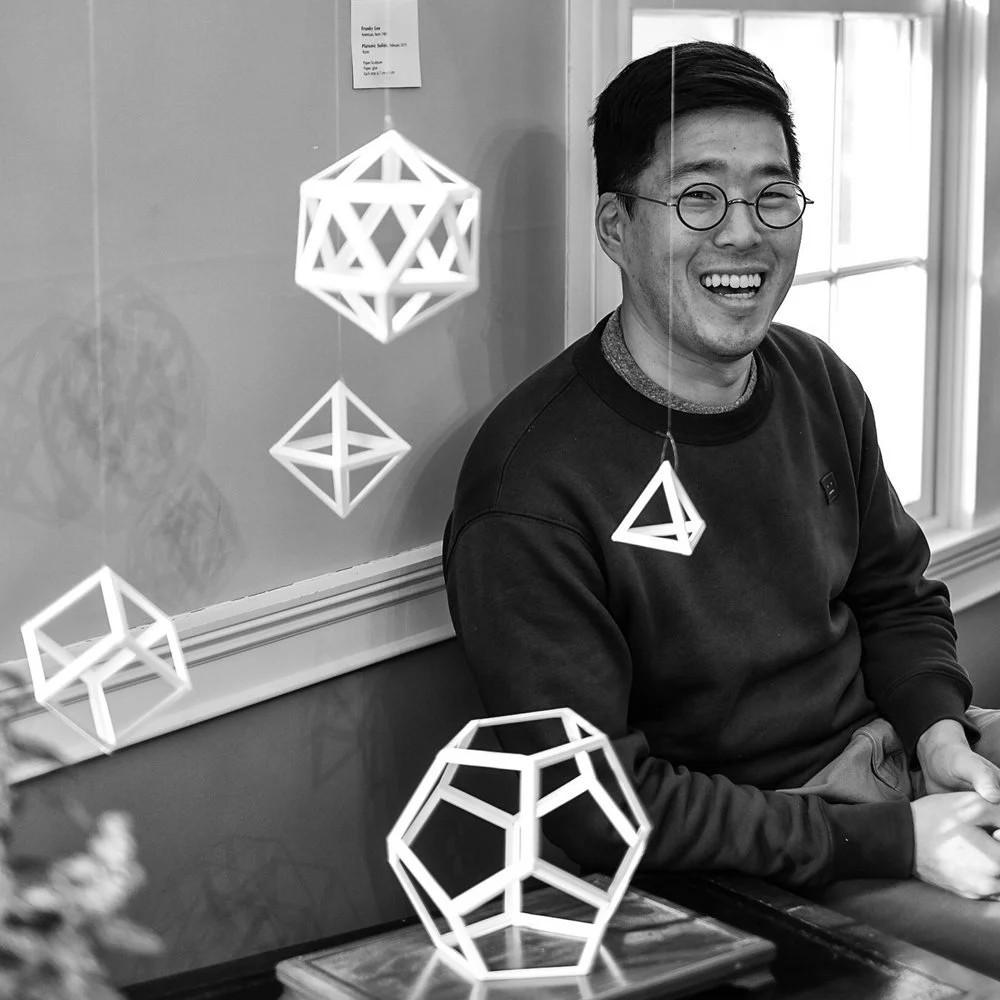
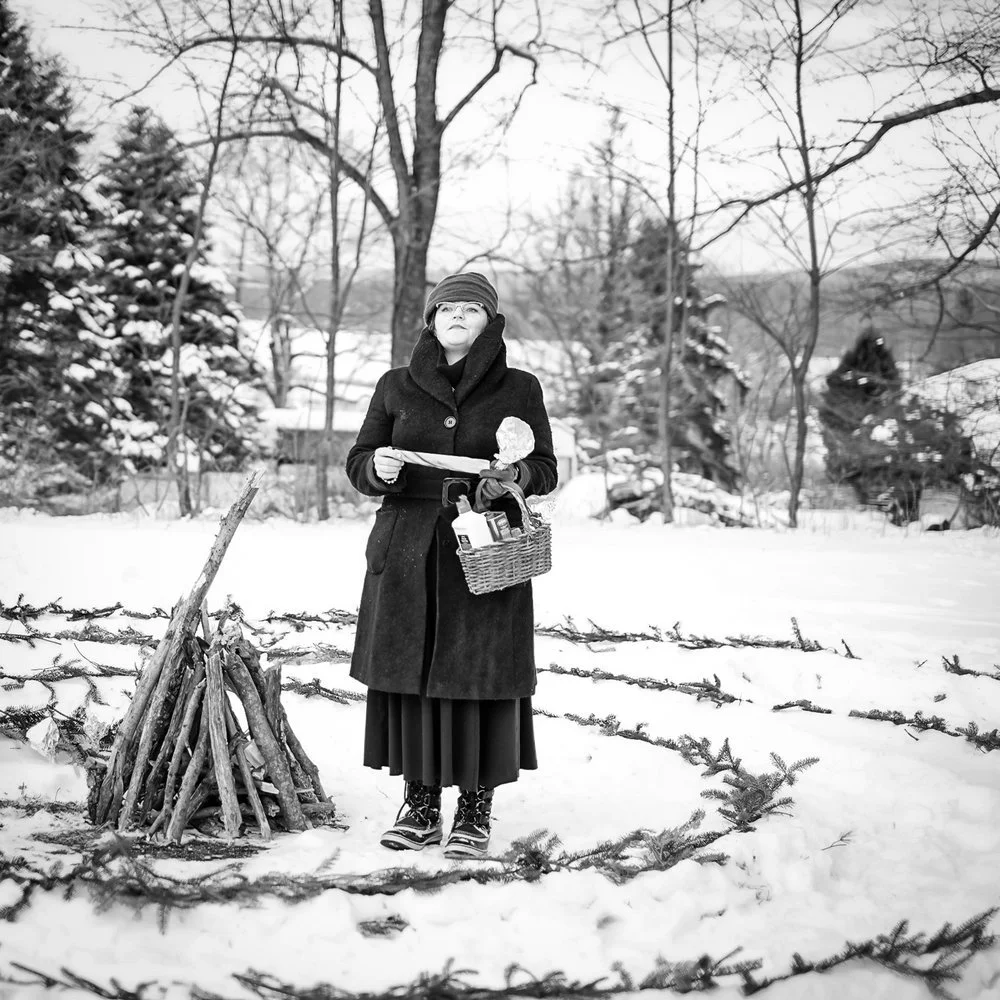
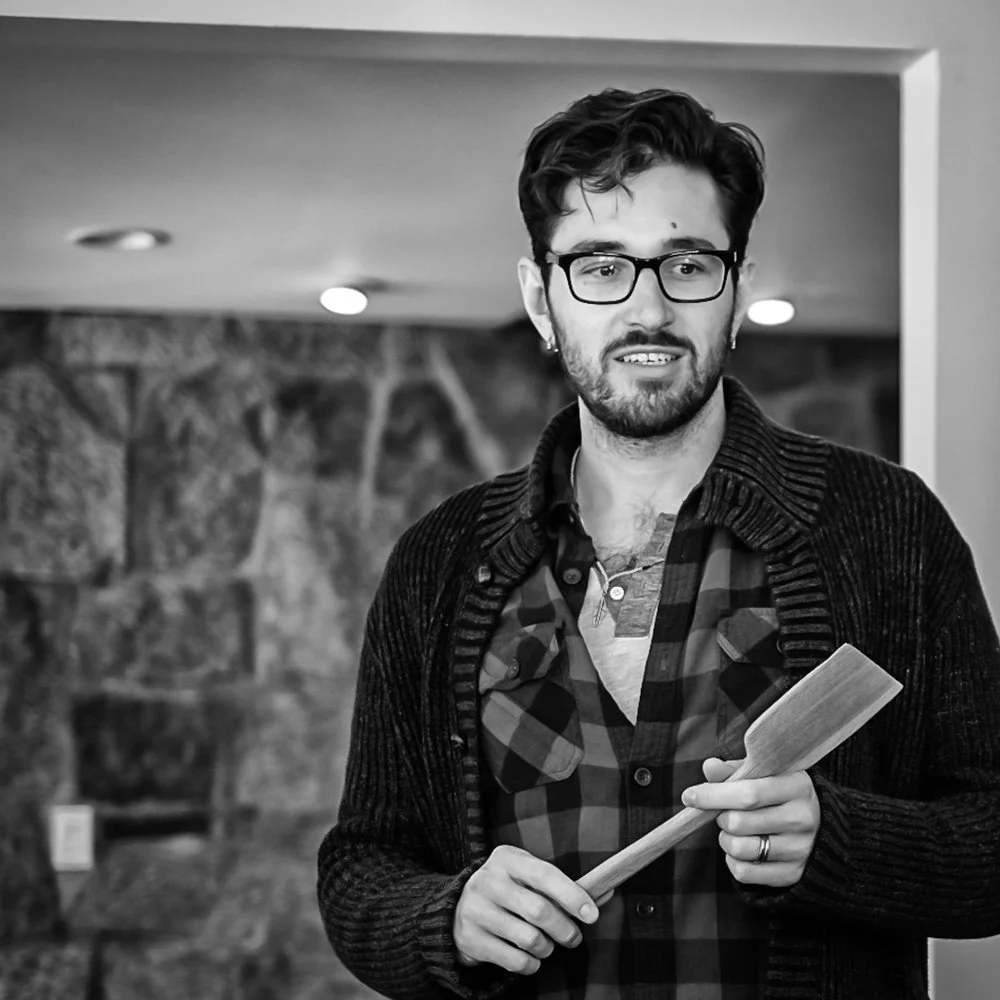
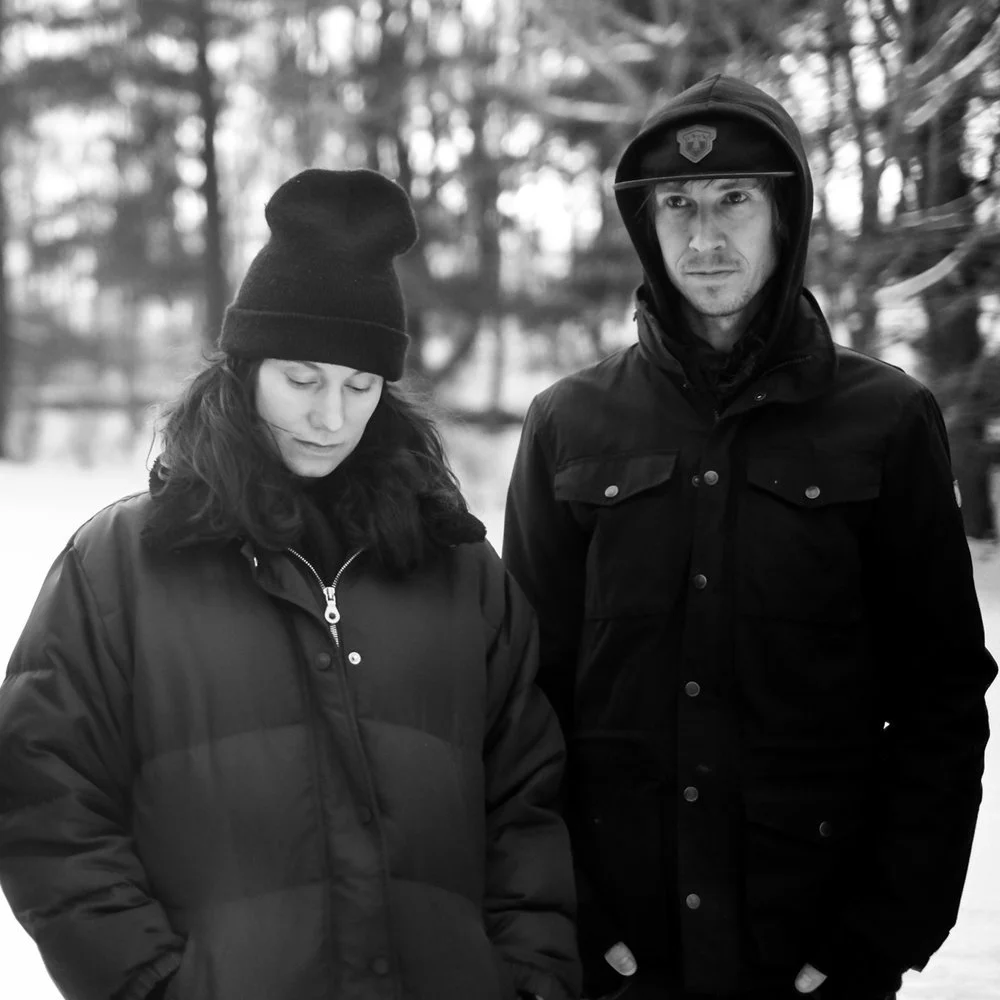
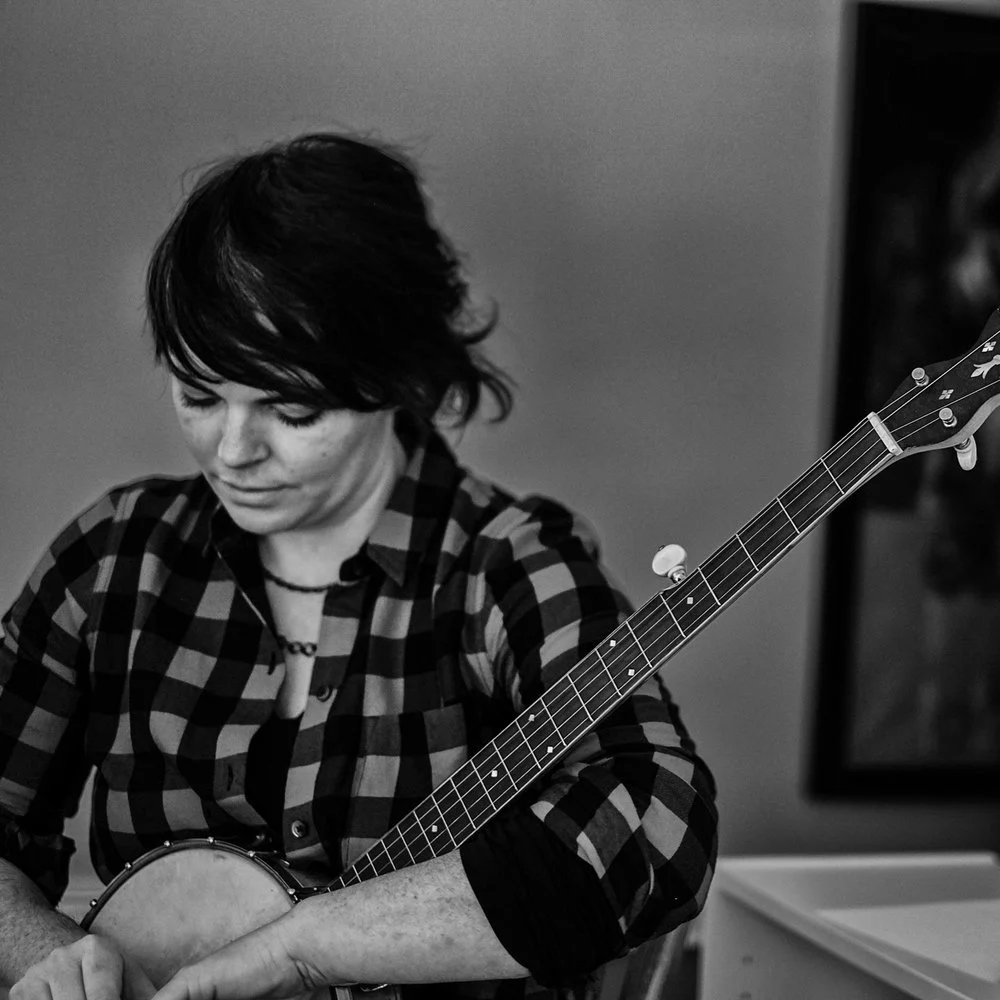
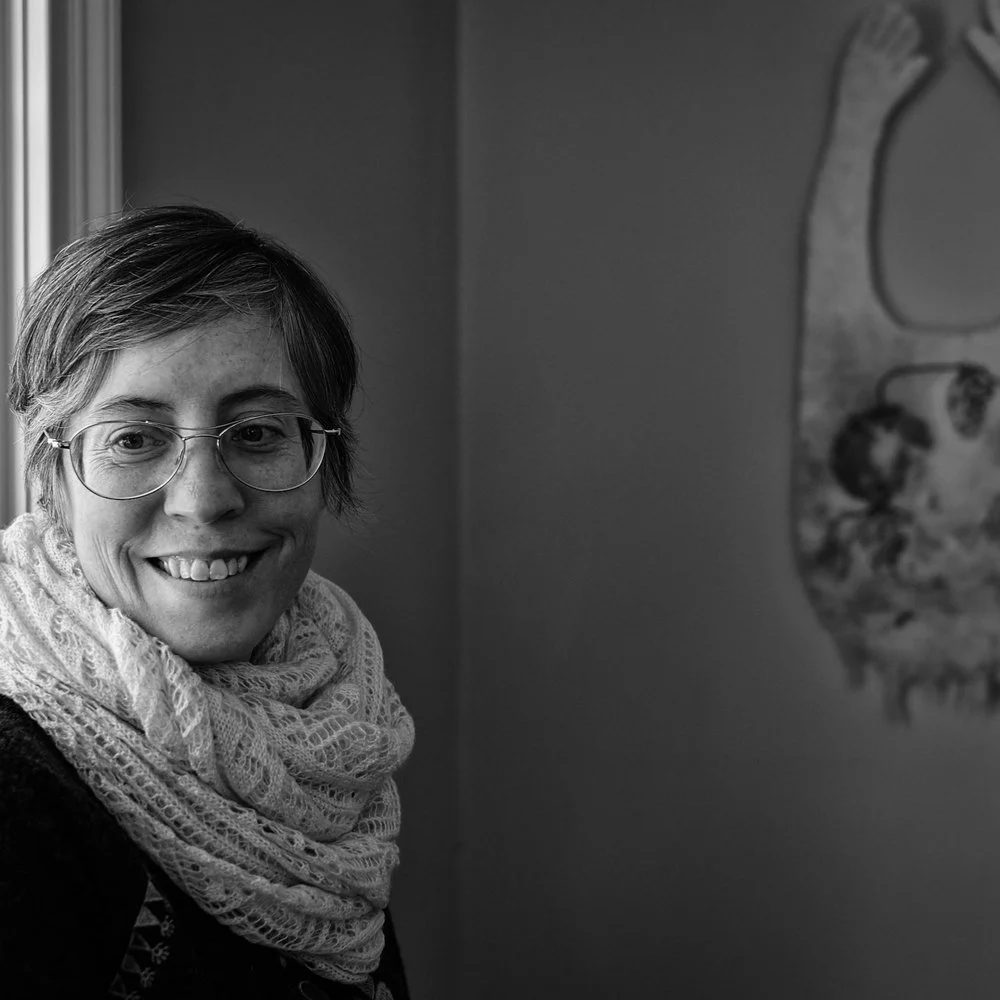
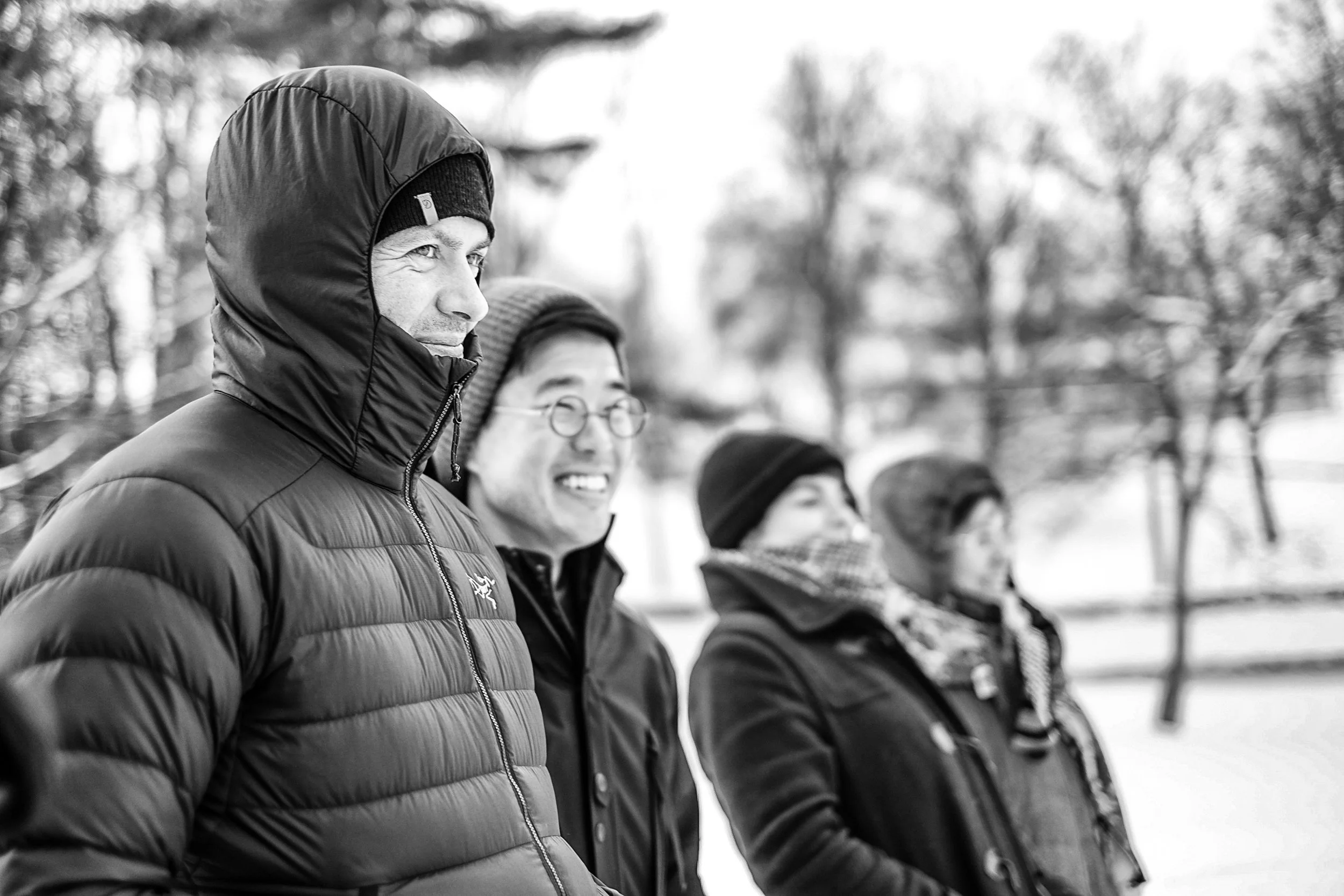
My photographs are intimate. They are portraits of surprise, pain, joy - moments of life. I generally take photos of people, but even my landscape photos are portraits of a delicate life.
Matsuo Basho, a 17th century haiku poet, instructed his students on how to write haiku,
In composing haiku there are two ways: “becoming” and “making.”
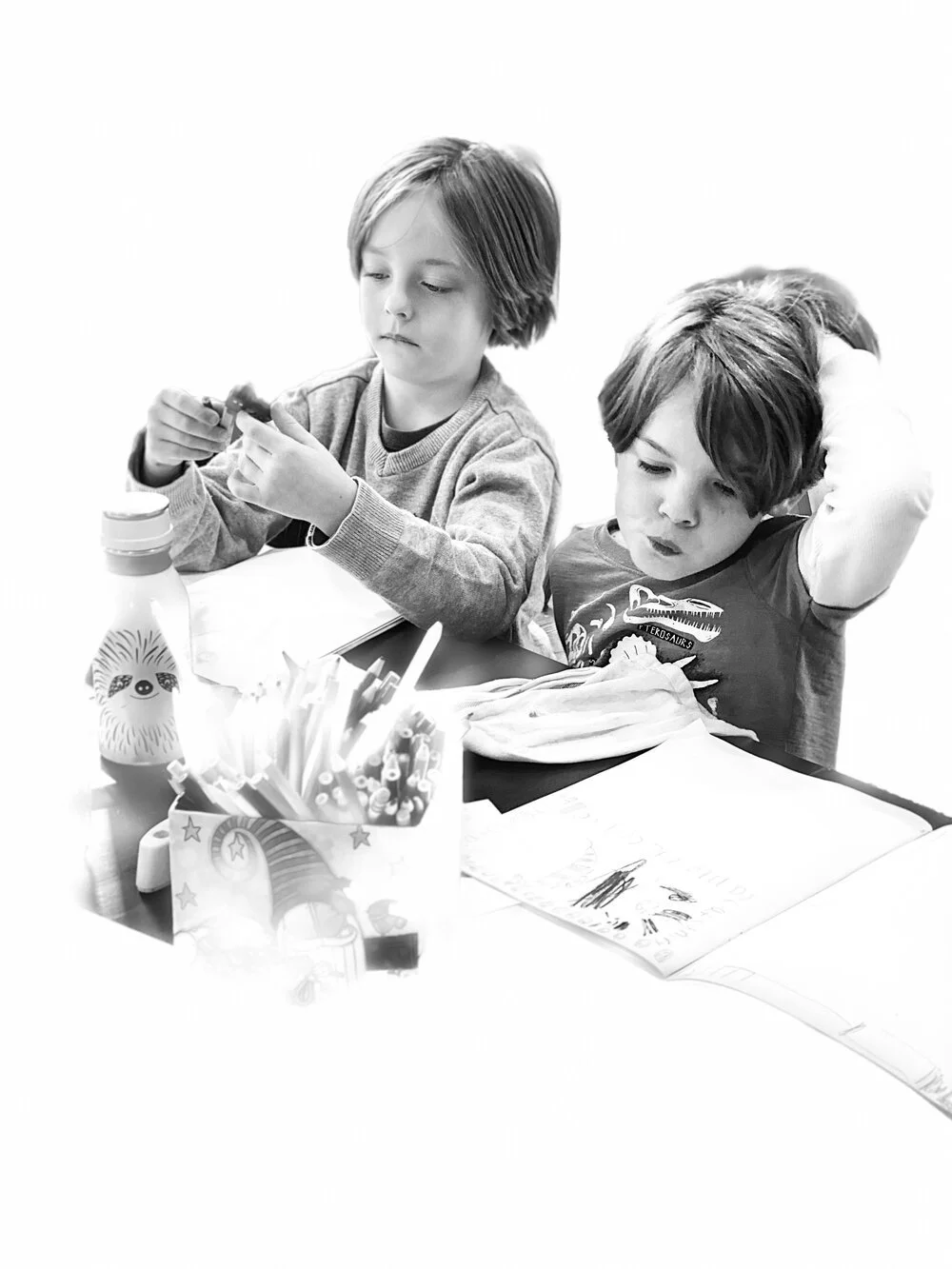
mbfitzmahan. Homeschool. New York. 2020
Basho made a distinction between these two ways of creating art, and supported “becoming” and viewed “making” as inferior, inauthentic.
Basho taught,
For a haiku poet, to learn from nature should mean to submerge himself, to perceive the delicate life and feel its feelings, out of which a poem forms itself.
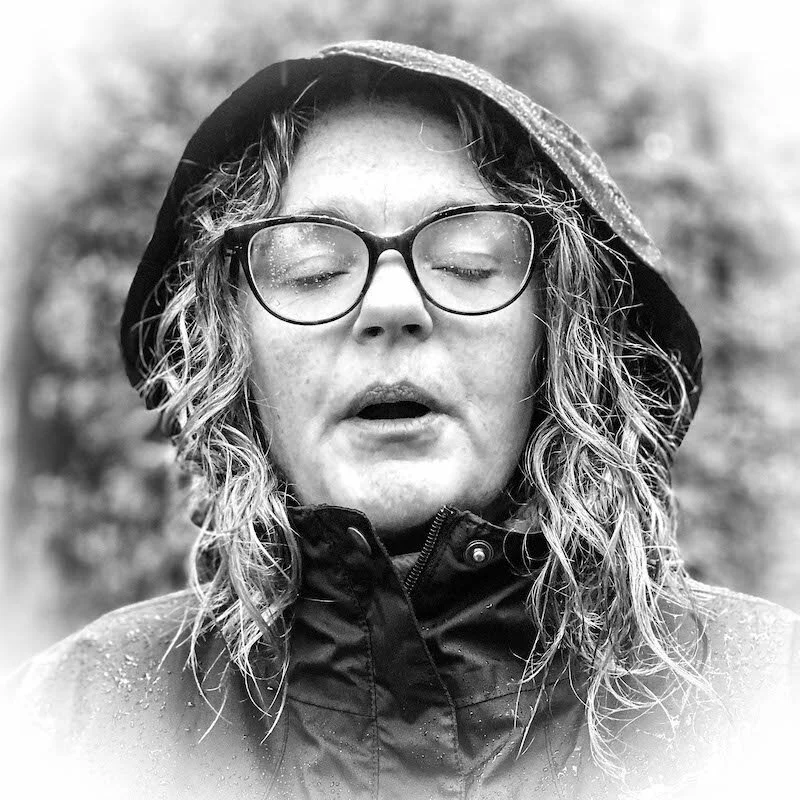
mbfitzmahan. Erin in Anshin, the woods. 2021.
Makoto Ueda, a scholar on Basho, wrote that Basho believed that,
Beauty in nature is a manifestation of the supreme creative force which flows through all things in the universe, animate and inanimate.
The artist can depict this force “when the object enters his mind and dyes it in its own color, whereupon a poem emerges by itself.
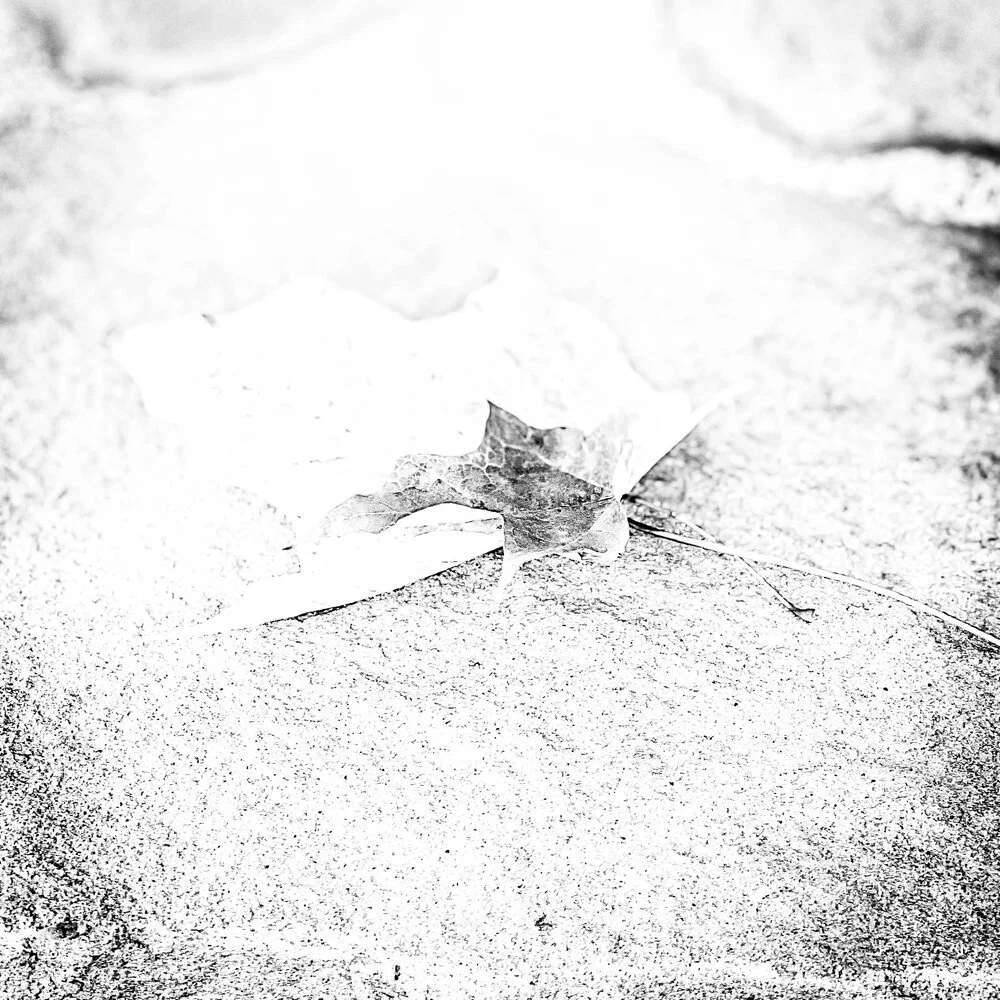
mbfitzmahan. Hudson Valley. 2020.
Makoto Ueda, “Basho and the Poetics of “Haiku.” The Journal of Aesthetics and Art Criticism, Vol. 21, No. 4 (Smuuer, 1963), pp. 423-431. The full article is accessible at JSTOR at https://www.jstor.org/stable/427098?seq=1.
The photographs are of 2020 in the Hudson Valley, New York.
The words and photographs are by Maureen Fitzmahan.
Maureen Fitzmahan, living in the Hudson Valley, is a founding member of the Art Junket (2015-2022).