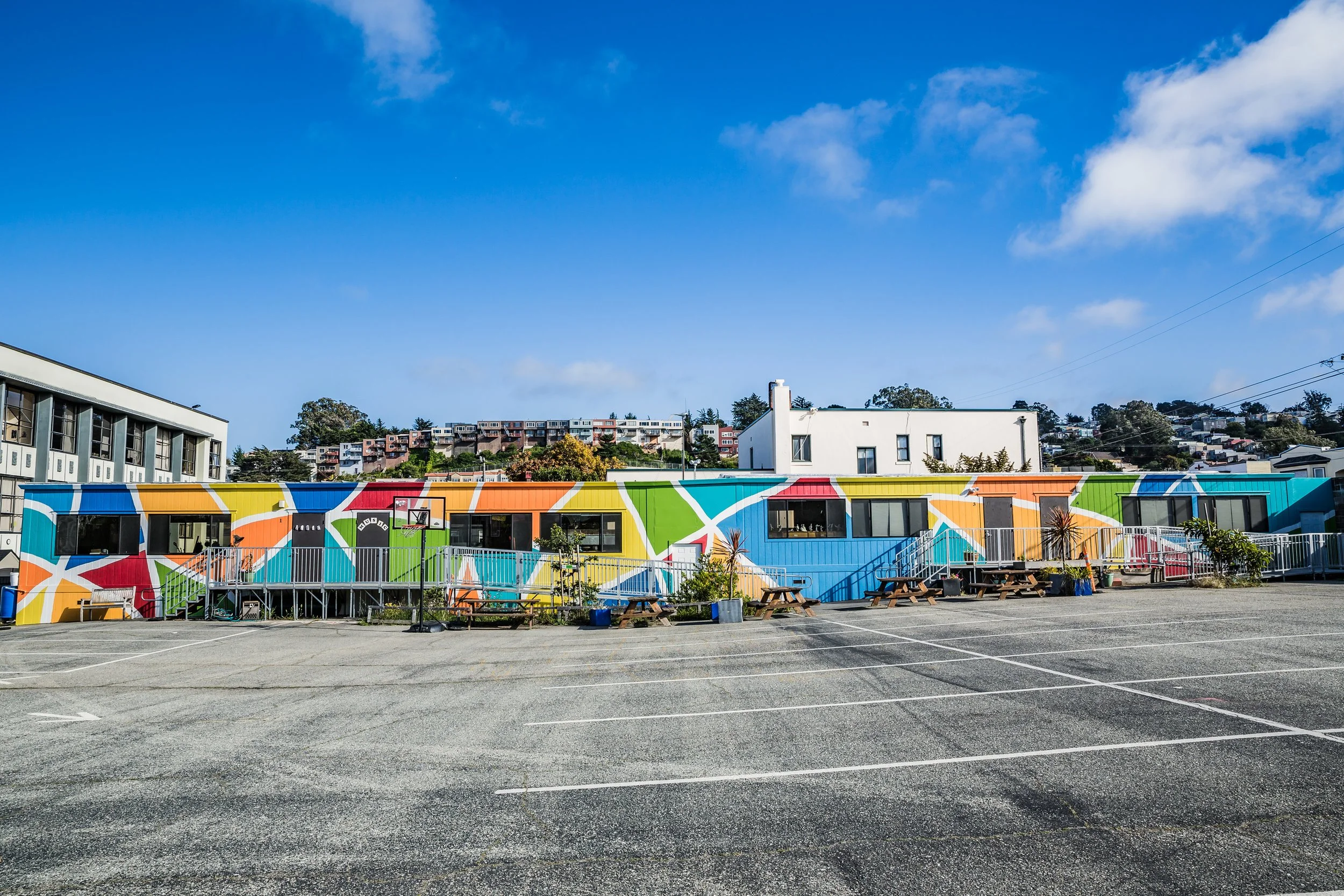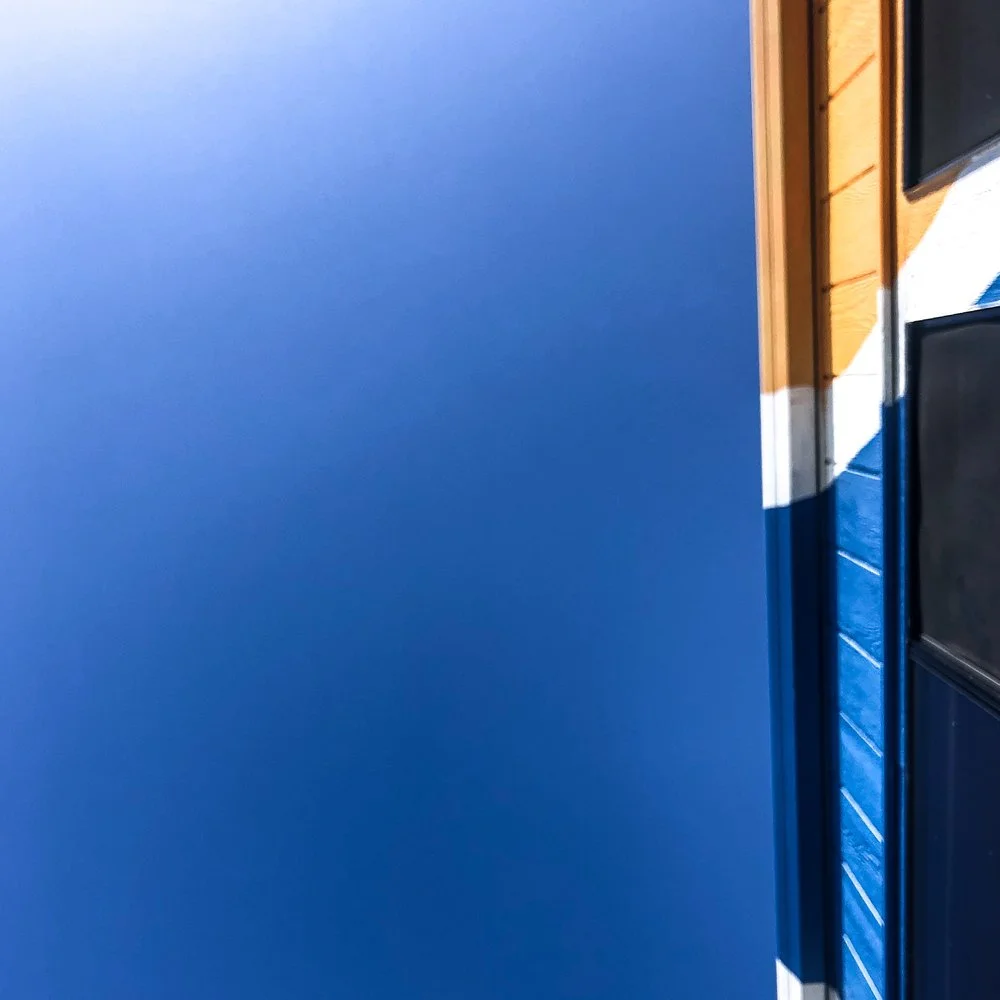
Negative Space
Gates appeal to me because of the negative space they allow. They can be closed but at the same time they allow the seasons and breezes to enter and flow. They can shut you out or shut you in. And in some ways there is no difference. Bob Dylan, 2013
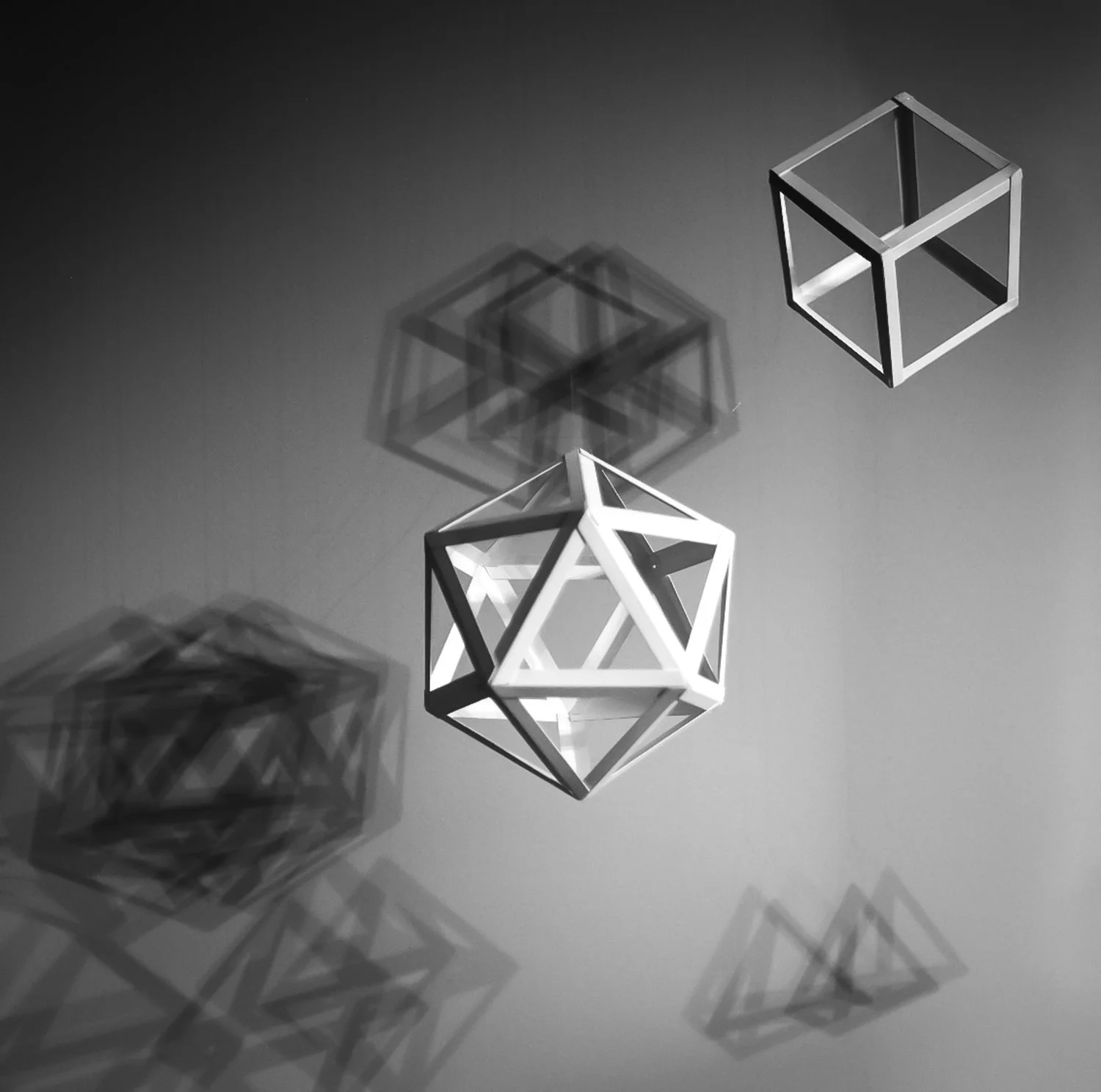
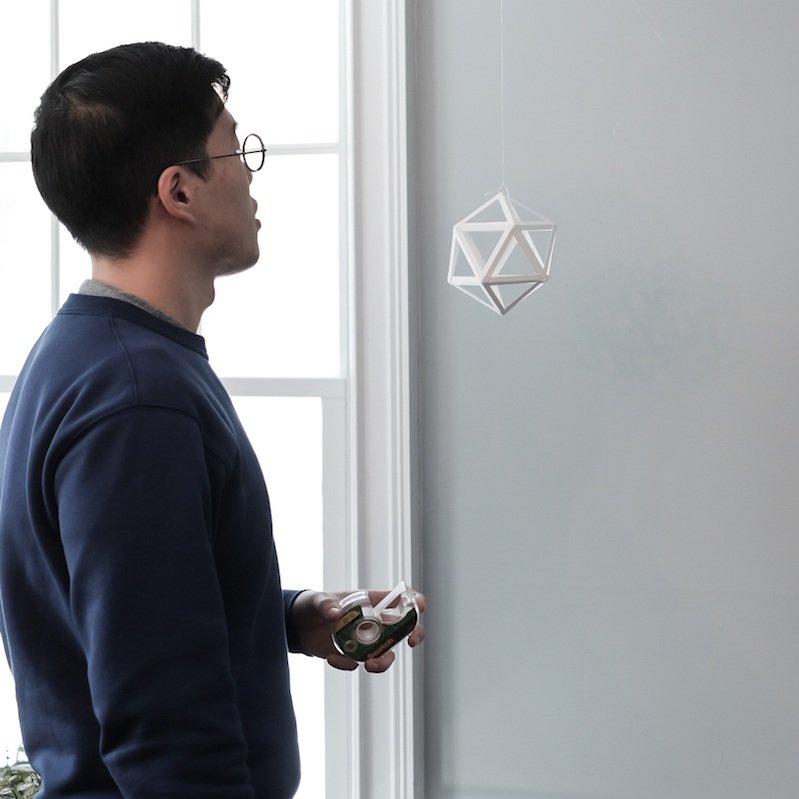
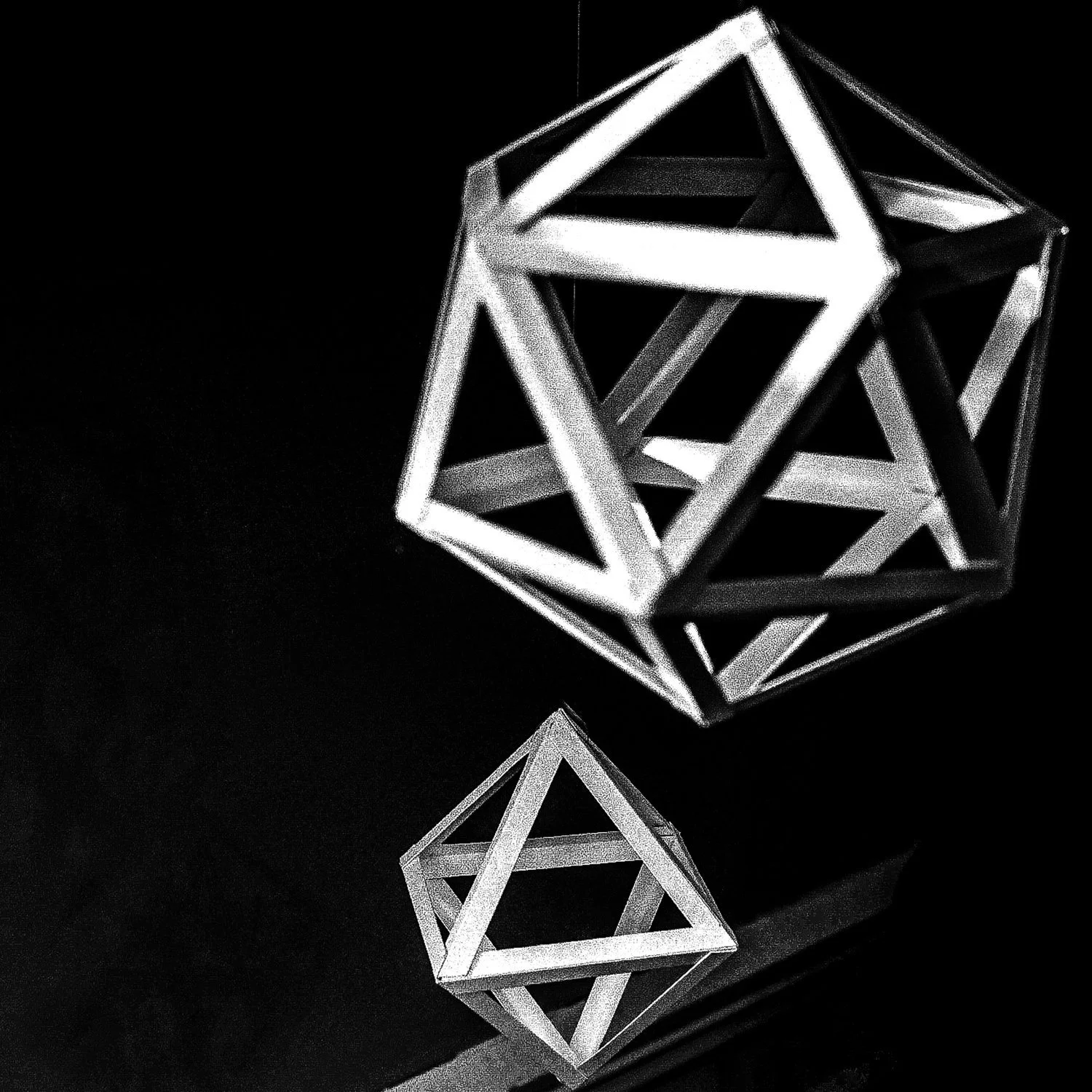
Negative space gives the observer some breathing room, a place to relax before moving on. The negative space in a composition may also help to shift the eye of the observer from a void to a place of focus. East Asian art effectively made use of the concept of emptiness.
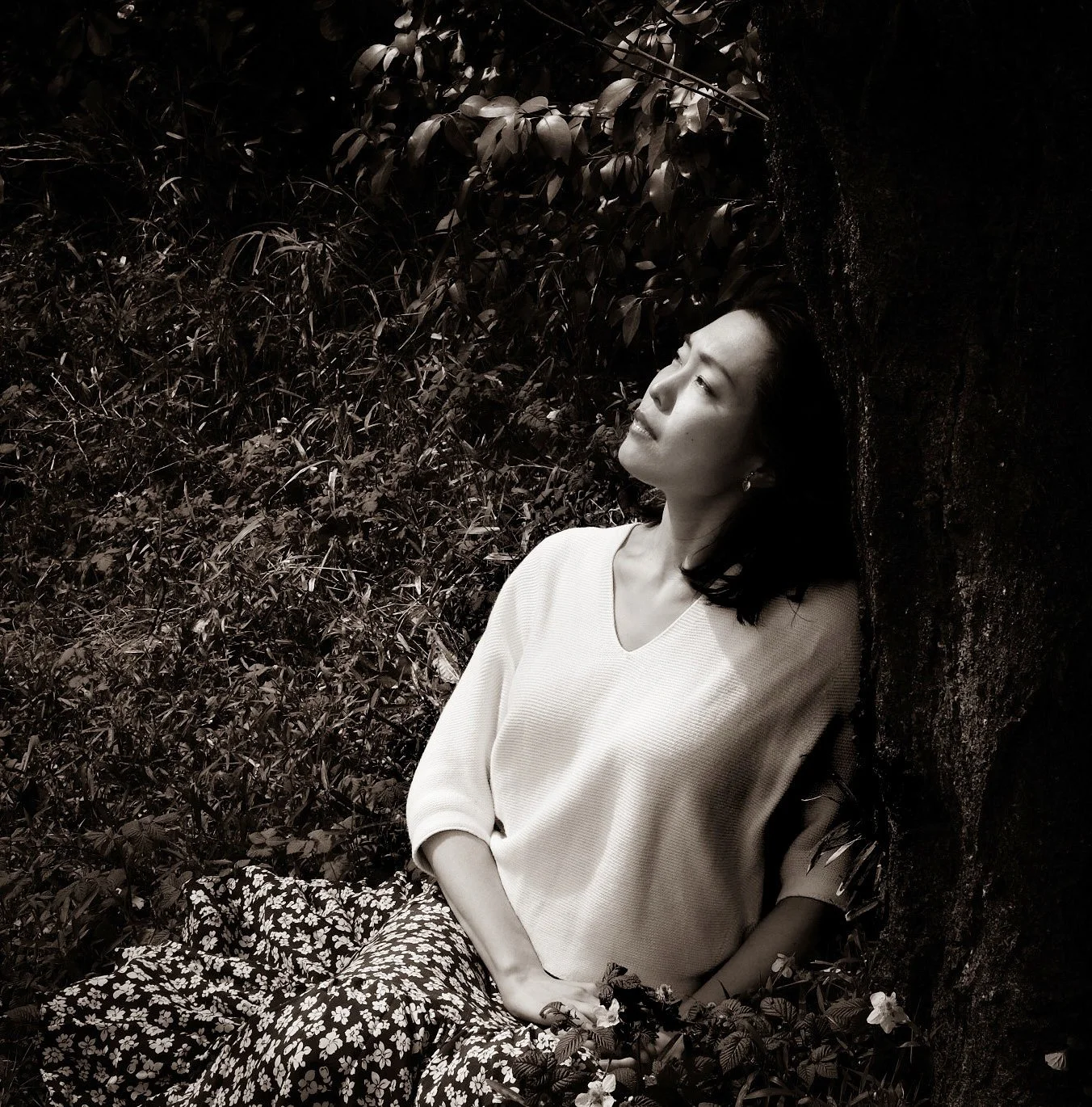
mbfitzmahan. Eri Watanabe. Tokyo, Japan. April 2022.
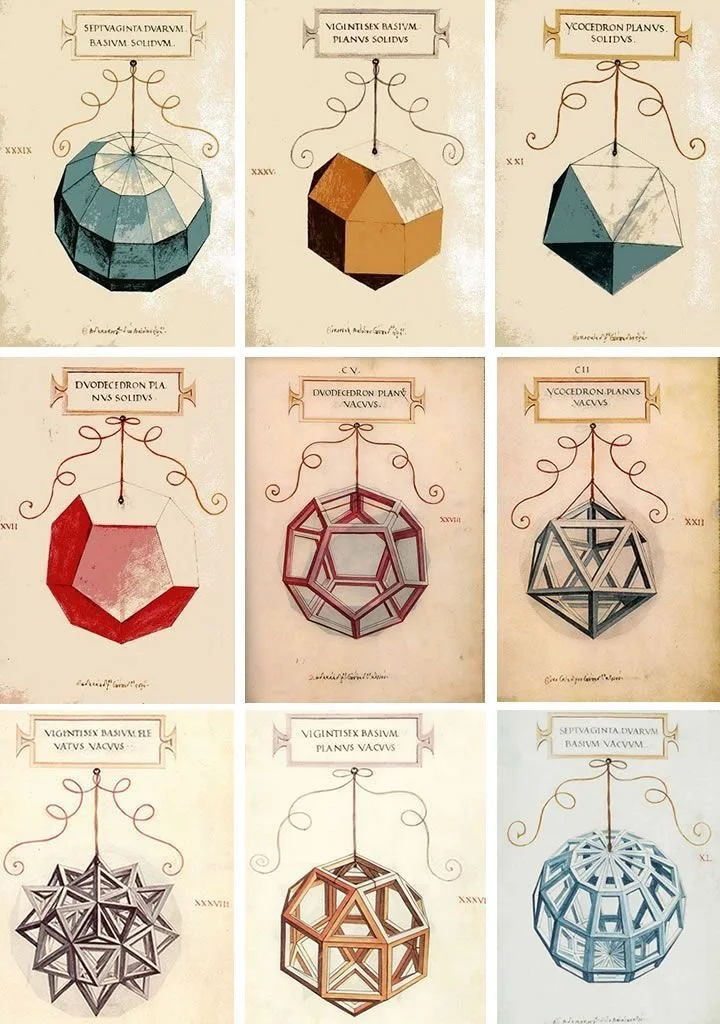
Negative space is the empty space around the positive image of a painting, a photo, even within a garden. Negative space is far from empty. Negative space can form an artistically interesting shape, and may be the real subject of an image.
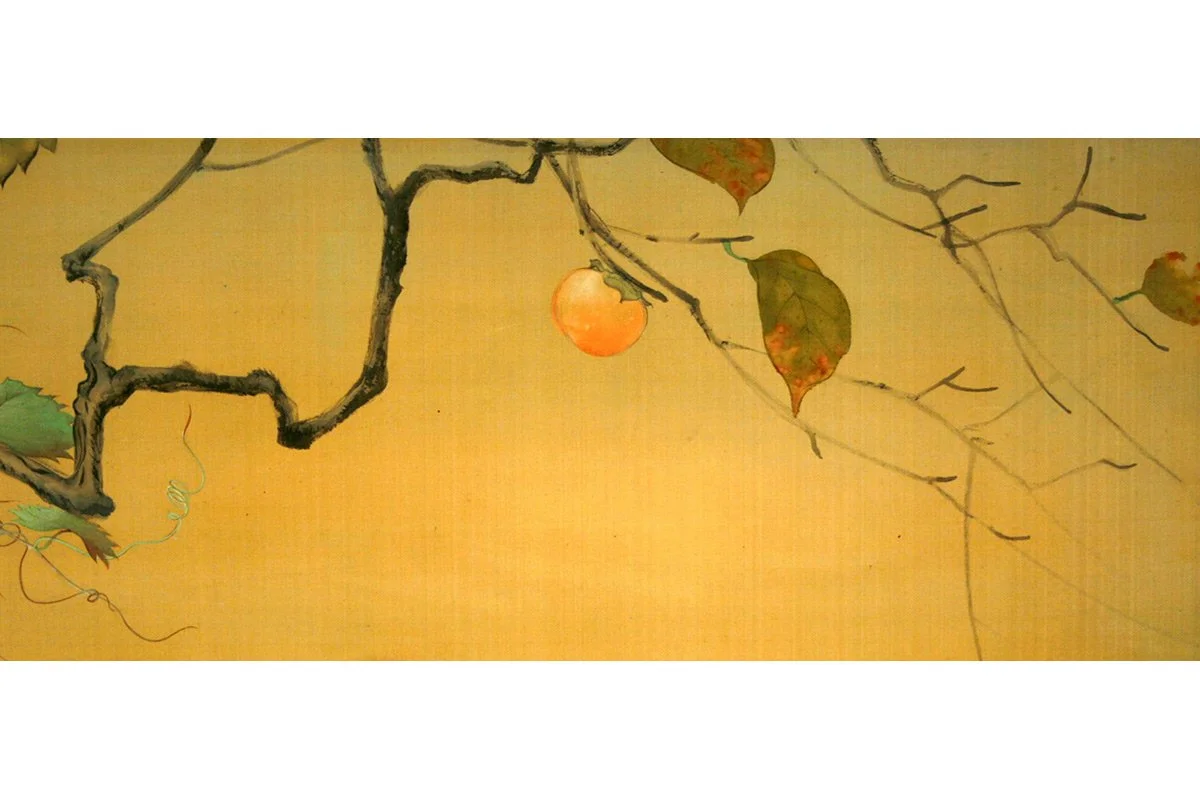
Toda Hokuyo, Painting of Squirrels Playing in a Persimmon Tree, ~1924
Negative space in Japanese is yohaku no bi, 余白の美, i.e. the beauty of a white space. Negative space is used in sumi-e paintings as well as in other art of Japan and China. It is this aesthetic that influenced the simple tatamis and shoji in a Japanese home. I am especially a fan of the white walls, aromatic grass tatami, and shoji that divide the rooms and allow a diffused light to come in from the outside. The Japanese admire a space between, also calling it ma, 間, or aida, a kanji used in everyday Japanese to mean in between.
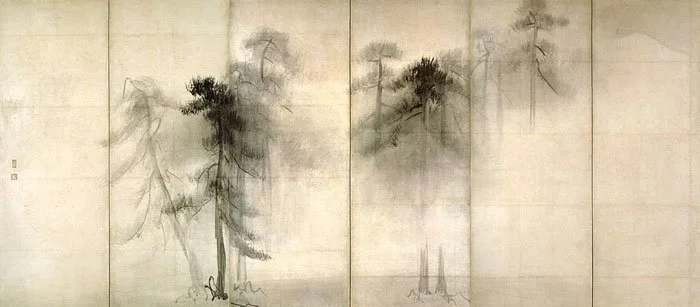
Right panel of the Pine Trees screen Shōrin-zu byōbu 松林図 屏風 by Hasegawa Tōhaku (1539–1610).
19th and 20th century modern European painters used yohaku no bi in their paintings. After 1854 when the Japanese were forced to open their borders after 250 years of strict isolation, Japanese prints, paintings, and fine pottery were sent to Europe and North America. Europeans were ecstatic to see these ‘exotic’ new pieces of art and bought all they could find. Van Gogh, Paul Gaugin, Monet, Mary Cassatt, and Edgar Degas copied the styles from Japan. Later Dalí incorporated these ideas into his work.
It is this admiration of negative space, that has led to an appreciation in the West of the minimalism seen in Asian art and perceived life style. Yohaku no bi is the aesthetic that influenced Japanese author, Marie Kondo’s book The Life-Changing Magic of Tidying Up (2011).
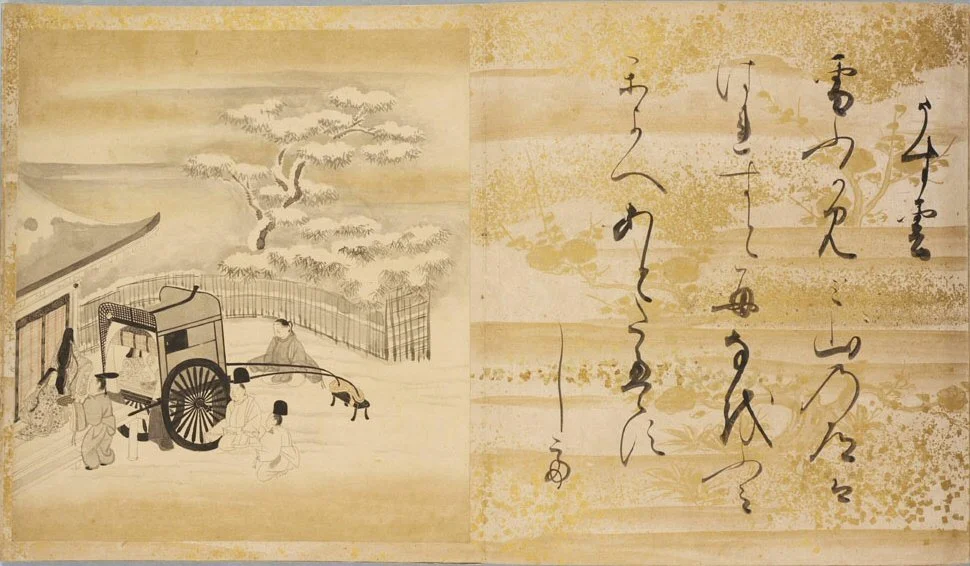
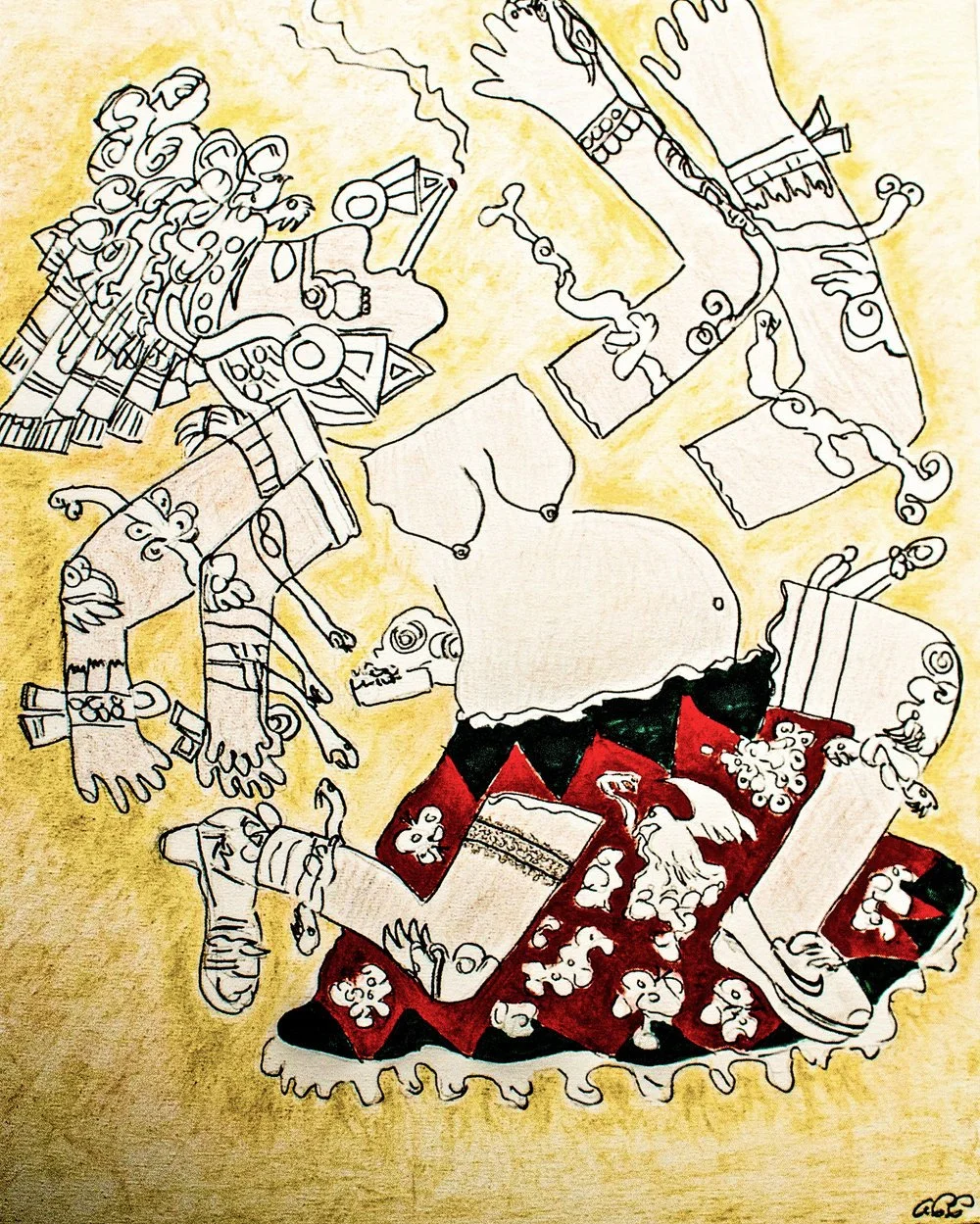
Sumiyoshi - The Tale of Genji (Genji Monogatari), 1600s
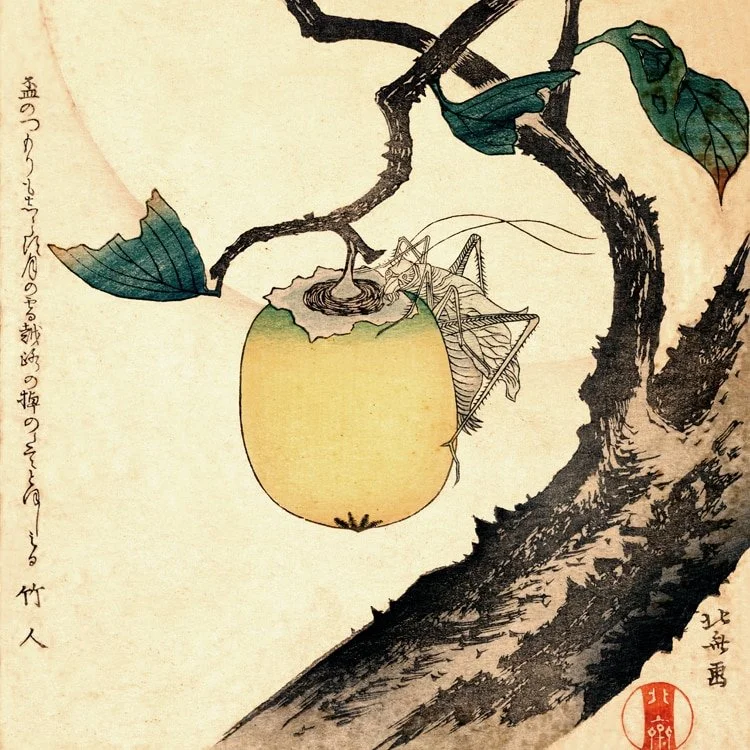
FIRST ART WORK: Katsushika Hokusai. Moon Persimmon and Grasshopper. 1807.
WORDS: Maureen Fitzmahan