Salvador Dali: Level Up


Salvador Dali

Here’s to the crazy ones, the misfits, the rebels, the troublemakers, the round pegs in the square holes… the ones who see things differently — they’re not fond of rules… You can quote them, disagree with them, glorify or vilify them, but the only thing you can’t do is ignore them because they change things… they push the human race forward, and while some may see them as the crazy ones, we see genius, because the ones who are crazy enough to think that they can change the world, are the ones who do.

Apple's THINK DIFFERENT advertising campaign. 1997-2002. Designed by TBWA/Chiat?Day ad agency. Text by Craig Tanimoto. Narrated by Richard Dreyfus and Steve Jobs. 1997.
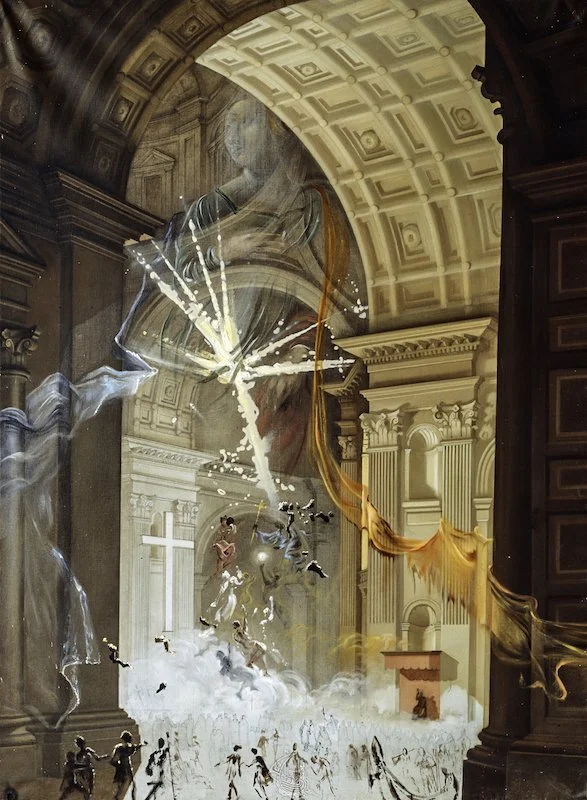
Salvador Dalí. Explosion of Mystical Faith in the Midst of a Cathedral. 1959 - 1974.

Salvador Dali wasn’t a surrealist. Picasso wasn’t a Cubist. These iconic artists of the 20th century were explorers.

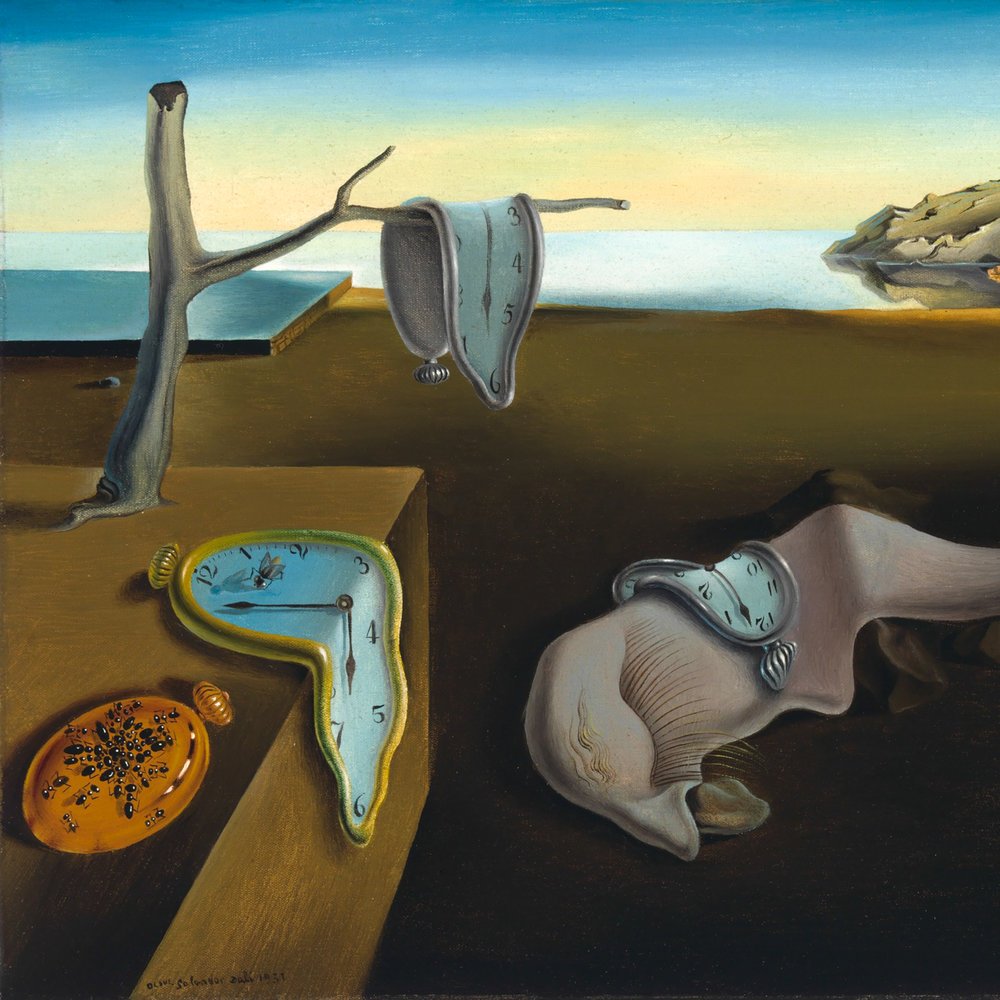
In March 2019 I visited the Dalí Theater Museum in Figueres, Catalonia, Spain. There are some paintings of Dalí I have liked for a long time. You know, the melting clock one: The Persistence of Memory. Or, a close up of Jesus Christ hanging on the cross in a darkened sky: Christ of Saint John of the Cross. When I was in my mid 20s I bought a Bible illustrated by Dalí’. It is the family Bible in our house today. I have to admit, though, that there are many of Dalí’s works that I just thought were plain weird.

When we visited Catalonia last Spring, we traveled to Figueres just to see the museum Dalí designed.I must confess, I was worried this would be a wasted trip. I needn’t have worried. We spent three hours discovering art in all its forms. We climbed a ladder to see an art installation that revealed a room that transformed into the face of Mae West. We stood on a viewing platform to view a corner of the vaulted courtyard where we found an abstract painting that metamorphosed into a face of Abraham Lincoln. Nothing in that building was boring or plebeian. Some art was strange, others were breathtakingly beautiful. The walk through the museum was an experience unlike one I have ever had before.
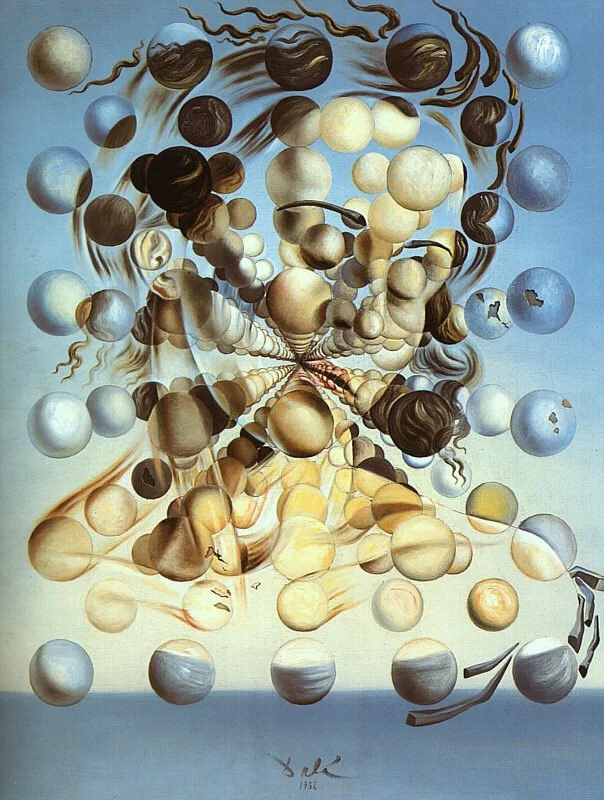
Salvador Dalí. Galatea of the Speres. 1952.

Dalí was the Marco Polo of art. He painted, sculpted, and made etchings and murals. He designed buildings and jewelry. He experimented with realism, cubism, surrealism, photography and film. He incorporated Renaissance painting into his art. Dalí unapologetically copied the art from centuries of other artists. He adopted ideas from Catholicism and modern science.

My favorite piece in the museum was Dalí’s Explosion of Mystical Faith in the Midst of a Cathedral. We saw a large copy of the painting in one room and then went in search to find the original. As if we were in an Escape Room, we searched throughout the museum for clues. I pride myself in being a consummate mystery solver after years of reading Louise Penny and Tony Hillerman, and watching hours of British mystery series. We finally found the original in the courtyard. I say “found,” but we never saw the painting directly. We never saw this painting of 7.5 feet x 5.5 feet. Hidden behind another installation, the painting can only be seen as a reflection in a mirror.

Dalí worked on this painting in his studio for 15 years and it is one of Dalí’s least known works. And, yet, the painting brought tears to my eyes.
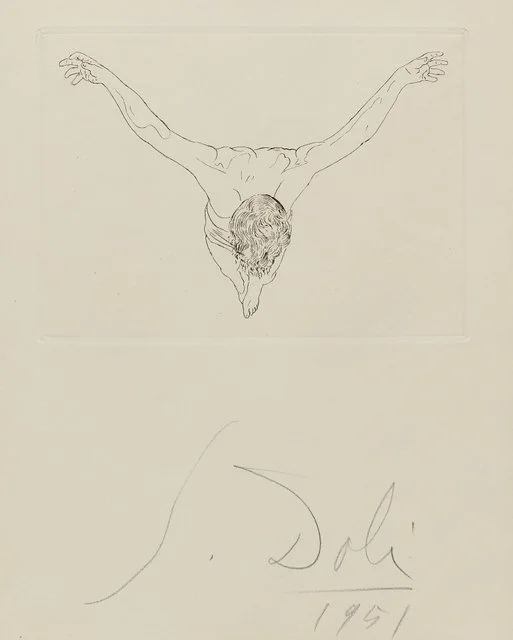
Salvador Dali. Manifeste mystique (Mystic Manifesto). 1951.

Dalí copied the face of the ascending saint from Raphael’s Saint Catherine of Alexandria, c. 1507. What stands out above all is the central explosion of white and yellow light. An energy bursts and shatters off the canvas. I felt myself standing amongst the figures scattered at the bottom of the canvas. Hoping to ascend.

Dalí said he was emotionally affected by the tragedy of the atom bombs dropped in 1945. After the war, he accused his fellow artists that their art' “comes so directly from the tube of their biology that they don’t even mix in even a bit of their heart or soul.”

Front page: Salvador Dalí, The Persistence of Memory. 1931. MOMA, New York City.

Words: Maureen Fitzmahan


Salvador Dalí. Explosion of Mystical Faith in the Midst of a Cathedral. 1959 - 1974.

Salvador Dalí. Galatea of the Speres. 1952.

Salvador Dali. Manifeste mystique (Mystic Manifesto). 1951.
Negative Space


Negative Space

Gates appeal to me because of the negative space they allow. They can be closed but at the same time they allow the seasons and breezes to enter and flow. They can shut you out or shut you in. And in some ways there is no difference. Bob Dylan, 2013
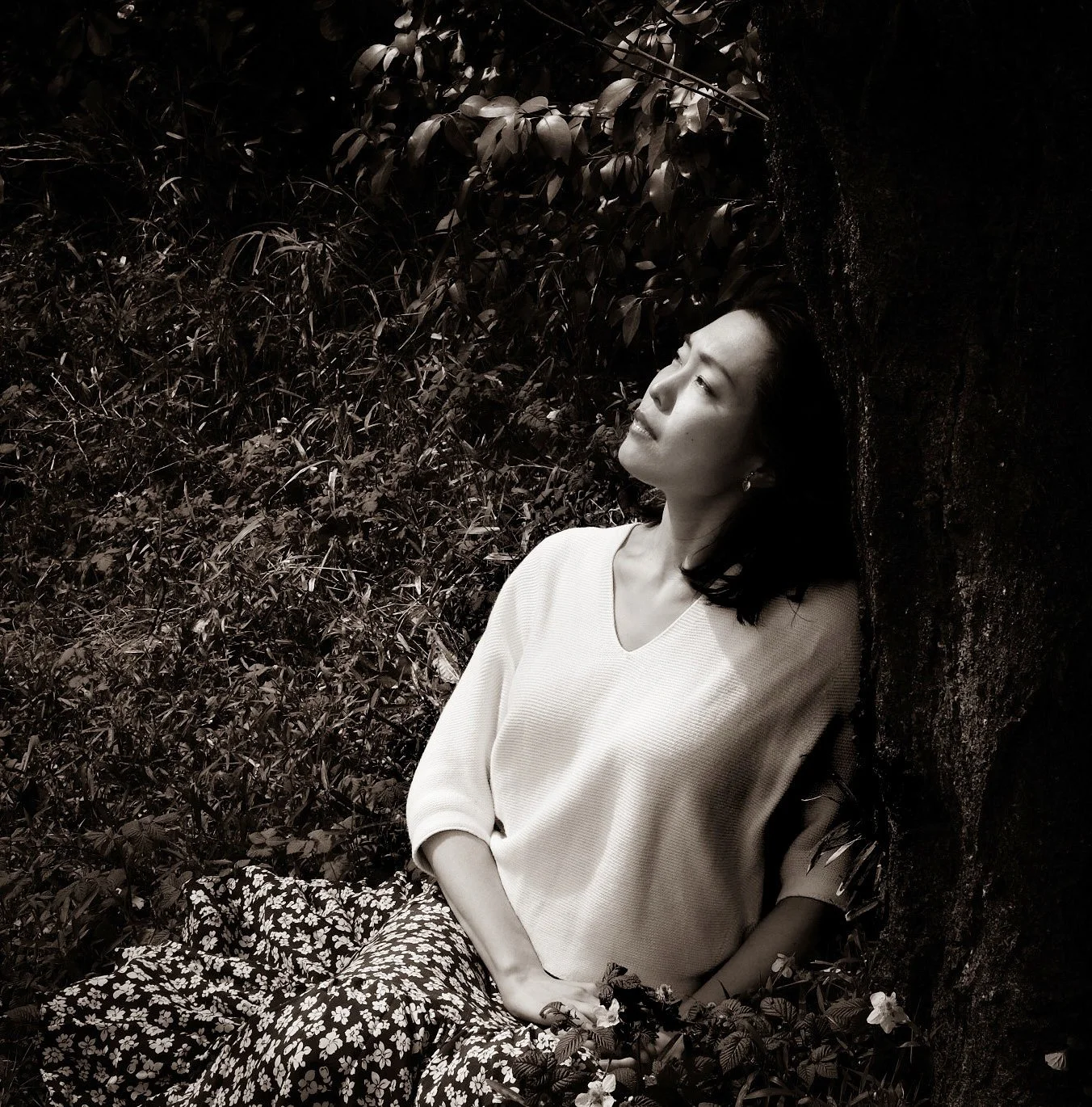
Negative space gives the observer some breathing room, a place to relax before moving on. The negative space in a composition may also help to shift the eye of the observer from a void to a place of focus. East Asian art effectively made use of the concept of emptiness.

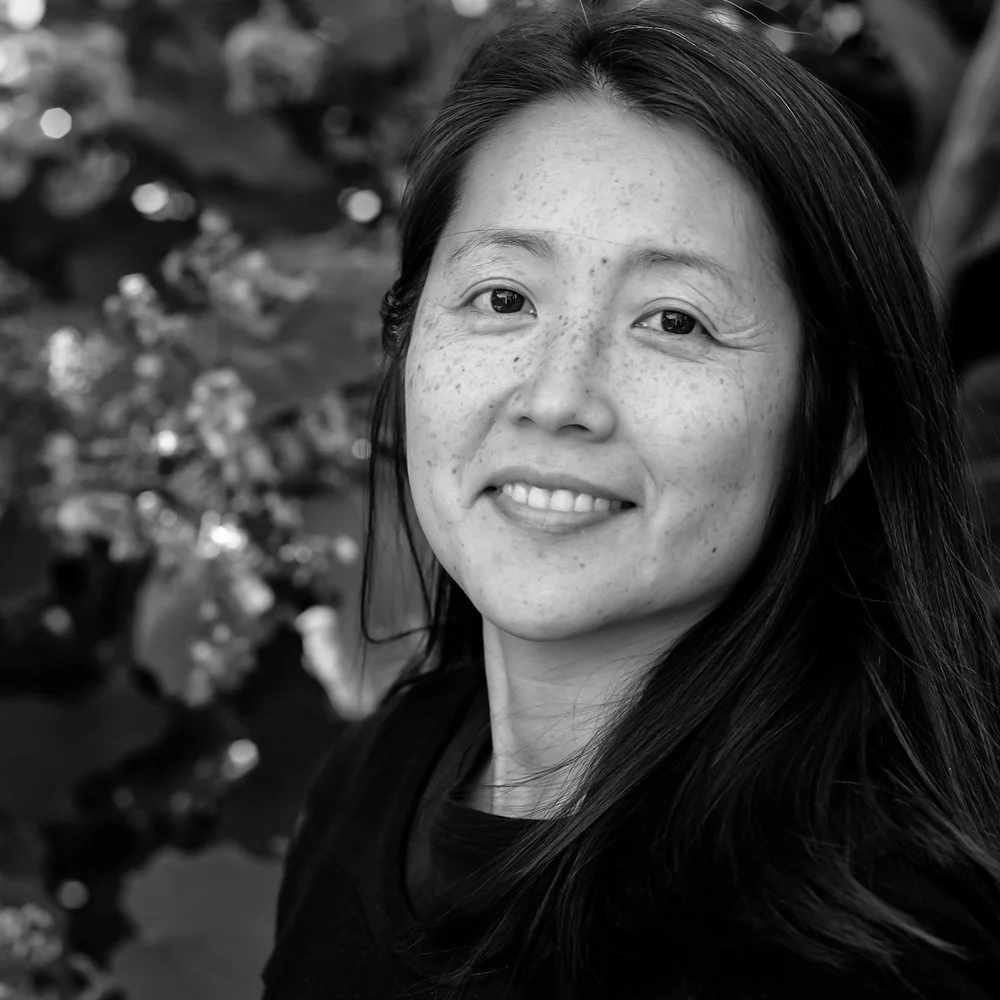
mbfitzmahan. Eri Watanabe. Tokyo, Japan. April 2022.

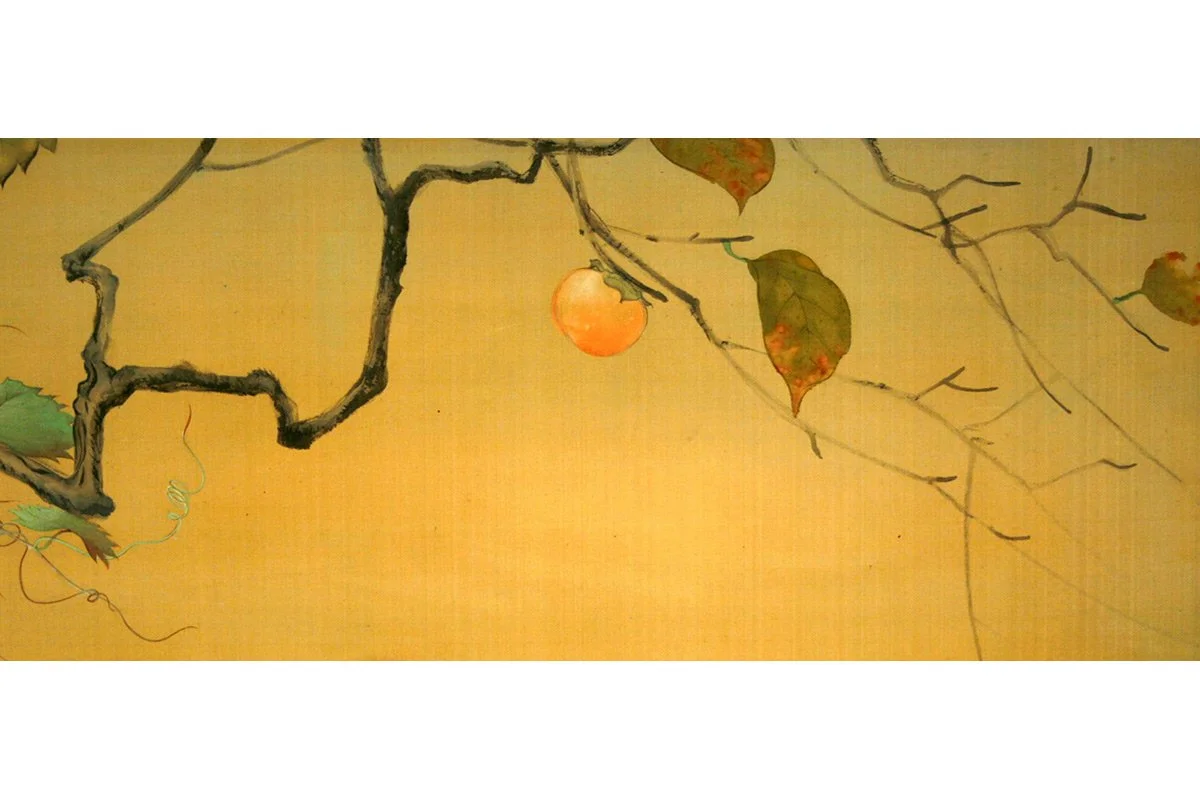
Negative space is the empty space around the positive image of a painting, a photo, even within a garden. Negative space is far from empty. Negative space can form an artistically interesting shape, and may be the real subject of an image.

Toda Hokuyo, Painting of Squirrels Playing in a Persimmon Tree, ~1924

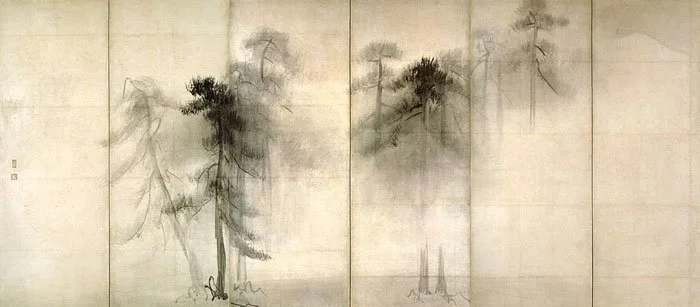
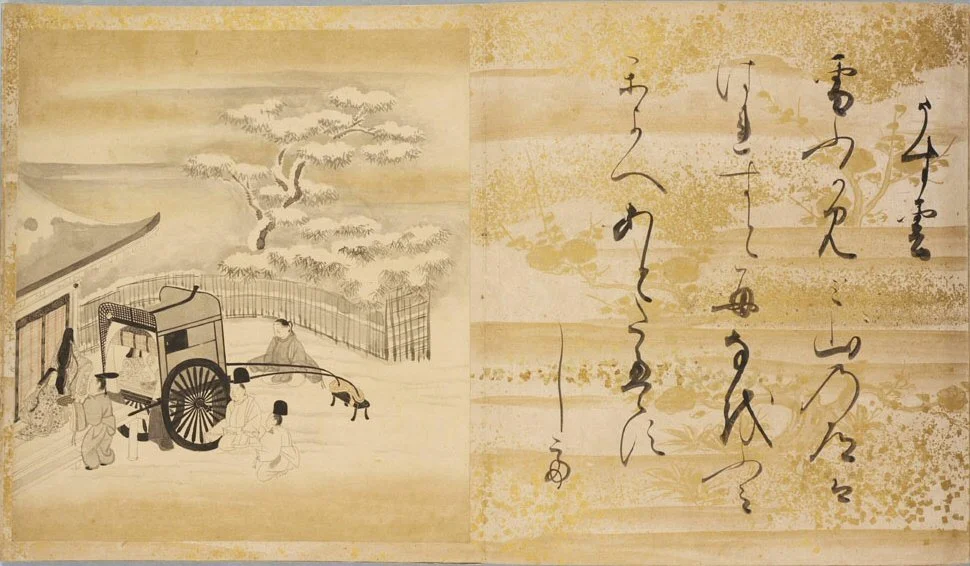
Negative space in Japanese is yohaku no bi,  余白の美, i.e. the beauty of a white space. Negative space is used in sumi-e paintings as well as in other art of Japan and China. It is this aesthetic that influenced the simple tatamis and shoji in a Japanese home. I am especially a fan of the white walls, aromatic grass tatami, and shoji that divide the rooms and allow a diffused light to come in from the outside. The Japanese admire a space between, also calling it ma, 間, or aida, a kanji used in everyday Japanese to mean in between.

Right panel of the Pine Trees screen Shōrin-zu byōbu 松林図 屏風 by Hasegawa Tōhaku (1539–1610).

19th and 20th century modern European painters used yohaku no bi in their paintings. After 1854 when the Japanese were forced to open their borders after 250 years of strict isolation, Japanese prints, paintings, and fine pottery were sent to Europe and North America. Europeans were ecstatic to see these ‘exotic’ new pieces of art and bought all they could find. Van Gogh, Paul Gaugin, Monet, Mary Cassatt, and Edgar Degas copied the styles from Japan. Later Dalí incorporated these ideas into his work.

It is this admiration of negative space, that has led to an appreciation in the West of the minimalism seen in Asian art and perceived life style. Yohaku no bi is the aesthetic that influenced Japanese author, Marie Kondo’s book The Life-Changing Magic of Tidying Up (2011).

Sumiyoshi - The Tale of Genji (Genji Monogatari), 1600s

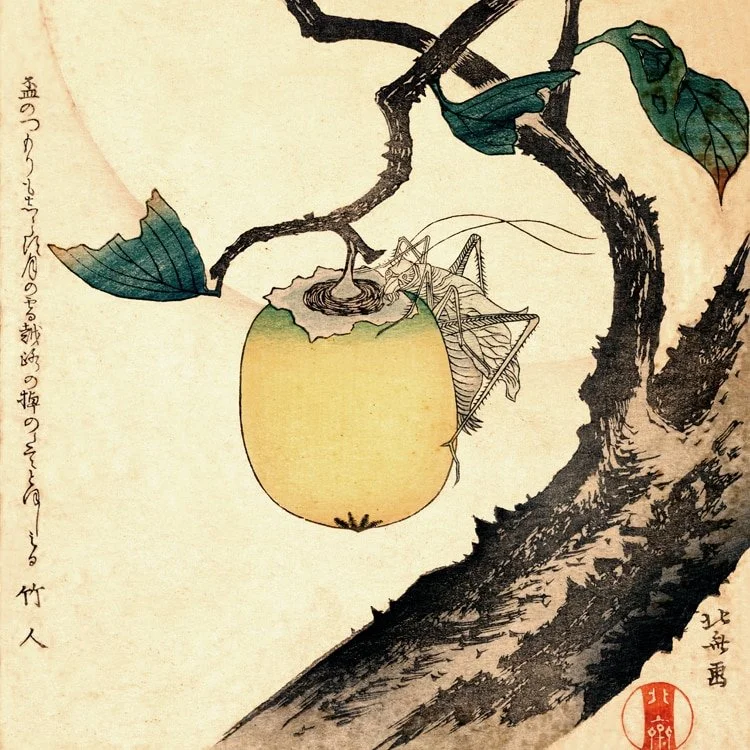
FIRST ART WORK: Katsushika Hokusai. Moon Persimmon and Grasshopper. 1807.

WORDS: Maureen Fitzmahan

Paris, Street Photography


Maureen Fitzmahan

We'll always have Paris, Julius J. Epstein, Philip G. Epstein, and Howard Koch, Casablanca, 1942

Ahhh… Paris. First among cities for a street photographer and documentarian. There are other great places to take street photos. The teeming streets in Manhattan present men and women of all kinds. Well dressed, poorly dressed, and undressed.

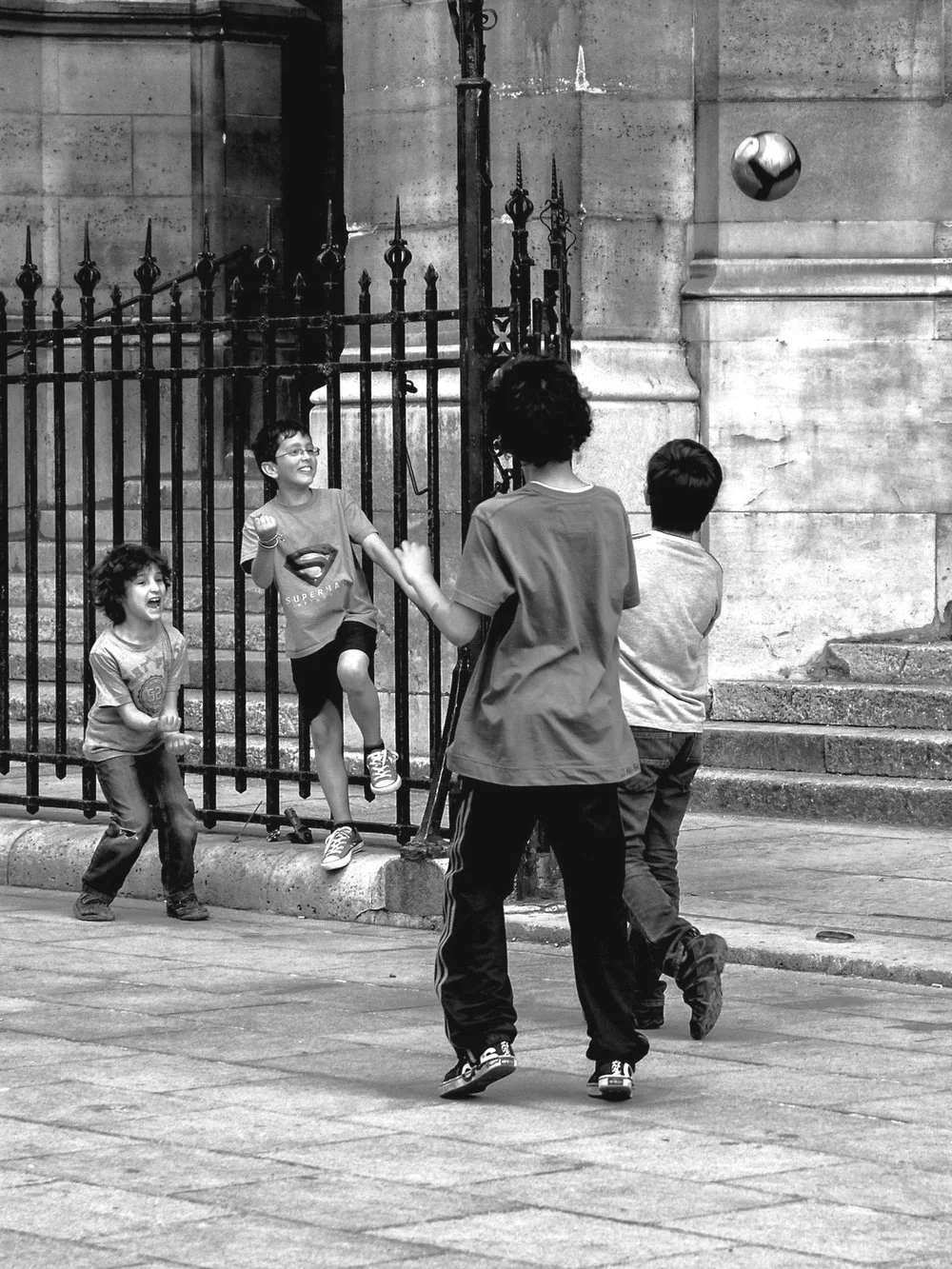
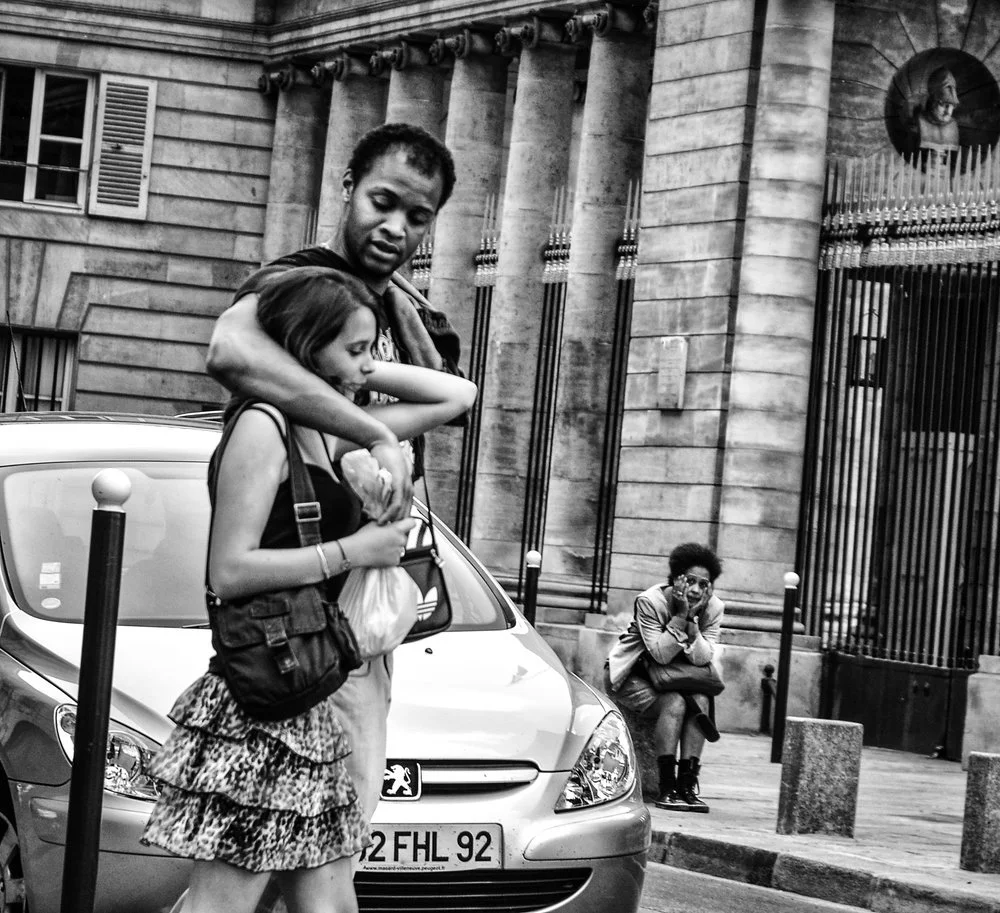
mbfitzmahan. Paris.

Street photography started in Paris. Refreshingly freed from the heavy cameras of their predecessors, Henri Cartier-Bresson, Édouard Boubat and Robert Doisneau documented Paris in pre and post World War Europe. They were joined by other photographers, many of them Jewish refugees, who escaped Hungary and Germany to work in photography in Paris. Their work captured an instant in the lives of ordinary people of the Paris of the 30s, the 40s, and the 50s.

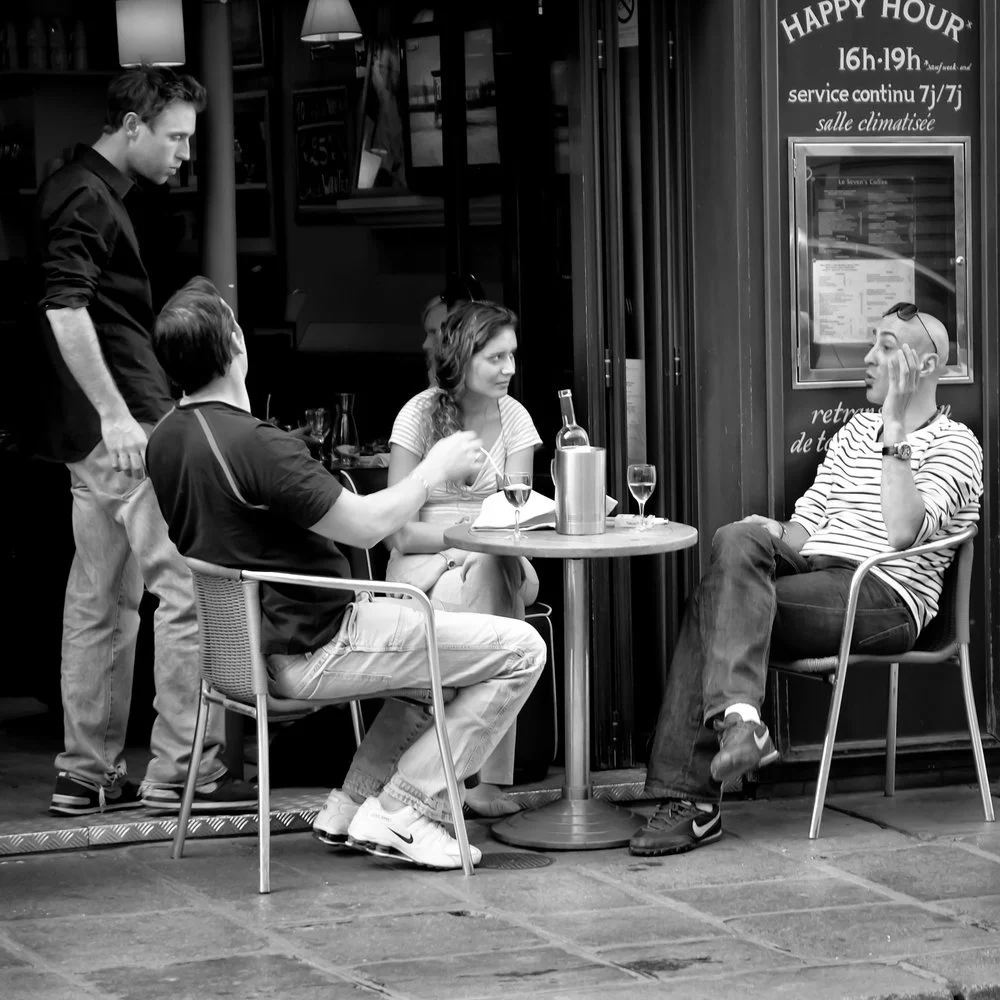
mbfitzmahan. Cafe, Paris, France.

Cartier-Bresson was a pioneer in this genre. He carried two Leicas around his neck and would wait for what he called the ‘decisive moment.’ He would choose a crumbling wall, a waiting puddle or a staircase as a backdrop and then wait for people to fill in the story. He wrote, “In photography, the smallest thing can be a great subject. The little, human detail can become a Leitmotiv.”

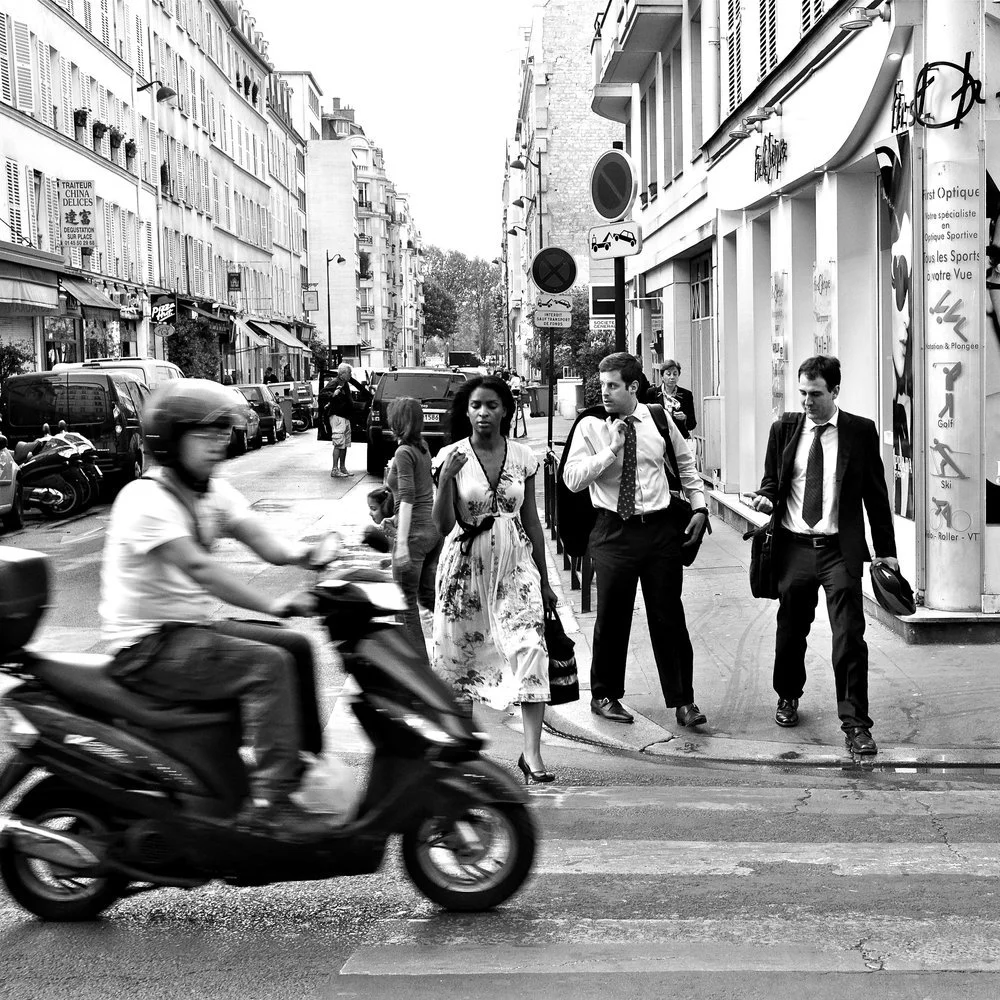
mbfitzmahan. Paris.

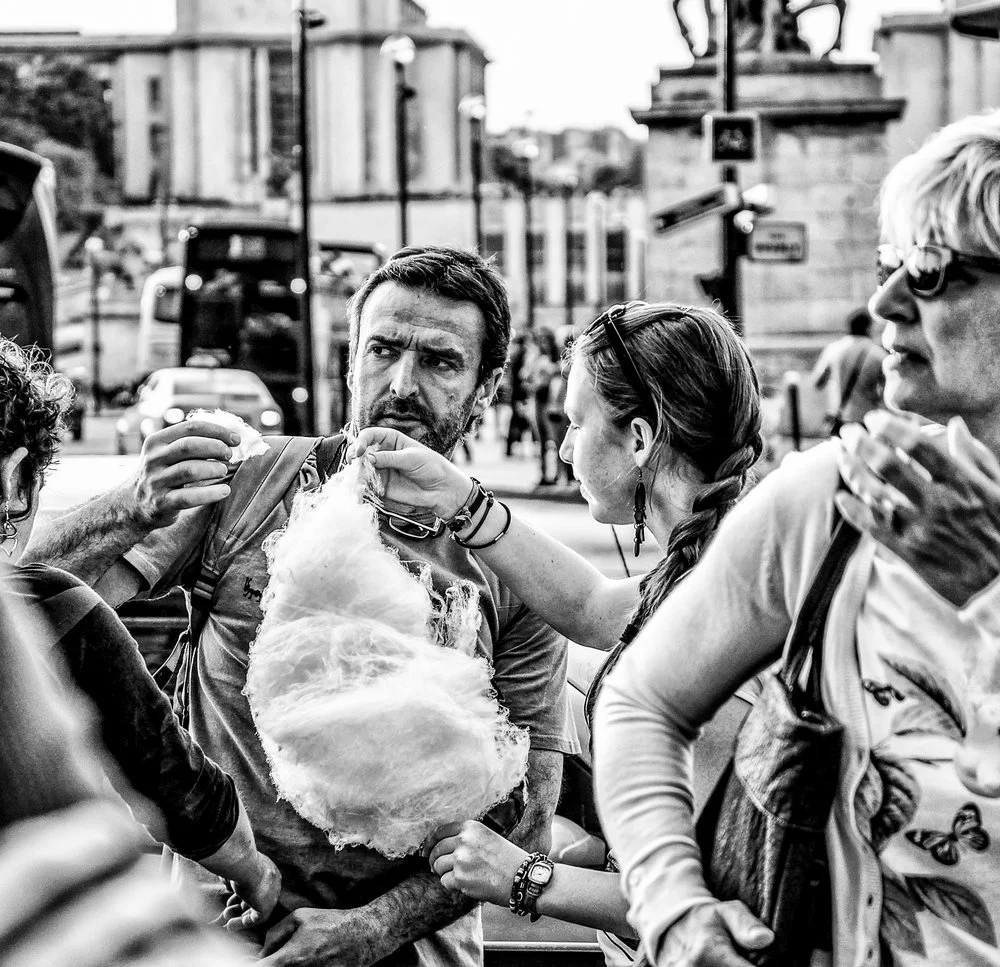
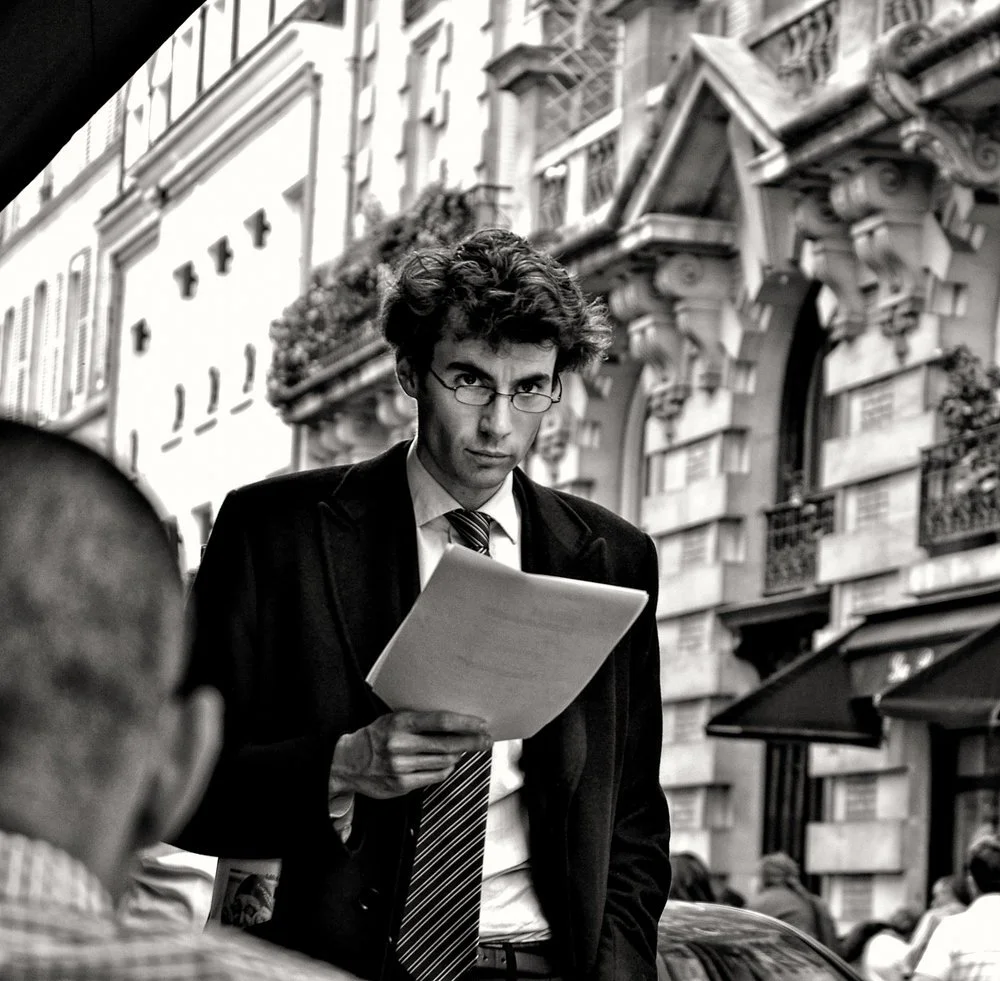
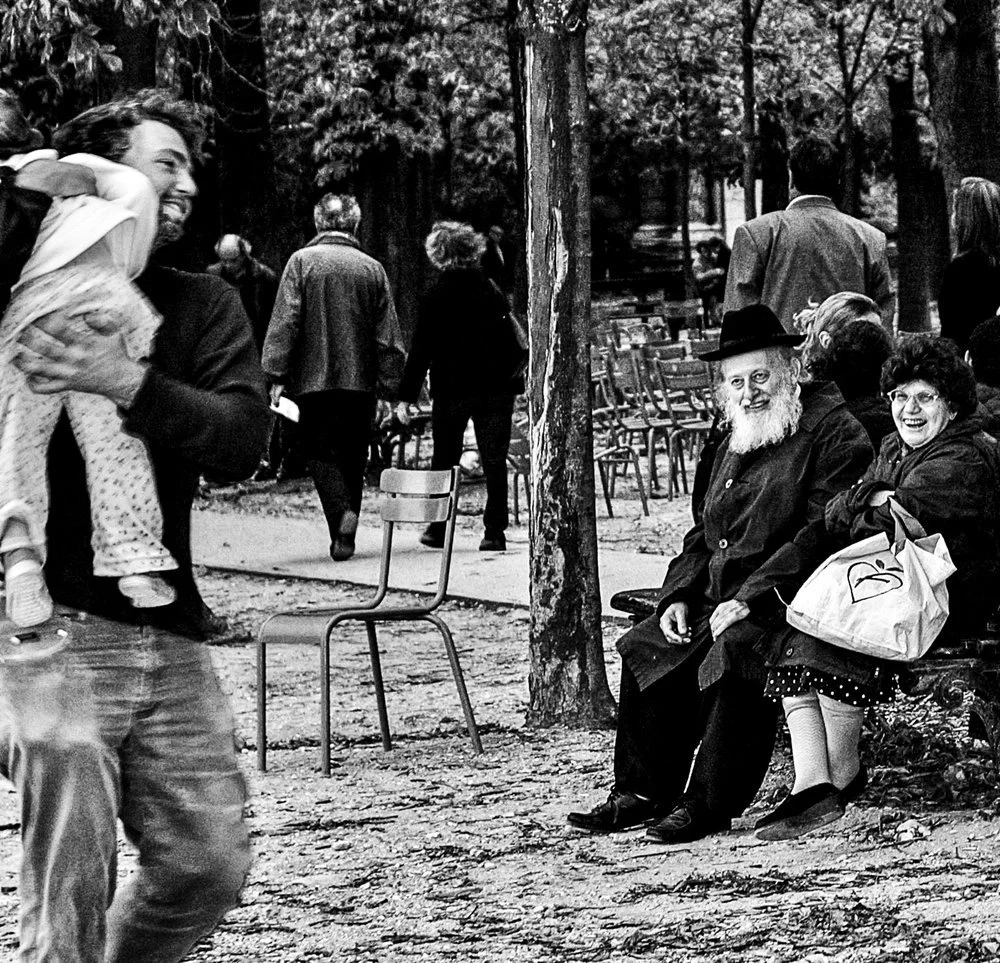
The motivation of the street photographer is to catch ordinary people doing what they do every day. Unlike portraiture or fashion photography, the subjects do not have time to pose and most photos capture them unaware. I like it when I capture some emotions such as anger, laughter, wonder, frustration, boredom, or surprise.

mbfitzmahan. Paris.

I live by an unbreakable code: I never make a photo that would embarrass. I feel a duty to the people in my photos and I remember their faces long after I make the photo. The people on the street may not look like movie stars, but they are beautiful in their natural surroundings.

mbfitzmahan. Paris.

mbfitzmahan. Paris.

Photos and Words: Maureen Fitzmahan