Art in Time of Uncertainty: 2020 and COVID-19 Pandemic


2020 - Art in Time of Uncertainty

COVID-19 Pandemic

A Pandemic: An Introduction (Update April 2021)
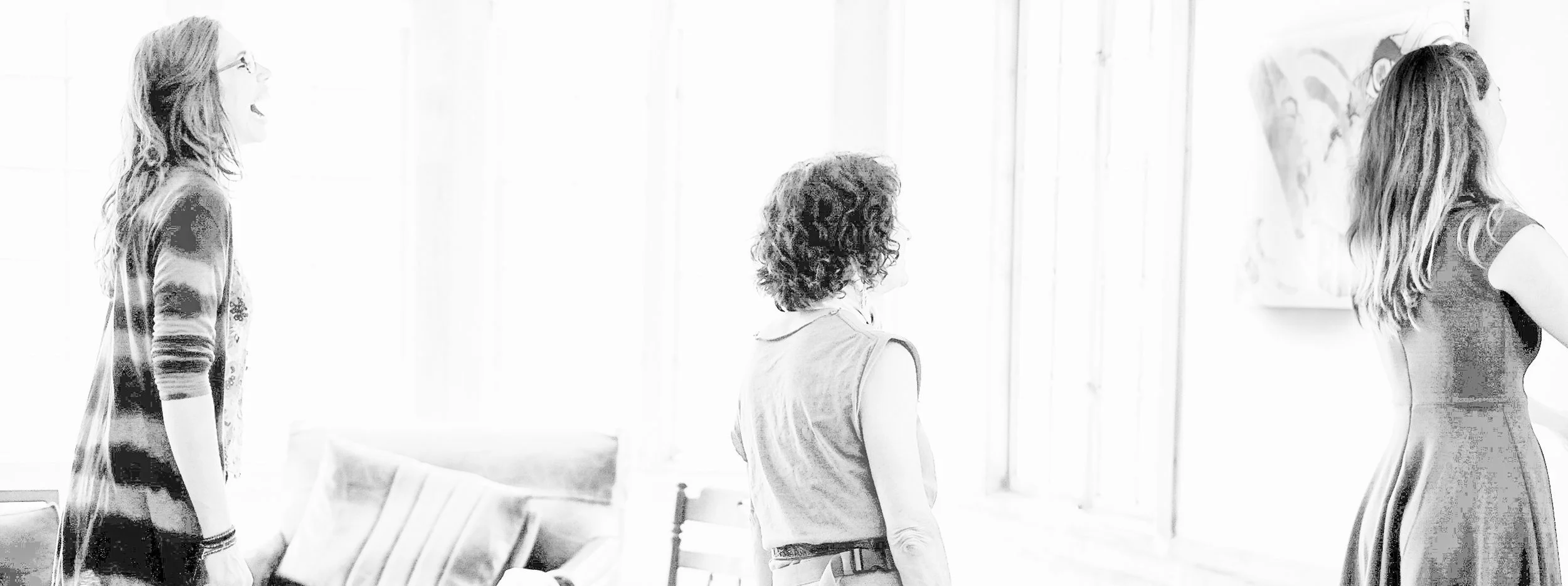
mbfitzmahan. The Art Junket. Berkeley, California. 2020.

Don't worry about a thing
'Cause every little thing gonna be alright
Singing' don't worry about a thing
'Cause every little thing gonna be alright

Rise up this mornin'
Smiled with the risin' sun
Three little birds
Pitch by my doorstep
Singin' sweet songs
Of melodies pure and true.
Bob Marley


April 20, 2020

On New Year’s Eve, 2019, the Chinese government reported a new virus in the Hubei prefecture. 11 days later, a man died from what would be called the “coronavirus.”

That was 3 months ago. We were celebrating New Year’s Eve in Upstate New York. I thought that 2020 sounded like a particularly auspicious year.

Ten days later the virus was spotted in the United States. Two months after that, infections and deaths increased exponentially, and on March 11th the World Health Organization declared that the world was experiencing a pandemic.

There is no cure or vaccine for the coronavirus.
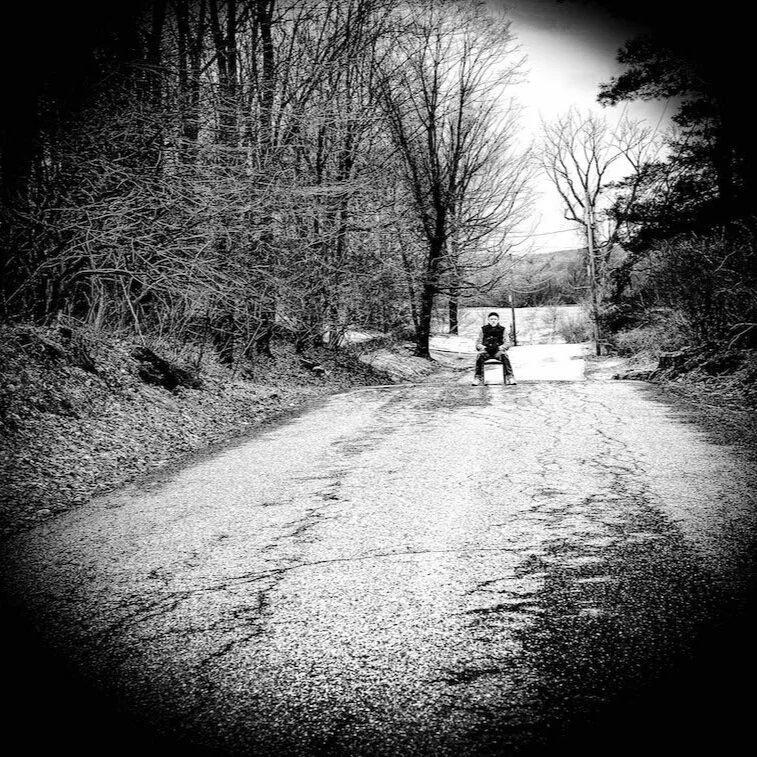
mbfitzmahan. Pandemic-Lockdown. 2020

In 1969 I had the Hong Kong flu in Tokyo. Thirty years later I was bedridden for six weeks in Wales with a different flu. In early March here in Upstate New York, I suggested to Don that maybe we should go to COSTCO and buy extra toilet paper. Maybe buy extra beans and hand sanitizers. Do we have enough flour?

Governments throughout the world were dangerously unprepared for the coronavirus. Recriminations were tossed back and forth between presidents and prime ministers. Someone had to be blamed. Was it the Chinese? The Democrats? Those hospital workers that must be stealing face masks. How about Bill Gates or Jeff Bezos?

Although warned weeks before the outbreak, Donald Trump failed to effectively mobilize a nationwide response to the epidemic. The virus spread so quickly, that each week of inaction led to massive infections and deaths.

The president forbid visits from travelers from China, then from Europe, and then from everyplace else. Still people got sick and died. Even if sick, people were told to stay home. Only if “you feel like you are drowning or you can’t catch your breath should you go to the doctor’s or to the emergency room.”

Hospitals could not take care of all the sick. ICU’s were filled past capacity. Doctors and nurses didn’t have enough protective masks and gowns. Medical staff came down with the disease. Many died.
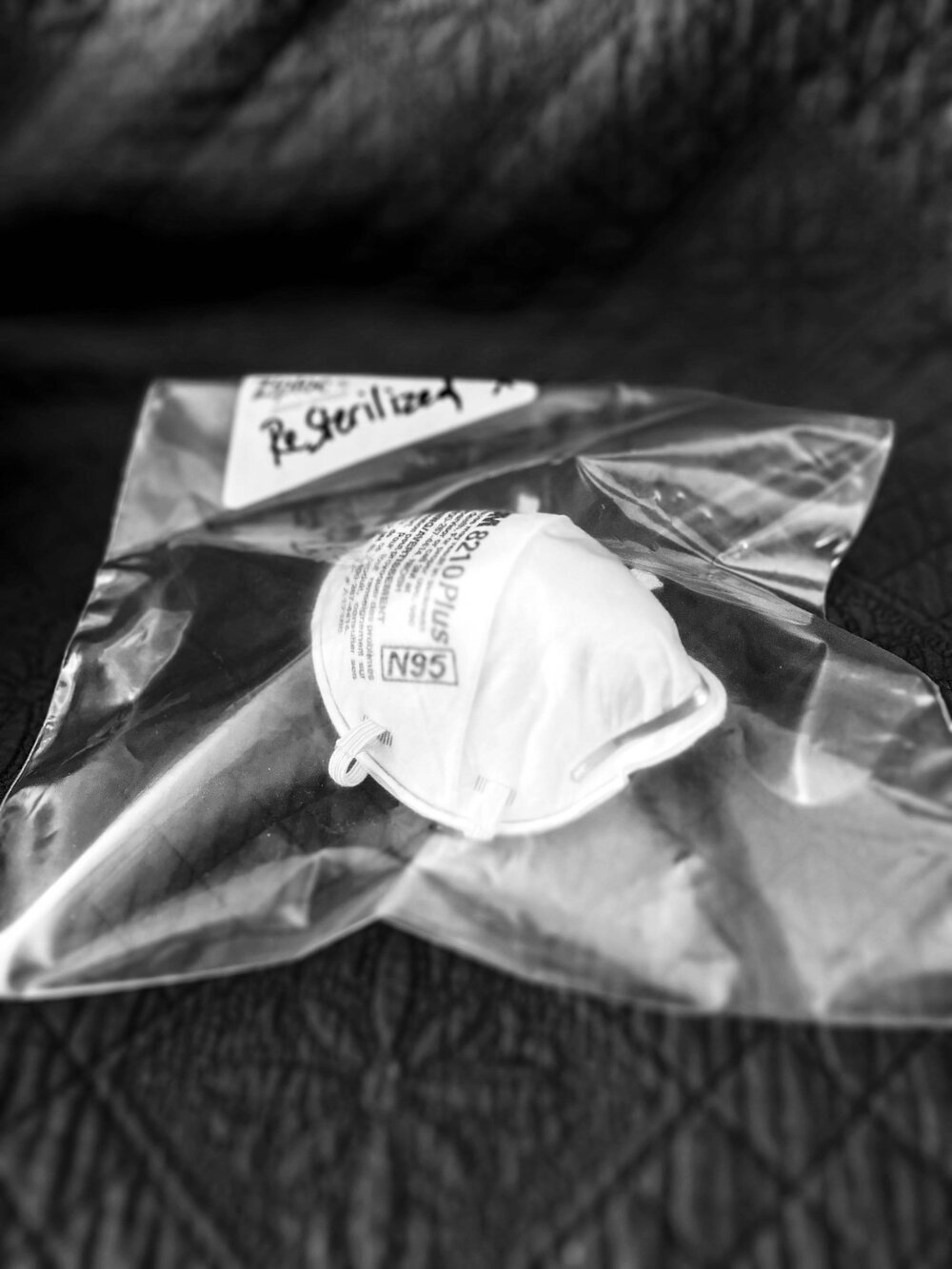
Tao Graham. Masks. Berkeley, CA. April 2020

Trying to avoid going to the store, Don and Eric make bread every other day. Don makes rice milk and Eric makes oat milk. Don makes kombucha. Erin helped us plan a garden and I bought seeds for planting. Our 6 year old twins are out back making the ground ready. Just waiting for the weather to cooperate. It snowed today on April 18th.

The CDC and the World Health Organization warn people: “wash your hands and don’t touch your face.” Avoid large crowds. Finally, in mid March governors from many states ordered schools to shut down. Non-essential businesses were forced to close and finally people were ordered to stay home.

We are “sheltered in place.” Erin and Eric take turns homeschooling their Kindergarten boys. Schools have been closed since March 18th. It is likely that schools won’t reopen until September.

The disease spread from community to community, unhampered and chaotic. Without a cure, the virus killed the most vulnerable - the old, the sick, African Americans, and Latinos. It also infected the young and killed some of them, too.

Don and I are the most vulnerable in our multigenerational household as we are both in our 70’s. On March 21st, Liam suddenly came down with a stomach ache, fever, and diarrhea. Augie, Erin, and Eric soon had similar symptoms. The family stayed upstairs in self-quarantine. Don and I fixed meals, snacks, and drinks and left trays on the stair landing. The symptoms lasted only 4 or 5 days, but Erin et. al. stayed upstairs for the requisite 14 days. Stomach ailments were not initially considered one of the symptoms of coronavirus. But, to be safe, the four of them stayed upstairs. A few weeks later, fever and stomach ailments were identified by the CDC as possible symptoms of coronavirus.
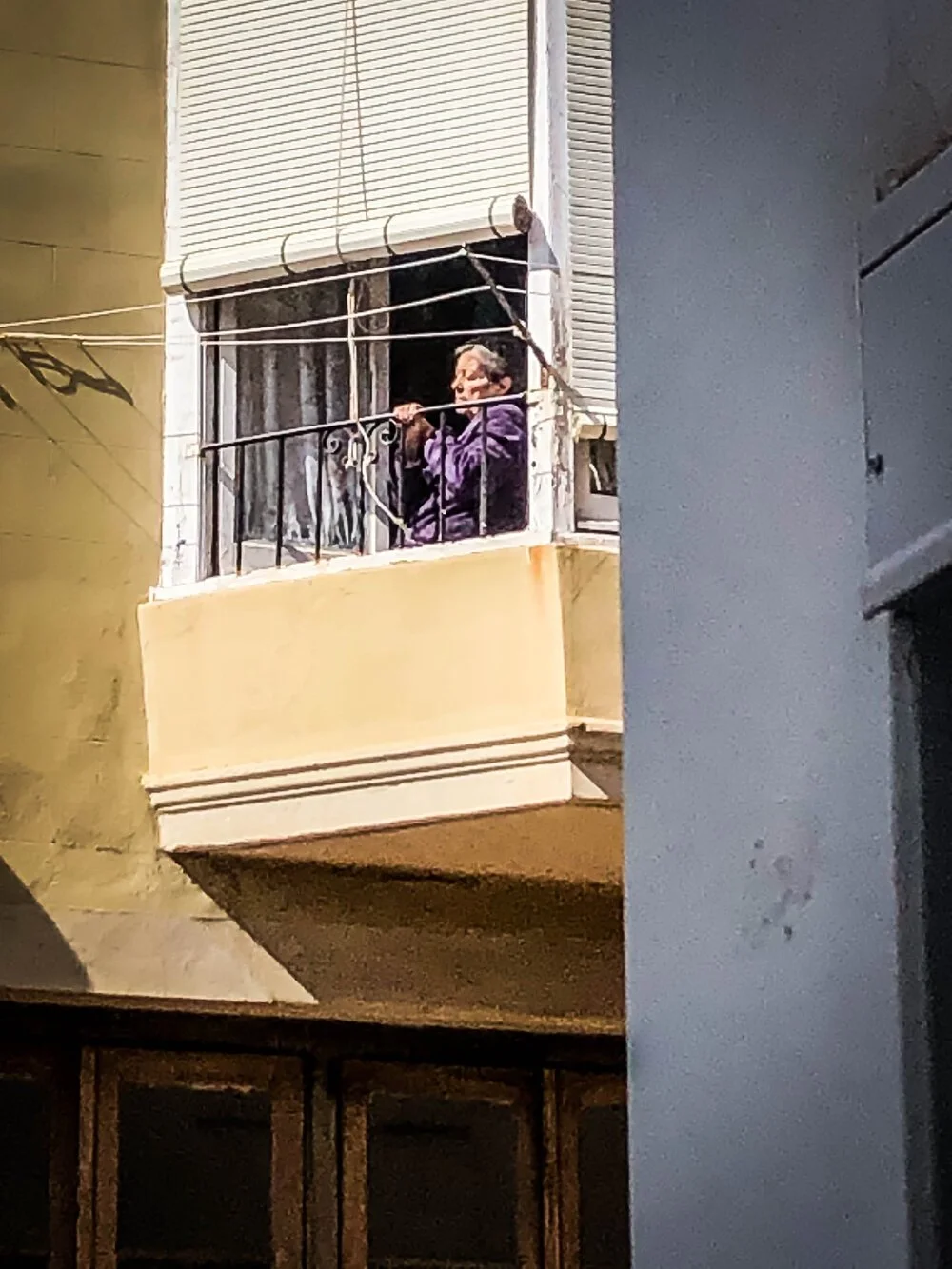
Kaitlin Strange. Quarantined in Barcelona. Barcelona, Spain. April, 2020

As of this writing on April 20th, 2020, globally there have been reported 2.5 million cases of the coronavirus disease. Since few people are tested for the virus - that number is probably only a scant 10% of the true number - the actual number of cases is more likely 20.5 million. In the United States there have been 767,379 cases of coronavirus. The likely number of cases could be as high as 7.6 million.

The first case of coronavirus in New York State was discovered on March 1. Today, a bit more than a month and a half later, the number of confirmed cases is 256,555.

The first death in New York State was on March 14th. Today the death toll for New York is 19,693.
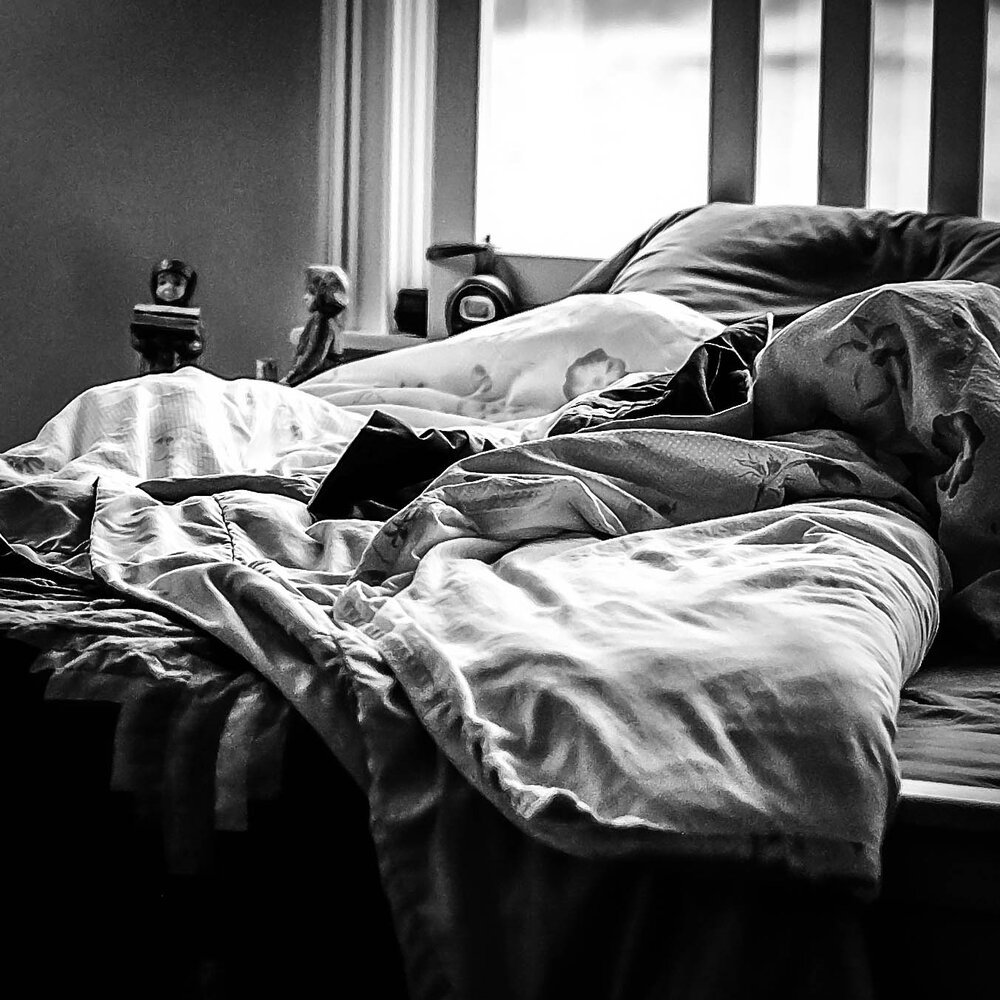
Maureen Fitzmahan. Unmade Bed. Pawling, New York. March 2020.

Don and I go for walks down our country road. I listen to podcasts on the pandemic and go on Zoom and FaceTime to talk to our family. I watch British dramas on Netflix until 2 in the morning. The last time I walked out with a group of people was in late February when Don and I took the train to Grand Central Station and toured the Catacombs under the Basilica of Saint Patrick’s Old Cathedral in Manhattan. Touring tombs below the busy streets of New York City seems an uncannily prescient experience when the first death in New York City would hit 2 weeks later.

I felt very anxious in the first weeks. Boredom broke through next. Depression followed. Now I am writing this article, and I feel like I have some small purpose as I reach out to you, my artist friends. I feel like I am a small part of a global experience, sharing these hard months with 7.6 billion other vulnerable human beings.

Maureen Fitzmahan, April 21, 2020. Pawling, New York.
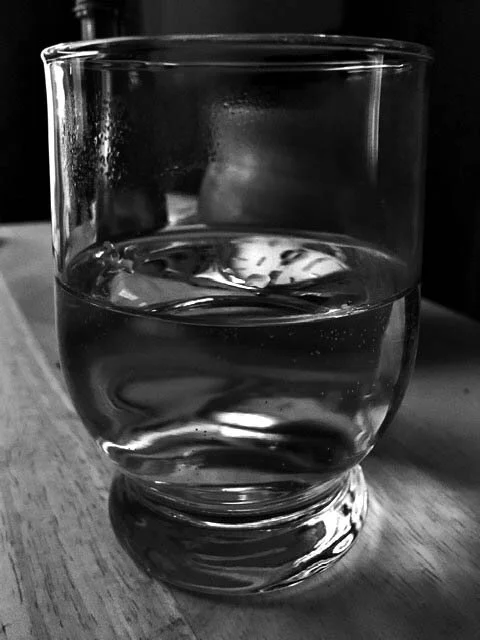
Brian Nelson. Untitled. Berkeley, California. April 2020.

Update: April 25, 2021.

One year has past since I wrote this article.

Around the world we are still working our way through this COVID pandemic. Worldwide there have been 14.7 million cases of COVID 19. There have been 3.1 million deaths.

The United States has suffered nearly 600,000 deaths, and 32.1 million cases of coronavirus.

Fortunately, none of our Art Junket members got sick. We all changed our lives considerably. Katie Strange who had left Berkeley moved to Barcelona in September 2019 to get her PHd. Her husband contracted coronavirus early in March 2020 and was extremely sick. Fortunately, Katie who was a few months pregnant, stayed well. She gave birth to a baby boy in August 2020. Then four months later, she and her family left Barcelona. The members of her collegiate were not able to meet because of the pandemic and any opportunity to continue her research was stymied. She and the family have moved to Vashon Island near Seattle, Washington.
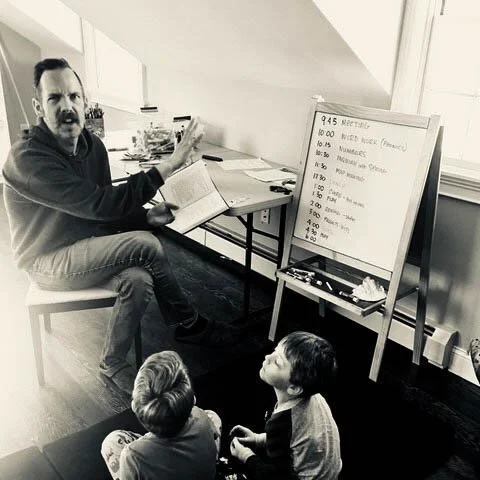
Erin Mahollitz. “This Is Not the Homeschooling You Are Looking For,” Pawling, New York. March 2020.

Erin and our families have bought 20 acres in Upstate New York and Erin is still homeschooling her twin boys. Shauna and her husband escaped Brooklyn and have spent the last year moving from safe harbor to safe harbor to avoid the virus - Wisconsin woods, Colorado winter, Yucca Valley in California, and Seattle, Washington.

The former president, Donald Trump, denying the danger of the pandemic, made the health crisis a political platform. Fortunately, he was thrown out of office in the November elections and Joe Biden was elected president.

Vaccines became available, and many of us have been vaccinated in 2021. The State governments started inoculating health care workers and then those of us over 65. Quickly, everyone became eligible. As of April 2021, every adult in the United States is eligible to get a vaccine.
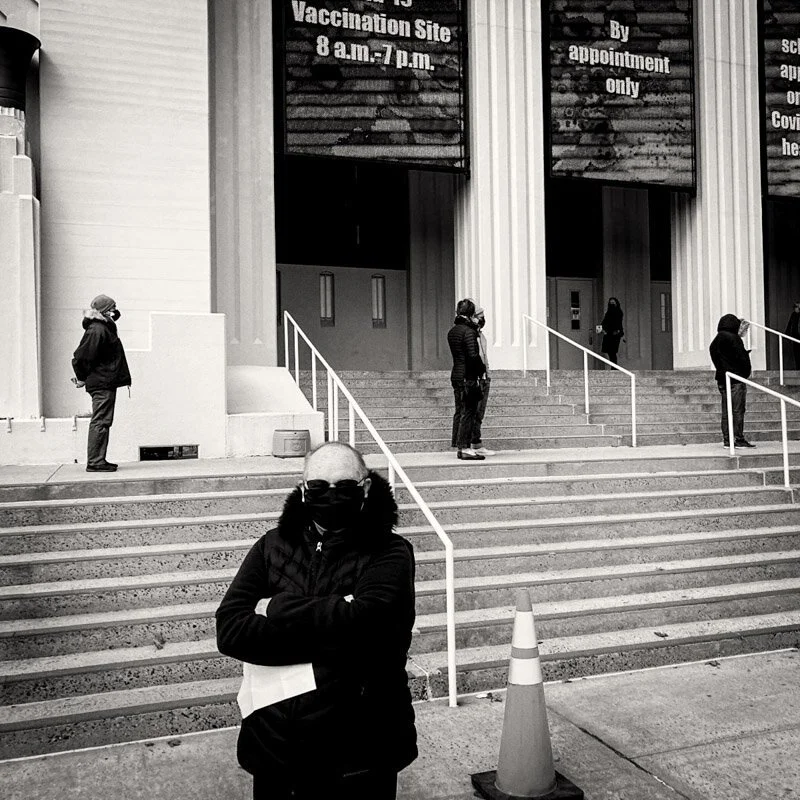
Don Fitzmahan. Maureen vaccinated! Westchester County, New York. February 11, 2021.

At first, it was very difficult to find an appointment to get vaccinated. Don and I were fortunate to be able to have the time and resources to get vaccinated with our first dose of the Pfizer vaccine at the end of February. We got our second on March 4th.

The country has not reached ‘herd immunity,’ yet. Nearly 30% of Americans have received at least their first dose of the vaccine. 229 million doses have been administered. Worldwide 1 billion people have been vaccinated at least once. Most vaccines require two shots to be completely effective.

25% of American adults are still refusing to get vaccinated because they distrust the government, fear the effects of the shot, or doubt the efficacy of the vaccines.

Since last year, the United States has suffered nearly 600,000 deaths from COVID 19.

In other parts of the world, the disease has surged. In India nearly 300,000 people contracted the virus yesterday. Japan continues to ban travel into their country. New variants of the virus are dangerously attacking unvaccinated populations.

There are signs in the news and from friends of high levels of optimism interspersed with deep levels of fear, depression, and ‘languishing.’

Maureen Fitzmahan, April 26, 2021. Lagrangeville, New York.
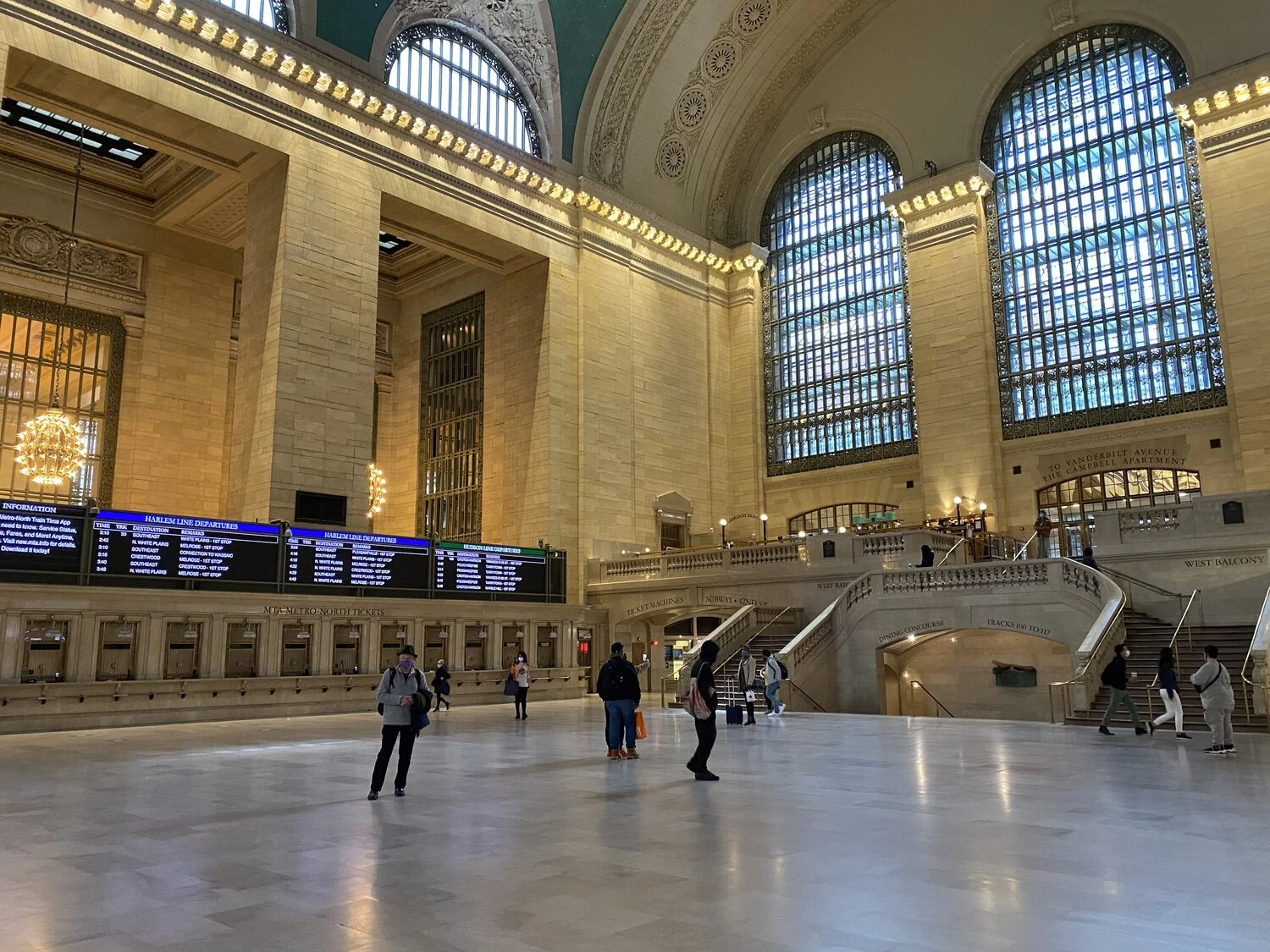
mbfitzmahan. Grand Central Station at Noon. New York City, NY. May 10, 2021.

Update: May 15, 2021

An unexpected turn of events brings us hope. On Thursday, May 13th, the American CDC (Centers for Disease Control and Prevention) announced that studies now show that in the United States vaccinated persons are unlikely to be contagious. In addition, the vaccines have been found to be 97% effective, even against the highly contagious and virulent variants from the UK, South Africa, Brazil, and India.

Because of the latest science, the CDC no longer requires vaccinated persons to wear masks in most places. Inside or out.

Fully vaccinated people (i.e. 2 weeks beyond 2nd vaccination) no longer need to wear a mask or physically distance in any setting, except where required. Also, vaccinated people do not need to be tested following a known exposure to the virus.
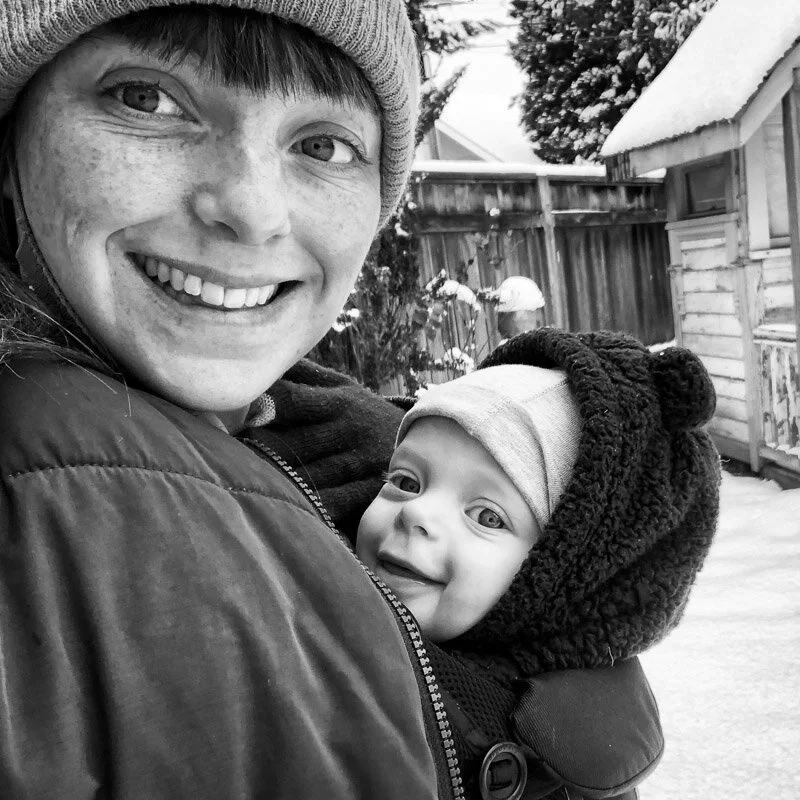
Katie Fitzmahan. Katie and Huxley Strange back in the United States. Seattle, Washington. February 14, 2021.

This is surprising and very good news.

Maureen Fitzmahan, May 15, 2021. Lagrangeville, New York.

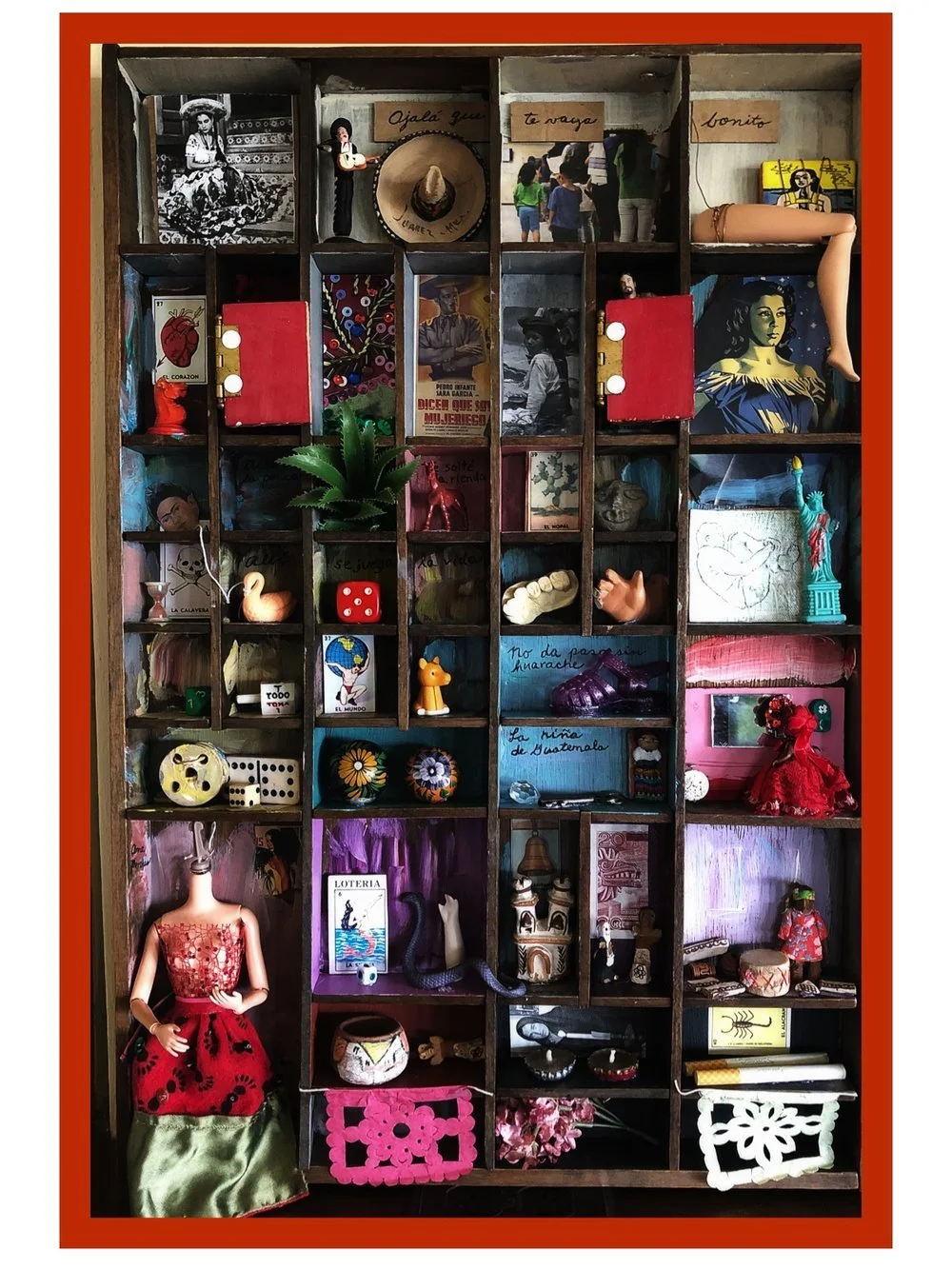
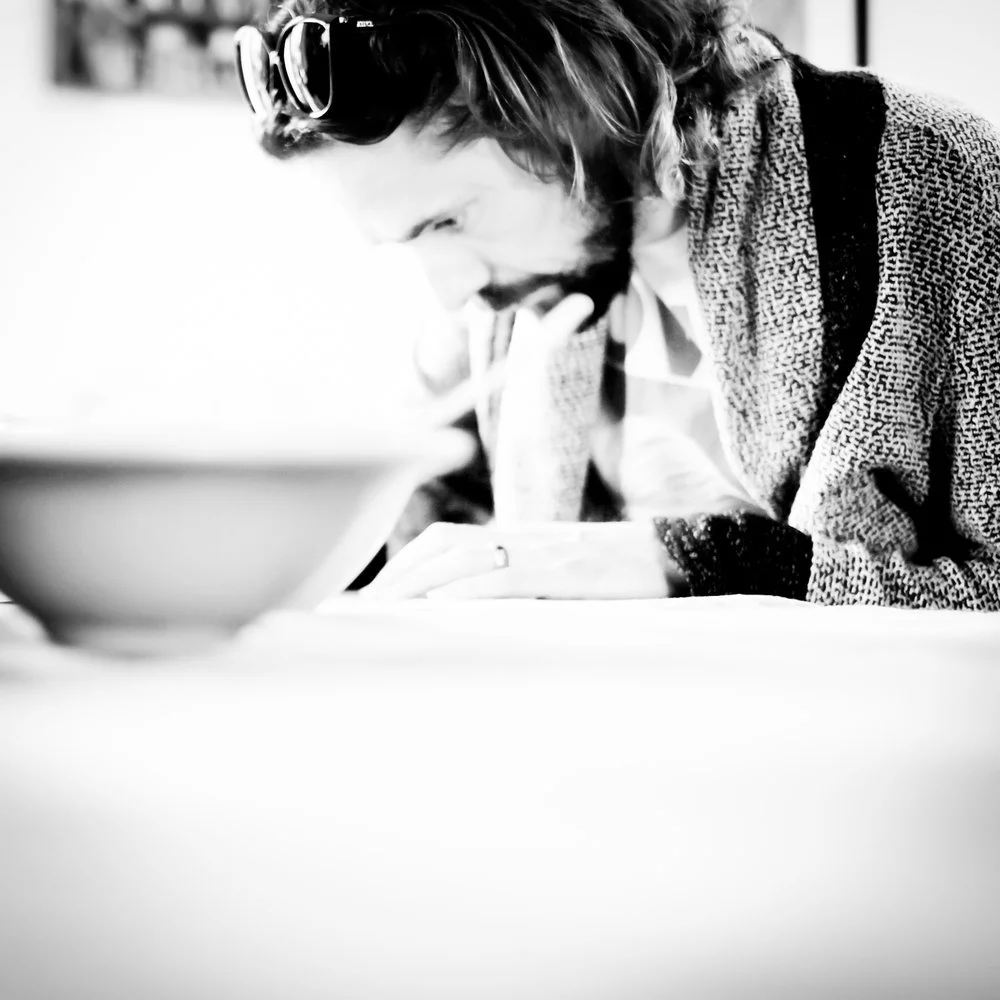
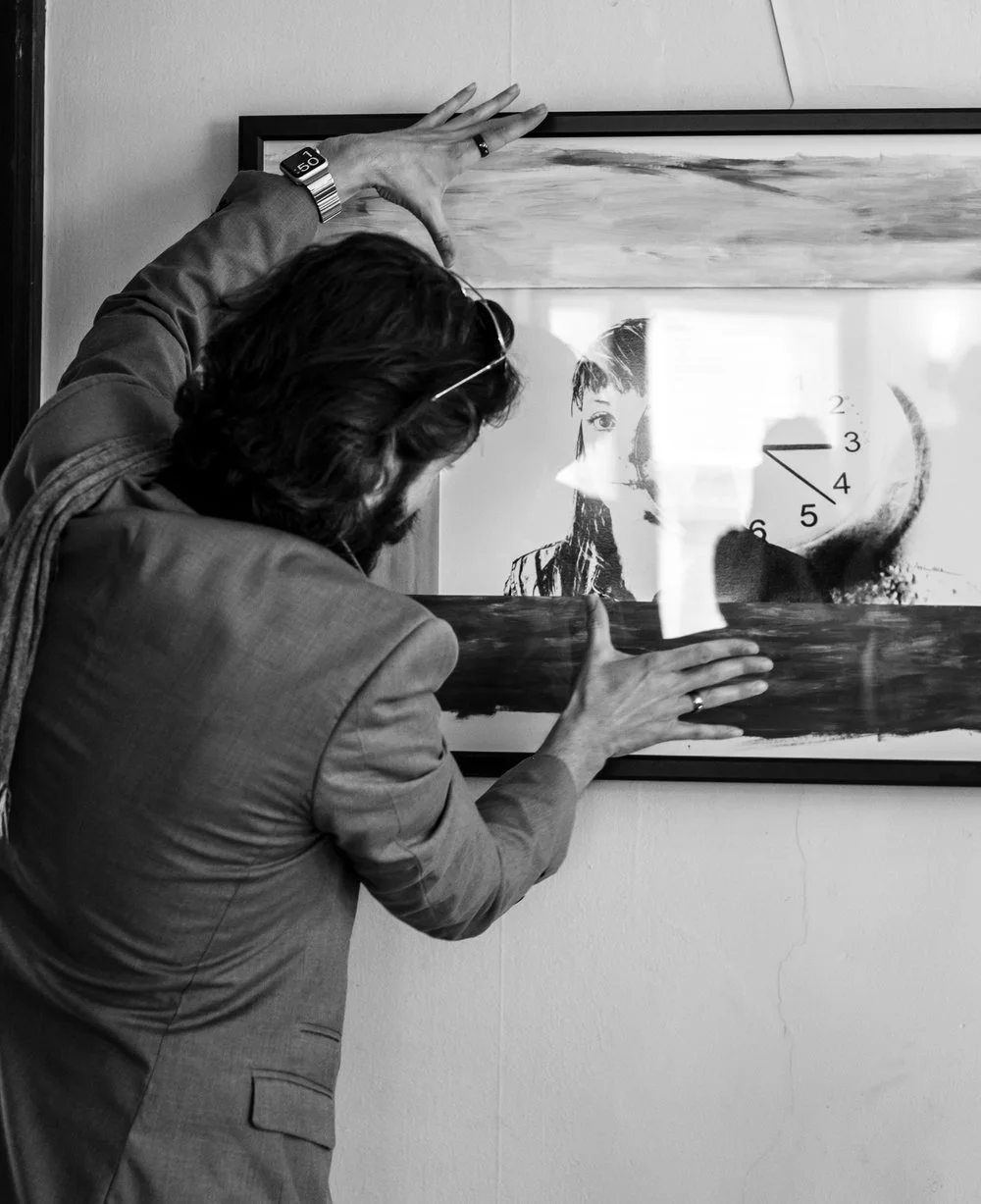
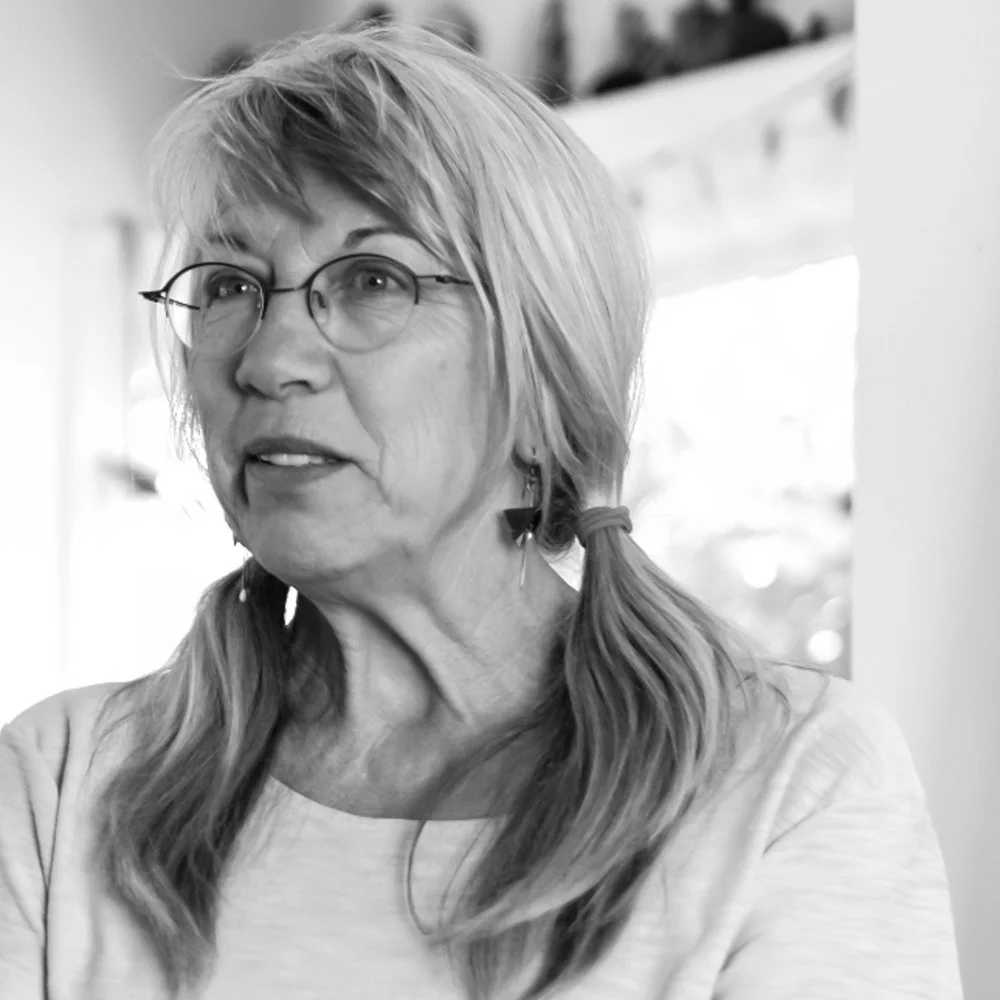
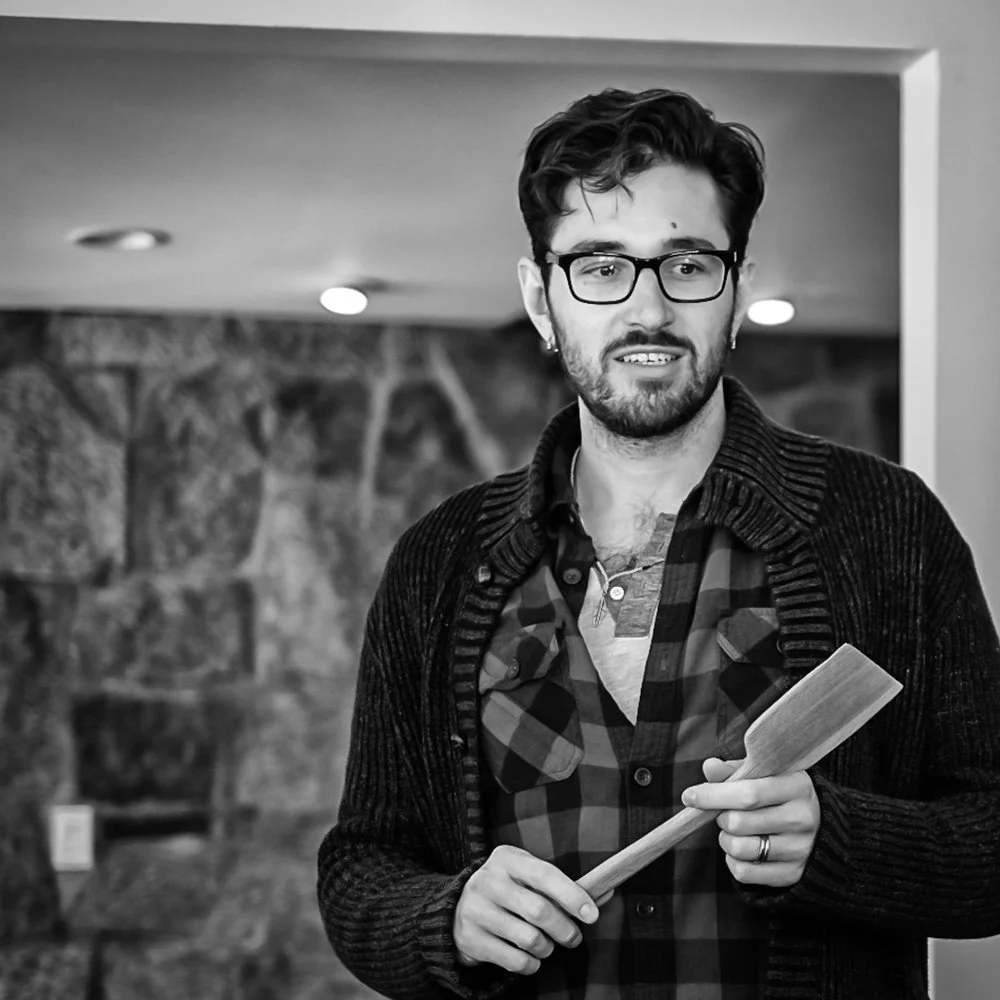
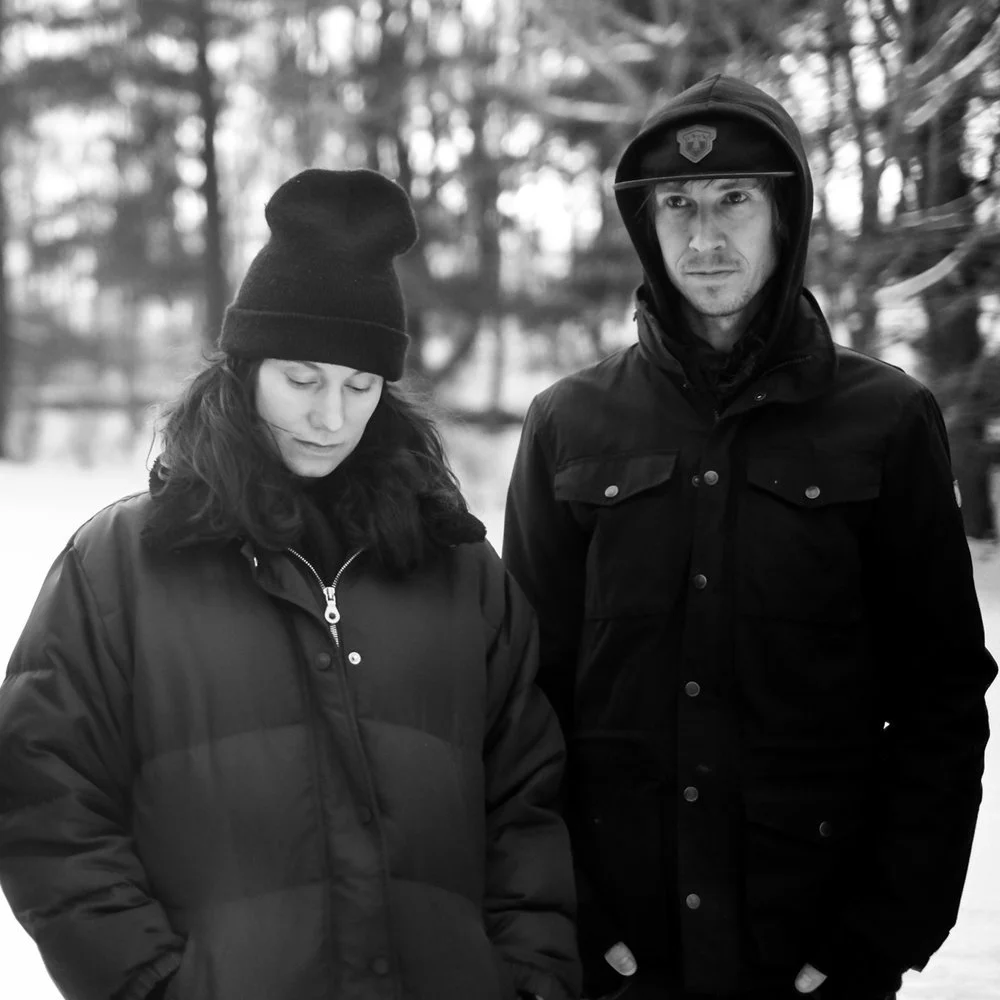
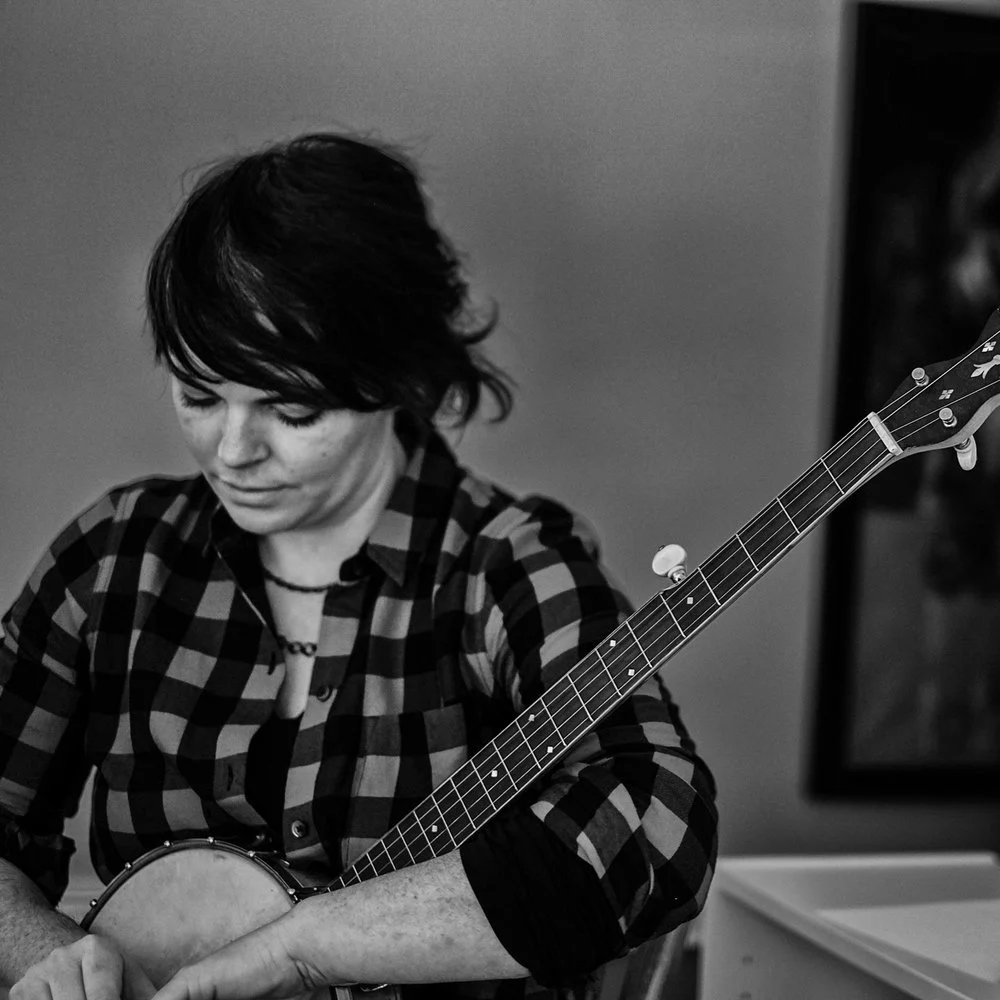
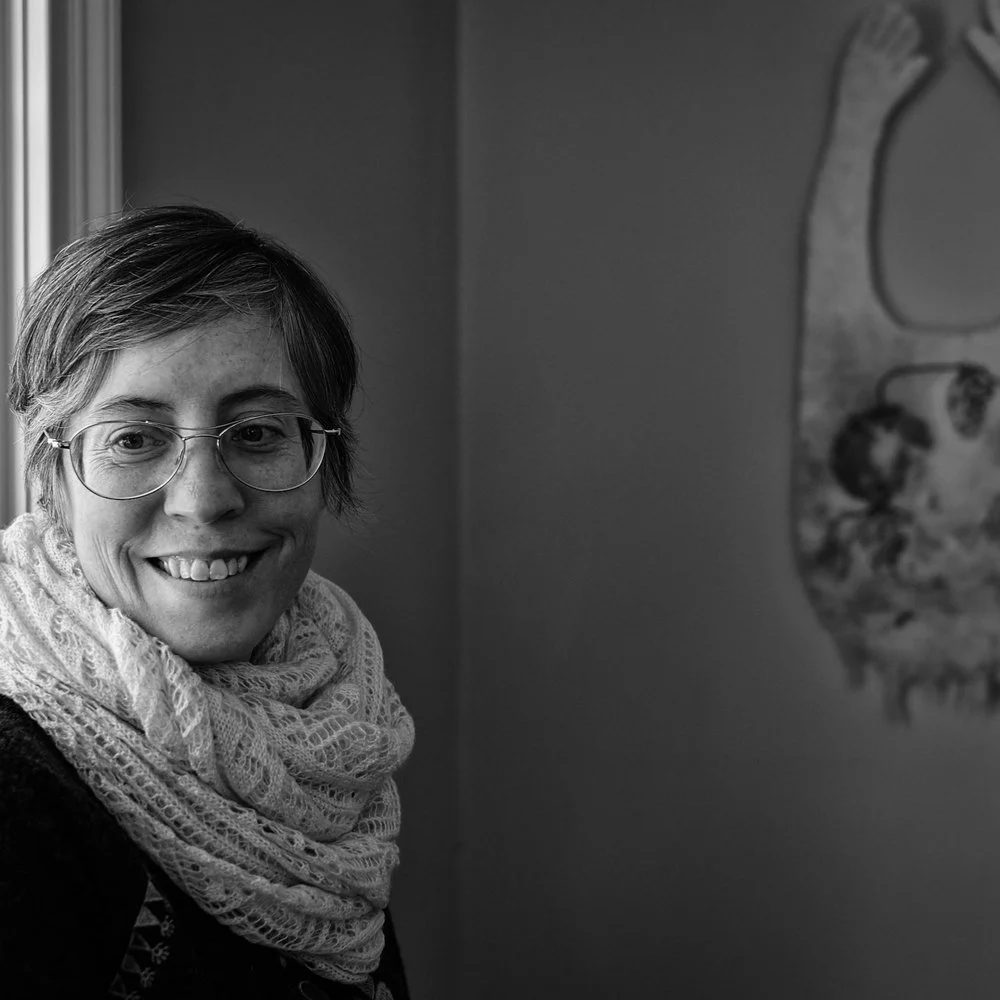
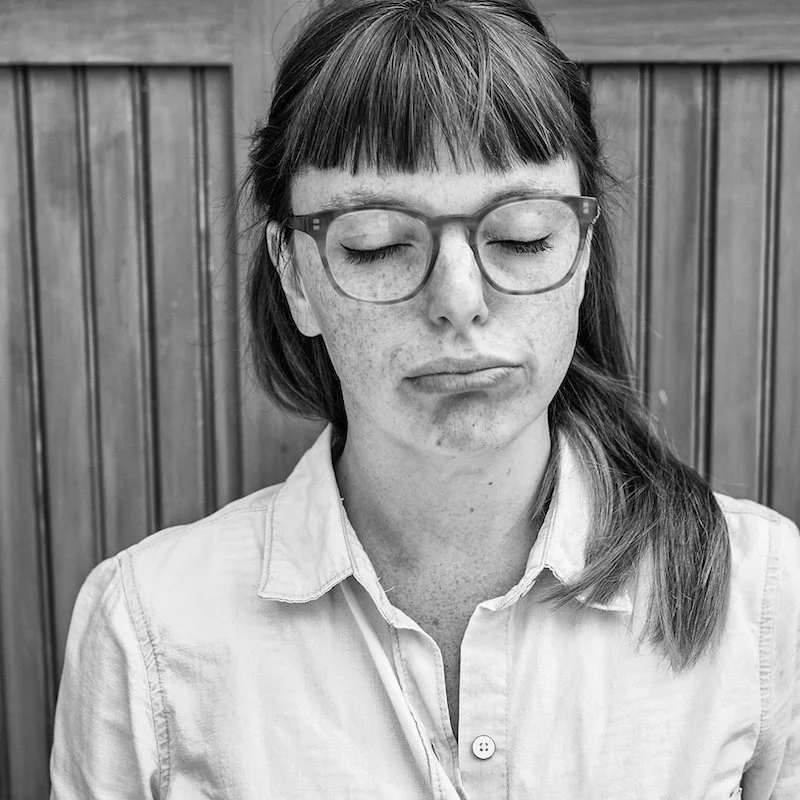
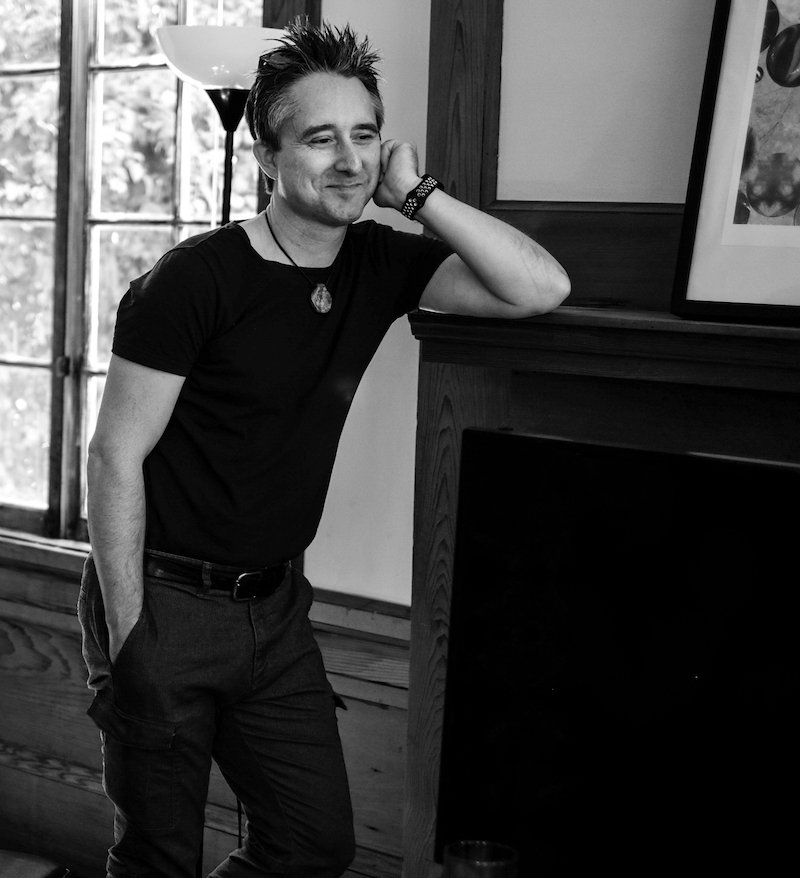
The photographs on this page are by Art Junket members - West, East, and Abroad. In April 2020. I made a call to artists, most of us in isolation at home, to push through our fear, feelings of impotence and ennui. Go and take a photo. Use your iPhone or any camera available. How are you feeling, what are you seeing? Record this historic time through art.

Tao Graham - Berkeley, California - member of Art Junket West (2017-2022).

Kaitlin Strange - Barcelona, Spain - founding member of the Art Junket (2015-2022).

Maureen Fitzmahan - Pawling, New York - founding member of the Art Junket (2015-2022).

Brian Nelson - El Cerrito, California - member of Art Junket West (2017-2022).

Erin Mahollitz - Pawling, New York - founding member of the Art Junket (2015-2022).

Words: Maureen Fitzmahan

Tech adviser and designer: Erin Mahollitz

Photos on cover, and front - Maureen Fitzmahan.

Maureen Fitzmahan and Erin Mahollitz are the founding members of the Art Junket (2015-2020).
Art and Journalism


Katie Strange - Line Drawing

My dream is to walk around the world. A smallish backpack, all essentials neatly in place. A camera. A notebook. A traveling paint set. A hat. Good shoes. A nice pleated (green?) skirt for the occasional seaside hotel afternoon dance. Maira Kalman, illustrator and journalist, Principles of Uncertainty, 2007

Kaitlin Fitzmahan Strange. Berkeley, California. 2019.

and then nestled inside an article written in handwritten text. I’ve seen these illustrations in the New Yorker and as illustrations in books. Some artists call this graphic journalism or pictorial narration.

Maira Kalman, author and New Yorker columnist, said that when she began writing with illustrations, she asked herself, “How do I combine this writing and this art to say as much as I can with as few words as I can?” She describes herself as a ‘remix’ artist, feeling that words and artwork are inseparable.

Wendy McNaughton, based in San Francisco, calls her work ‘illustrative journalism.’ She draws pictures of people then uses their interviews to tell stories. She says that “Sketching opens up doors, while other media might shut them down.” She was featured on PBS and ended her piece with, “I am interested in the stories of people who don’t get their story told.” (PBS NewsHour, “How drawing opens up doors for this documentarian.” January 7, 2016)

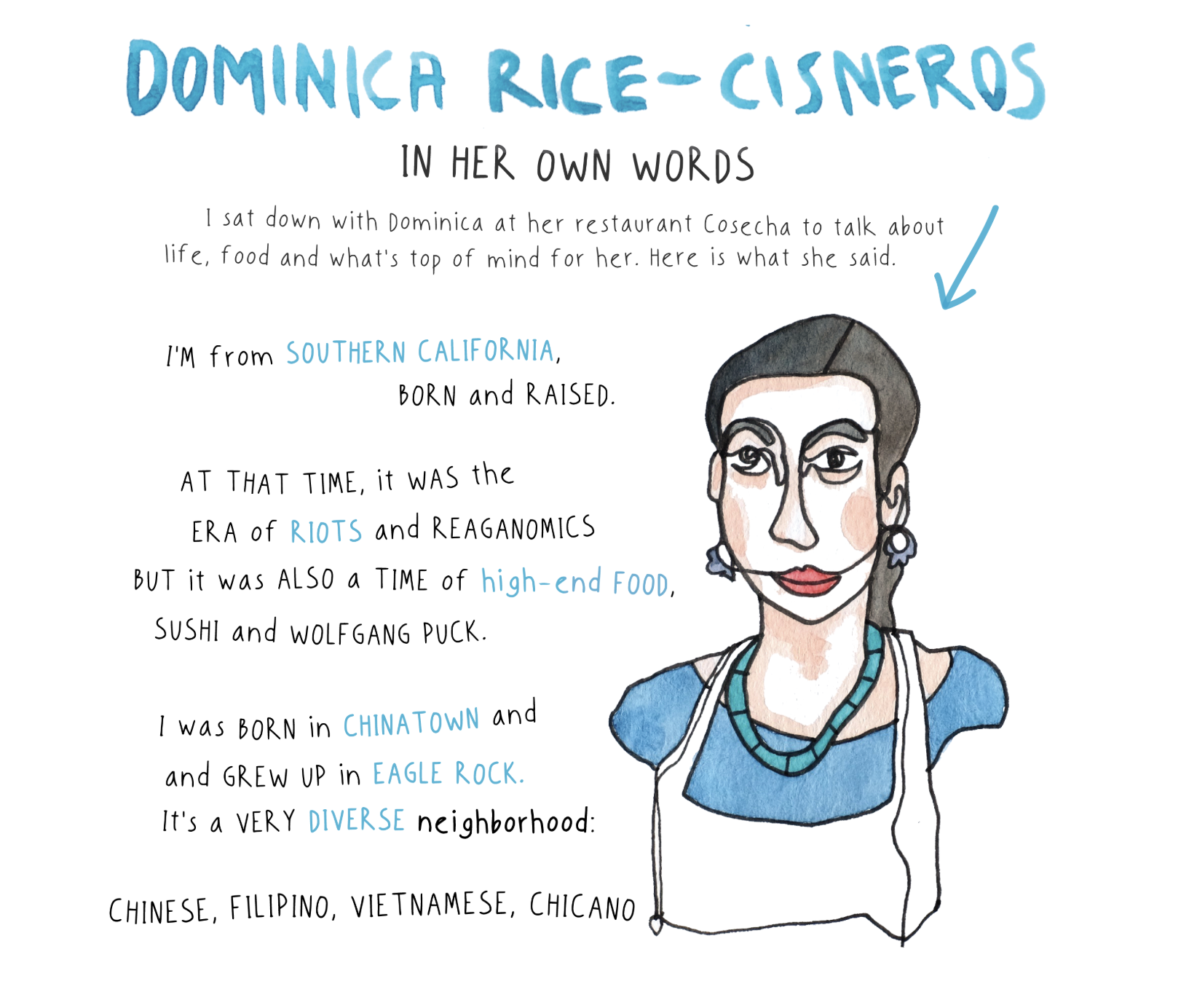
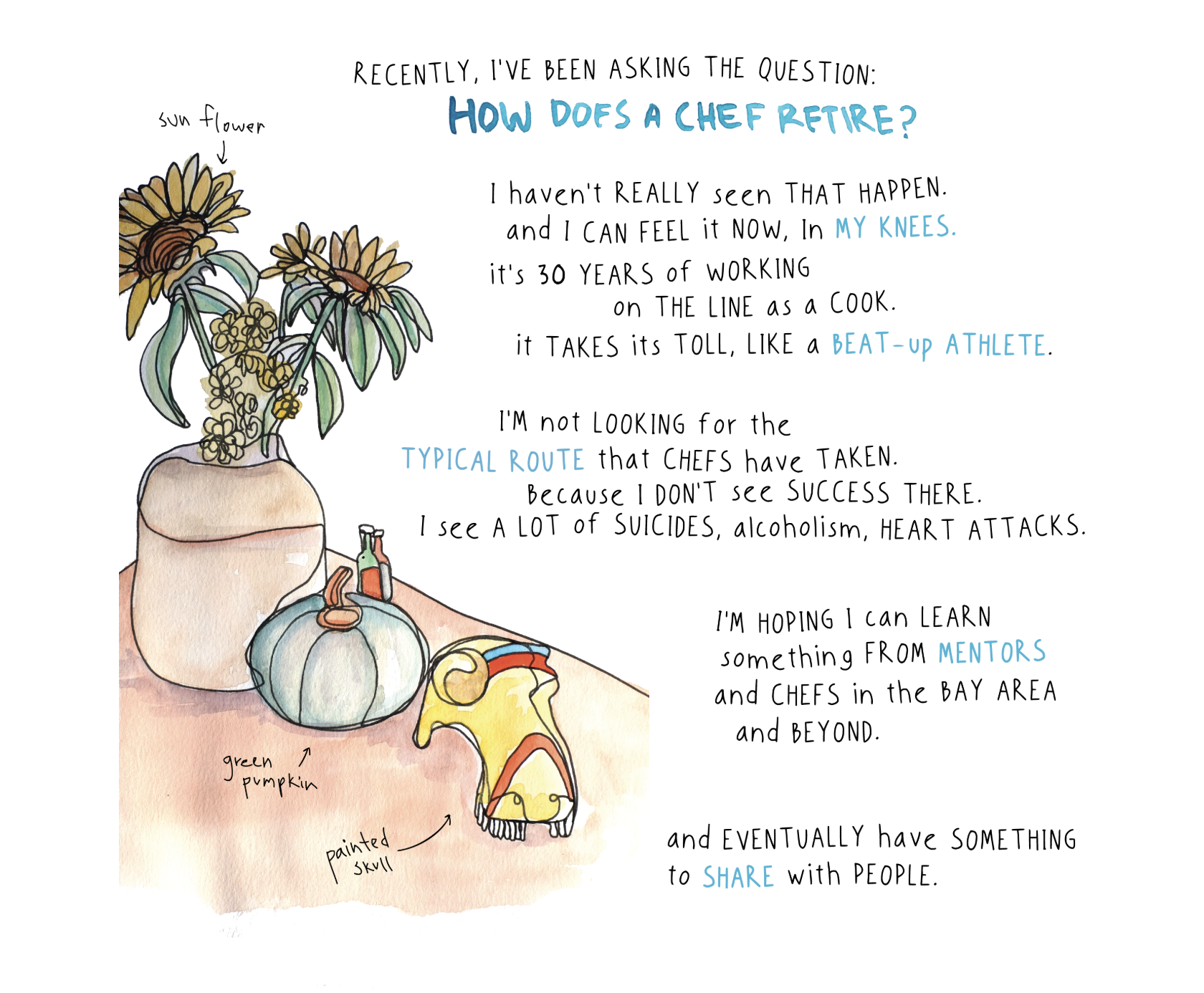
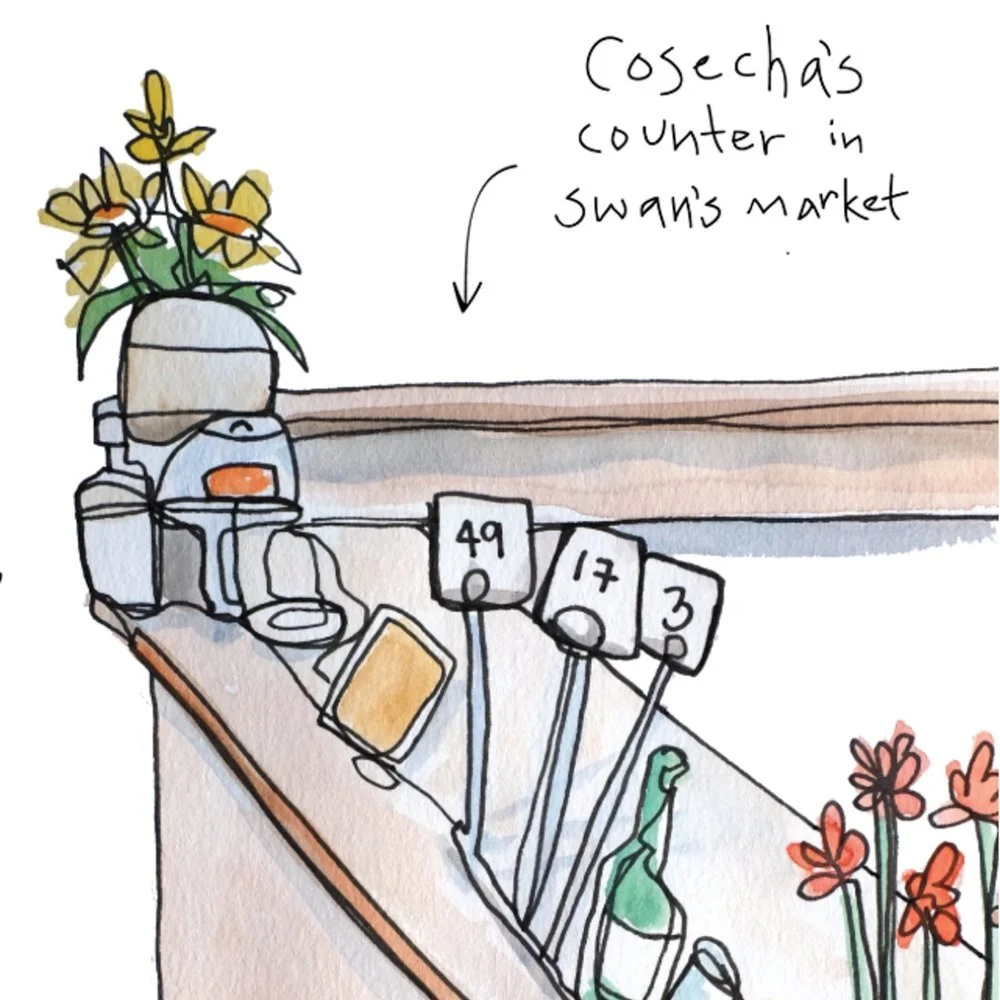
Kaitlin Strange, a founding member of the Art Junket, was asked by Berkeleyside, a small local newspaper, to write a series of columns on women chefs on the east side of San Francisco Bay. Katie interviewed chefs and used one-line drawings to tell stories of how the women started making food for others, and what challenges the food industry has for a woman in the business.

Many years ago, I watched as Katie made these one-line portraits. She didn’t seem to be really paying attention to what she was drawing, she just made it happen on paper. Line drawing is an image made by pen or pencil against a plain background and a continuous line drawing is one in which a single, unbroken line is used to make the image.

Katie Fitzmahan Strange. 2019

At first making portraits for her friends and family, Katie started making portraits of women who inspired her. Then people started to buy her little drawings - drawings that she made as an expression of love of friends, family, and important ideas. She made drawings of the nature she grew up with. She drew animals she tried to protect. As Katie travels to work or on journeys abroad, she carries a quiet little sketchpad. On the bus, sitting at a cafe, or hiking in the Sierras, Kaitlin Strange records life as she feels it.

Words and illustration of Berkeleyside article: Kaitlin Fitzmahan Strange

Words: Maureen Fitzmahan

Salvador Dali: Level Up


Salvador Dali

Here’s to the crazy ones, the misfits, the rebels, the troublemakers, the round pegs in the square holes… the ones who see things differently — they’re not fond of rules… You can quote them, disagree with them, glorify or vilify them, but the only thing you can’t do is ignore them because they change things… they push the human race forward, and while some may see them as the crazy ones, we see genius, because the ones who are crazy enough to think that they can change the world, are the ones who do.

Apple's THINK DIFFERENT advertising campaign. 1997-2002. Designed by TBWA/Chiat?Day ad agency. Text by Craig Tanimoto. Narrated by Richard Dreyfus and Steve Jobs. 1997.

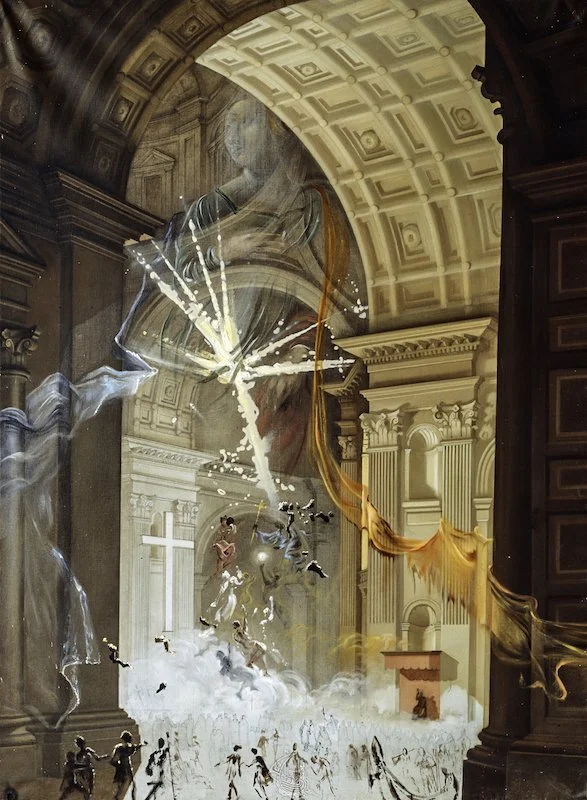
Salvador Dalí. Explosion of Mystical Faith in the Midst of a Cathedral. 1959 - 1974.

Salvador Dali wasn’t a surrealist. Picasso wasn’t a Cubist. These iconic artists of the 20th century were explorers.

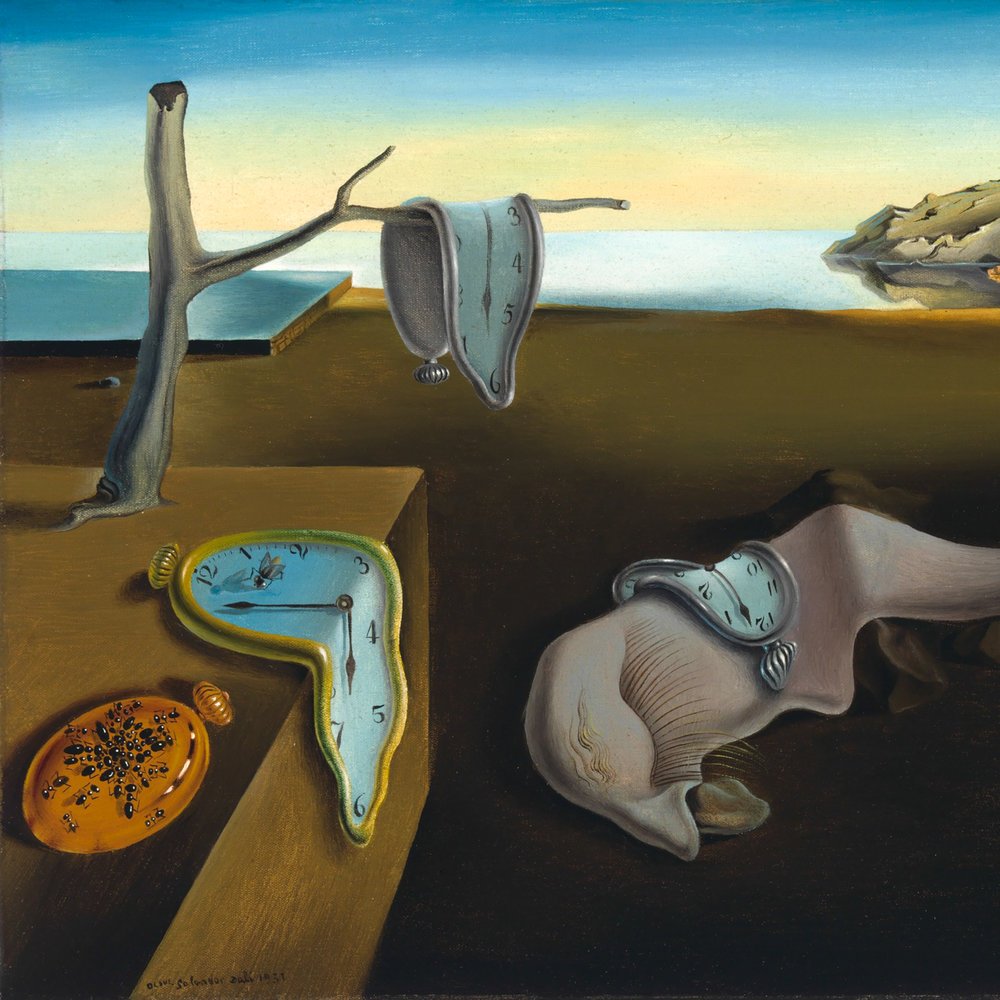
In March 2019 I visited the Dalí Theater Museum in Figueres, Catalonia, Spain. There are some paintings of Dalí I have liked for a long time. You know, the melting clock one: The Persistence of Memory. Or, a close up of Jesus Christ hanging on the cross in a darkened sky: Christ of Saint John of the Cross. When I was in my mid 20s I bought a Bible illustrated by Dalí’. It is the family Bible in our house today. I have to admit, though, that there are many of Dalí’s works that I just thought were plain weird.

When we visited Catalonia last Spring, we traveled to Figueres just to see the museum Dalí designed.I must confess, I was worried this would be a wasted trip. I needn’t have worried. We spent three hours discovering art in all its forms. We climbed a ladder to see an art installation that revealed a room that transformed into the face of Mae West. We stood on a viewing platform to view a corner of the vaulted courtyard where we found an abstract painting that metamorphosed into a face of Abraham Lincoln. Nothing in that building was boring or plebeian. Some art was strange, others were breathtakingly beautiful. The walk through the museum was an experience unlike one I have ever had before.

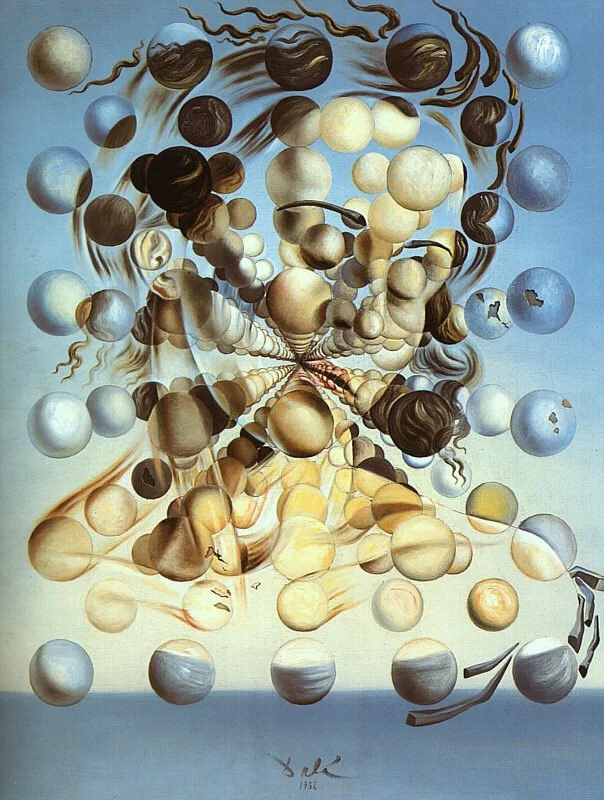
Salvador Dalí. Galatea of the Speres. 1952.

Dalí was the Marco Polo of art. He painted, sculpted, and made etchings and murals. He designed buildings and jewelry. He experimented with realism, cubism, surrealism, photography and film. He incorporated Renaissance painting into his art. Dalí unapologetically copied the art from centuries of other artists. He adopted ideas from Catholicism and modern science.

My favorite piece in the museum was Dalí’s Explosion of Mystical Faith in the Midst of a Cathedral. We saw a large copy of the painting in one room and then went in search to find the original. As if we were in an Escape Room, we searched throughout the museum for clues. I pride myself in being a consummate mystery solver after years of reading Louise Penny and Tony Hillerman, and watching hours of British mystery series. We finally found the original in the courtyard. I say “found,” but we never saw the painting directly. We never saw this painting of 7.5 feet x 5.5 feet. Hidden behind another installation, the painting can only be seen as a reflection in a mirror.

Dalí worked on this painting in his studio for 15 years and it is one of Dalí’s least known works. And, yet, the painting brought tears to my eyes.

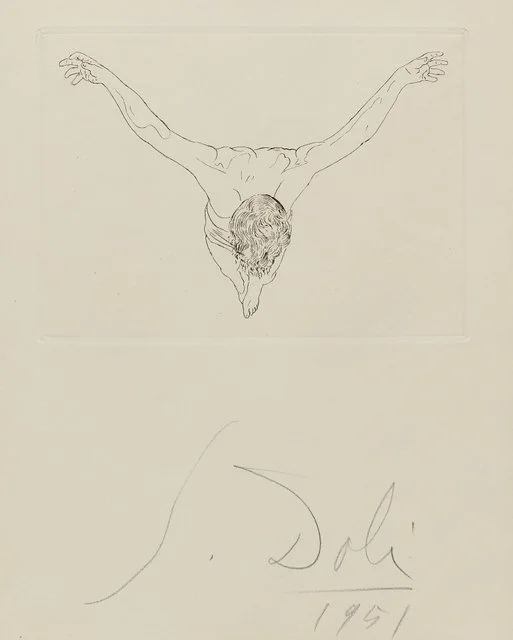
Salvador Dali. Manifeste mystique (Mystic Manifesto). 1951.

Dalí copied the face of the ascending saint from Raphael’s Saint Catherine of Alexandria, c. 1507. What stands out above all is the central explosion of white and yellow light. An energy bursts and shatters off the canvas. I felt myself standing amongst the figures scattered at the bottom of the canvas. Hoping to ascend.

Dalí said he was emotionally affected by the tragedy of the atom bombs dropped in 1945. After the war, he accused his fellow artists that their art' “comes so directly from the tube of their biology that they don’t even mix in even a bit of their heart or soul.”

Front page: Salvador Dalí, The Persistence of Memory. 1931. MOMA, New York City.

Words: Maureen Fitzmahan


Salvador Dalí. Explosion of Mystical Faith in the Midst of a Cathedral. 1959 - 1974.

Salvador Dalí. Galatea of the Speres. 1952.

Salvador Dali. Manifeste mystique (Mystic Manifesto). 1951.

Negative Space


Negative Space

Gates appeal to me because of the negative space they allow. They can be closed but at the same time they allow the seasons and breezes to enter and flow. They can shut you out or shut you in. And in some ways there is no difference. Bob Dylan, 2013

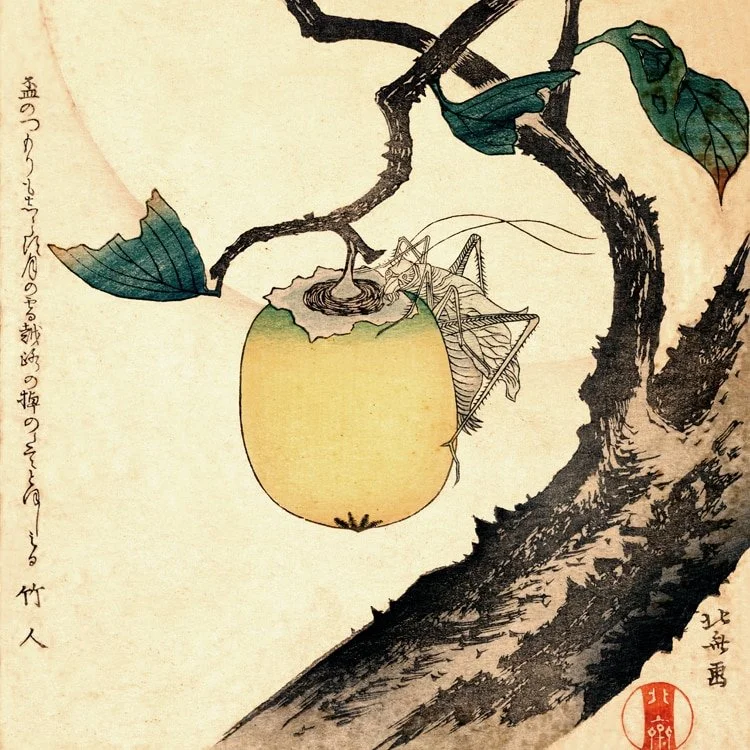
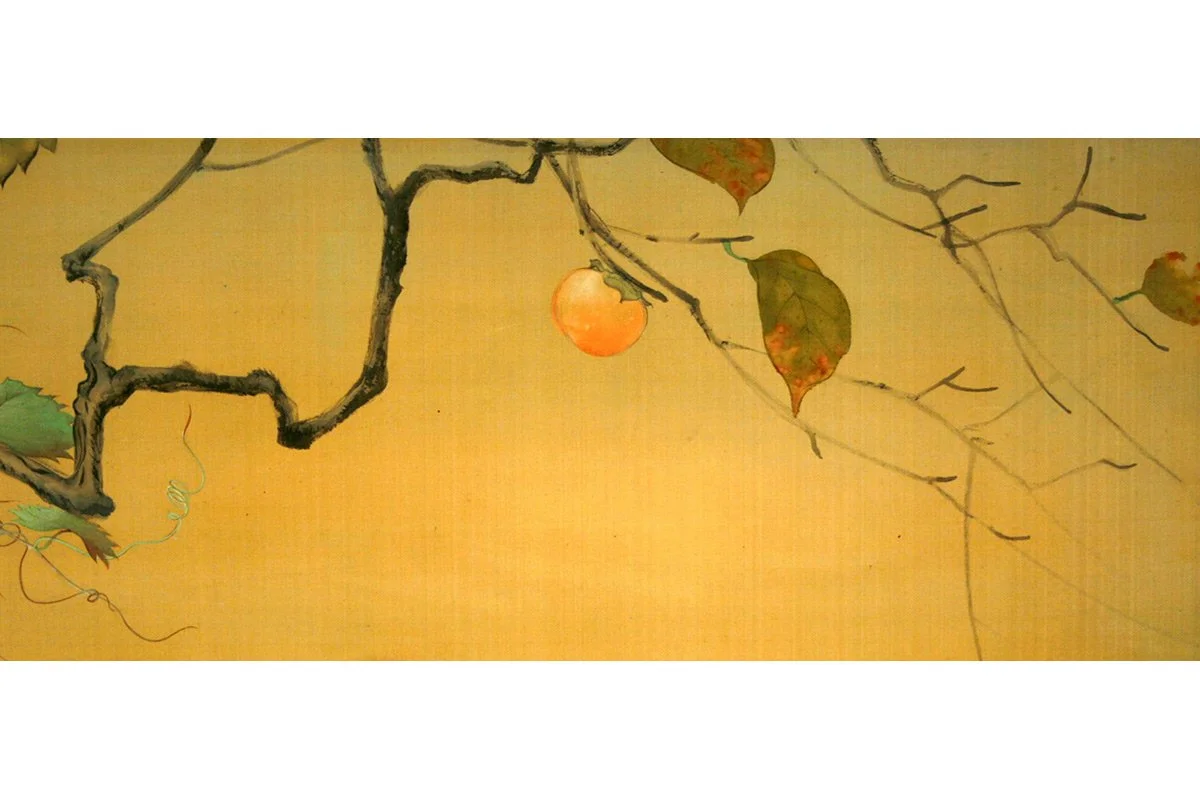
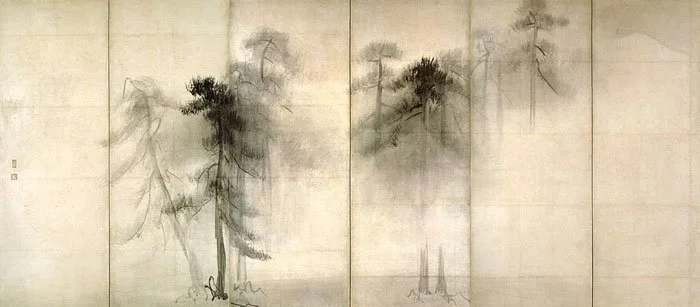
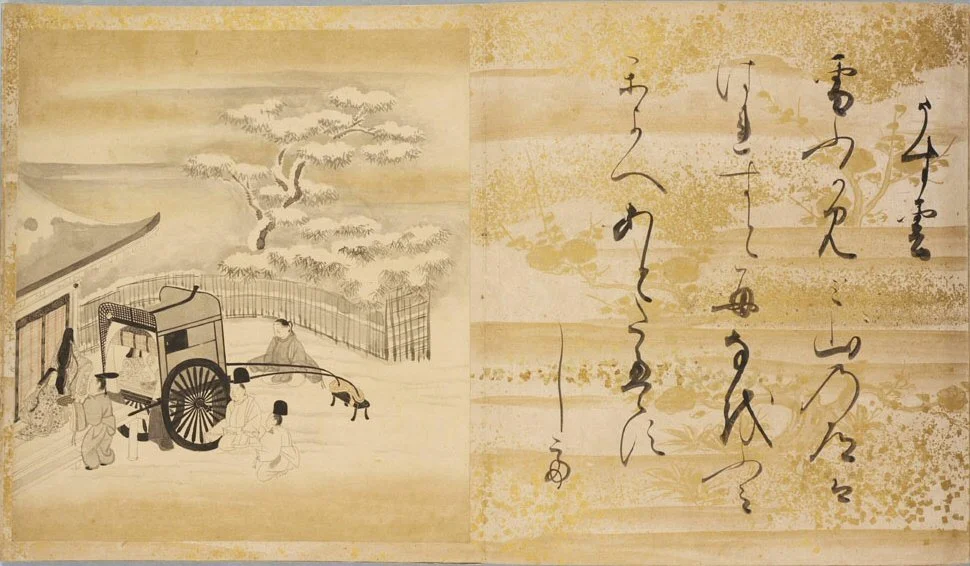
Negative space gives the observer some breathing room, a place to relax before moving on. The negative space in a composition may also help to shift the eye of the observer from a void to a place of focus. East Asian art effectively made use of the concept of emptiness.

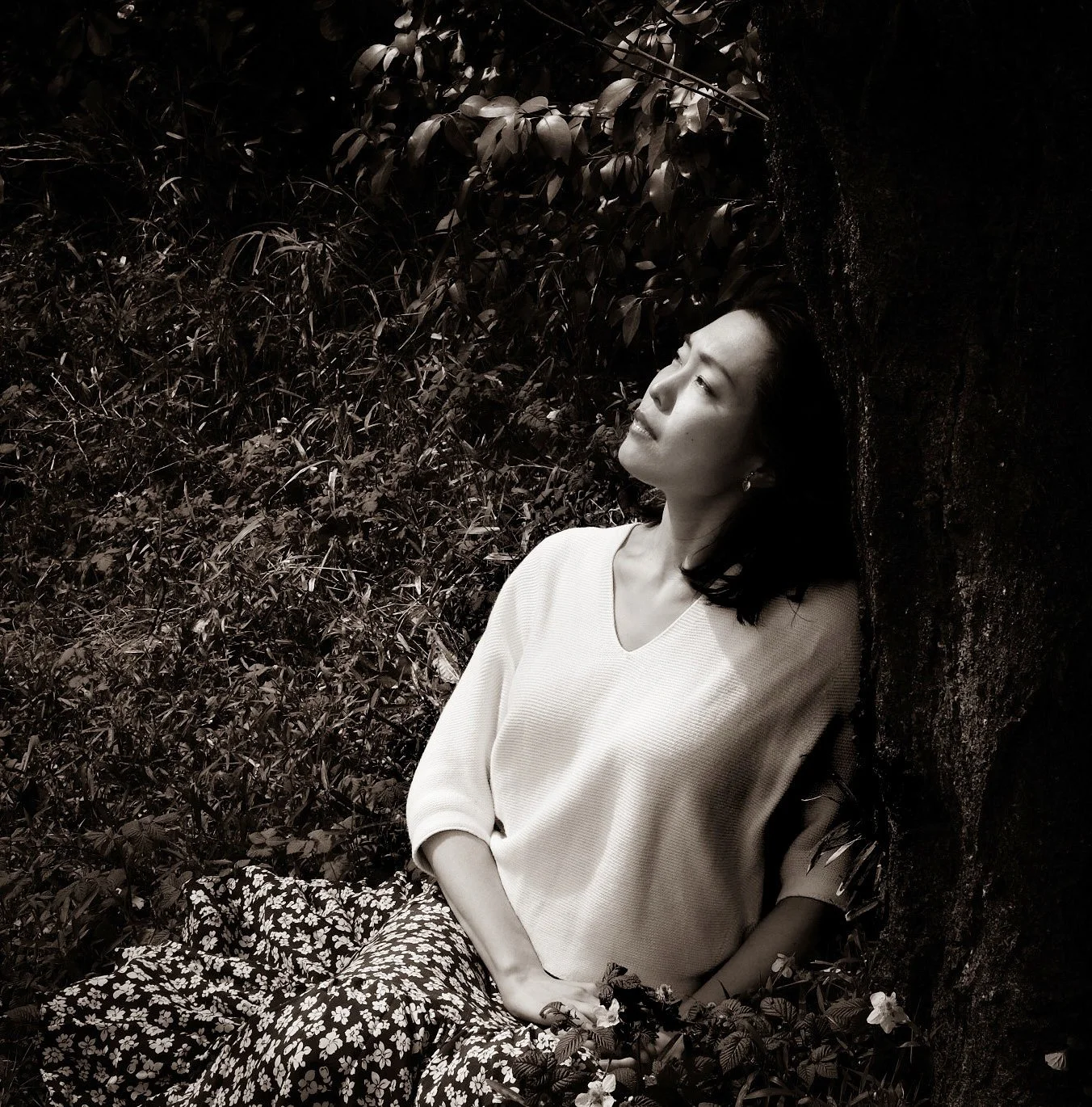
mbfitzmahan. Eri Watanabe. Tokyo, Japan. April 2022.

Negative space is the empty space around the positive image of a painting, a photo, even within a garden. Negative space is far from empty. Negative space can form an artistically interesting shape, and may be the real subject of an image.

Toda Hokuyo, Painting of Squirrels Playing in a Persimmon Tree, ~1924

Negative space in Japanese is yohaku no bi,  余白の美, i.e. the beauty of a white space. Negative space is used in sumi-e paintings as well as in other art of Japan and China. It is this aesthetic that influenced the simple tatamis and shoji in a Japanese home. I am especially a fan of the white walls, aromatic grass tatami, and shoji that divide the rooms and allow a diffused light to come in from the outside. The Japanese admire a space between, also calling it ma, 間, or aida, a kanji used in everyday Japanese to mean in between.

Right panel of the Pine Trees screen Shōrin-zu byōbu 松林図 屏風 by Hasegawa Tōhaku (1539–1610).
19th and 20th century modern European painters used yohaku no bi in their paintings. After 1854 when the Japanese were forced to open their borders after 250 years of strict isolation, Japanese prints, paintings, and fine pottery were sent to Europe and North America. Europeans were ecstatic to see these ‘exotic’ new pieces of art and bought all they could find. Van Gogh, Paul Gaugin, Monet, Mary Cassatt, and Edgar Degas copied the styles from Japan. Later Dalí incorporated these ideas into his work.

It is this admiration of negative space, that has led to an appreciation in the West of the minimalism seen in Asian art and perceived life style. Yohaku no bi is the aesthetic that influenced Japanese author, Marie Kondo’s book The Life-Changing Magic of Tidying Up (2011).
Sumiyoshi - The Tale of Genji (Genji Monogatari), 1600s

FIRST ART WORK: Katsushika Hokusai. Moon Persimmon and Grasshopper. 1807.
WORDS: Maureen Fitzmahan

Paris, Street Photography


Maureen Fitzmahan

We'll always have Paris, Julius J. Epstein, Philip G. Epstein, and Howard Koch, Casablanca, 1942

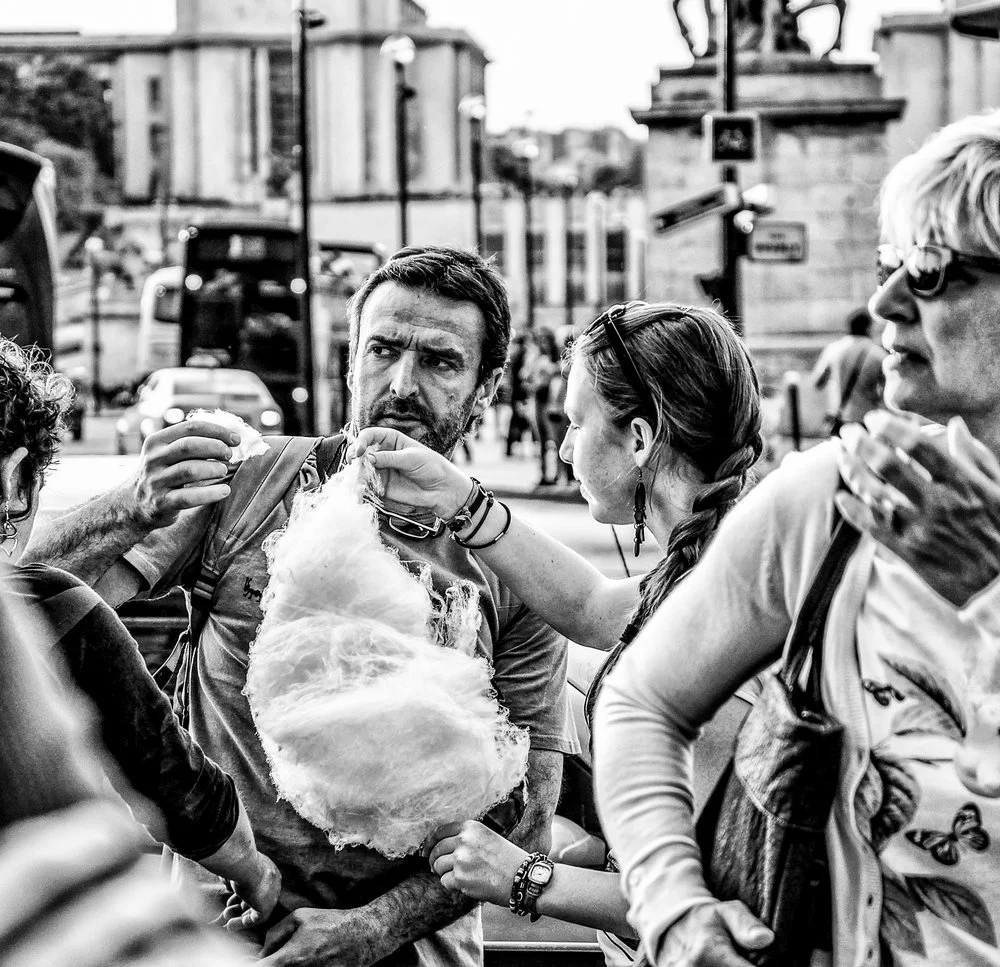
Ahhh… Paris. First among cities for a street photographer and documentarian. There are other great places to take street photos. The teeming streets in Manhattan present men and women of all kinds. Well dressed, poorly dressed, and undressed.

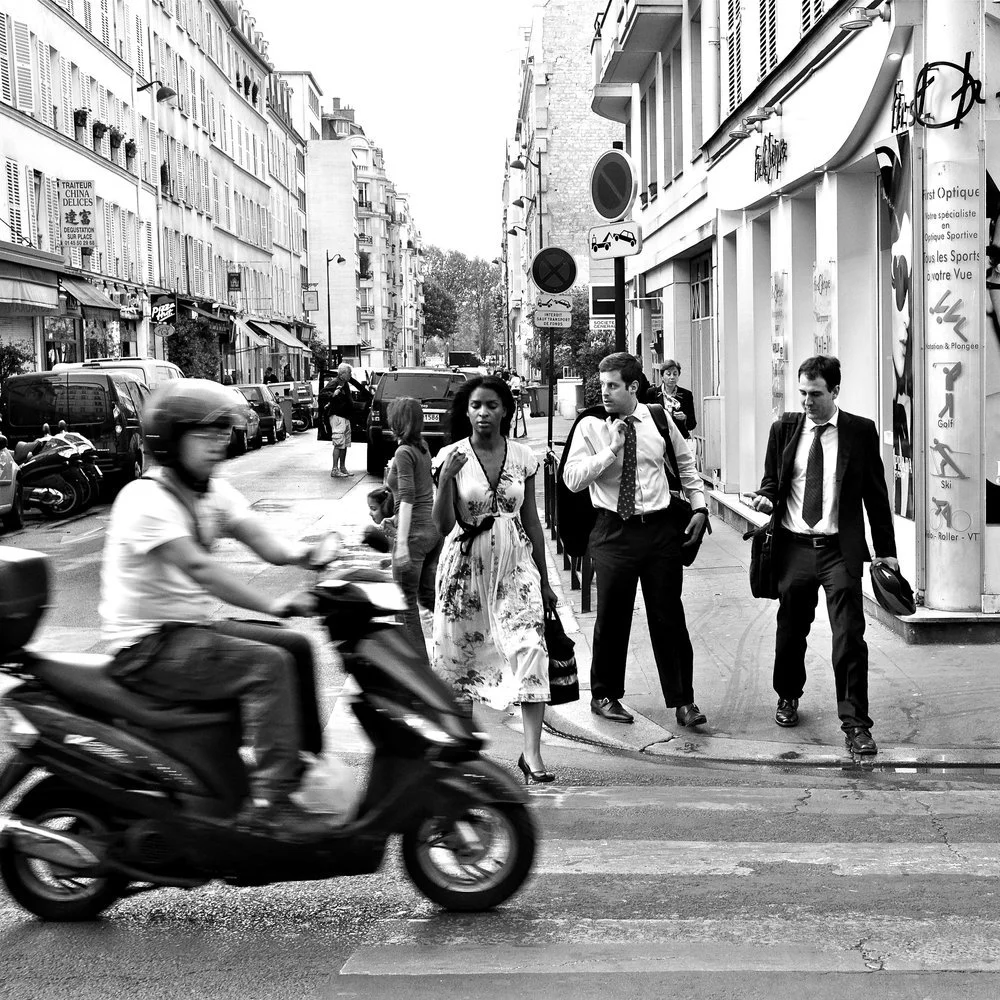
mbfitzmahan. Paris.

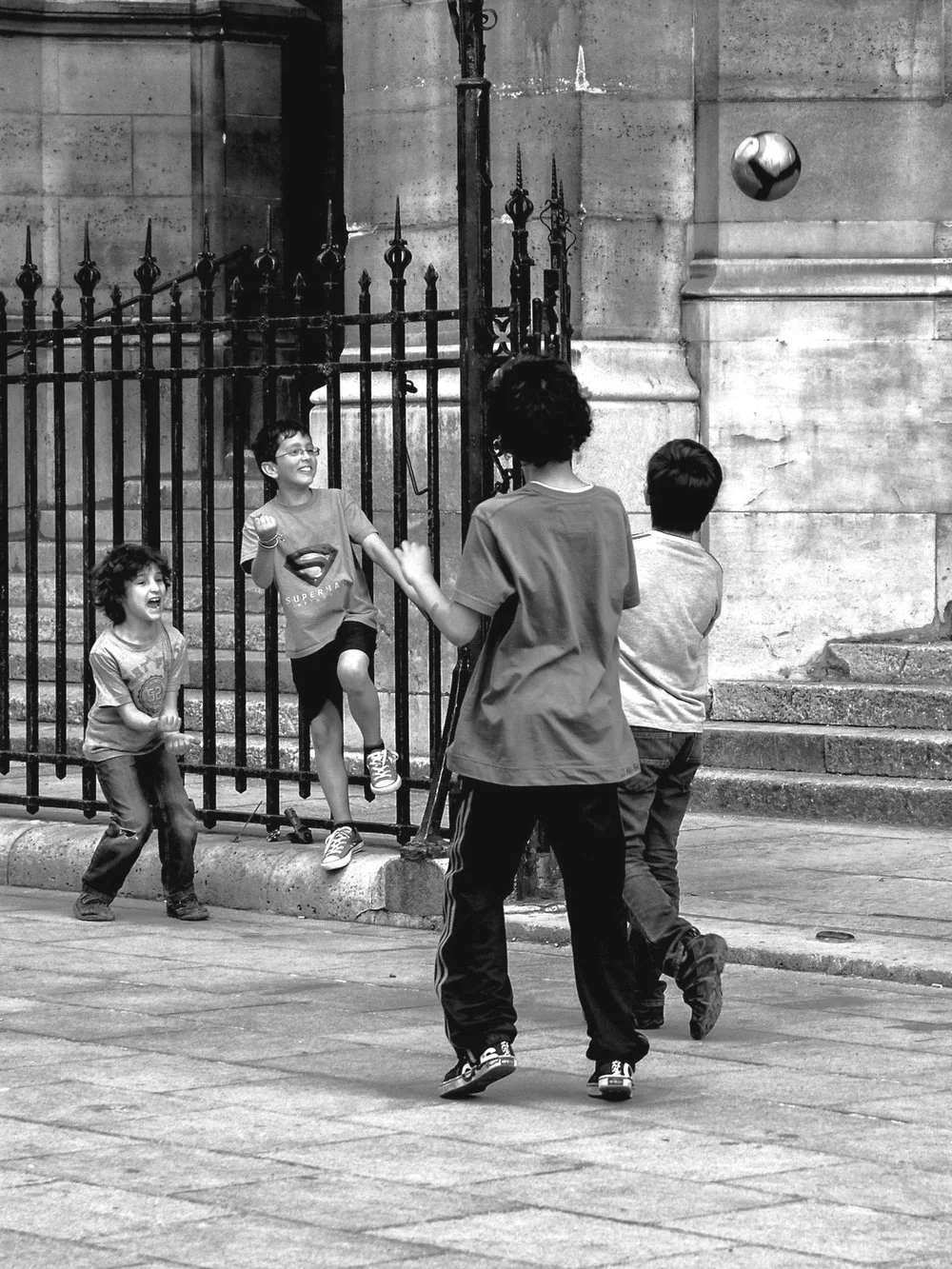
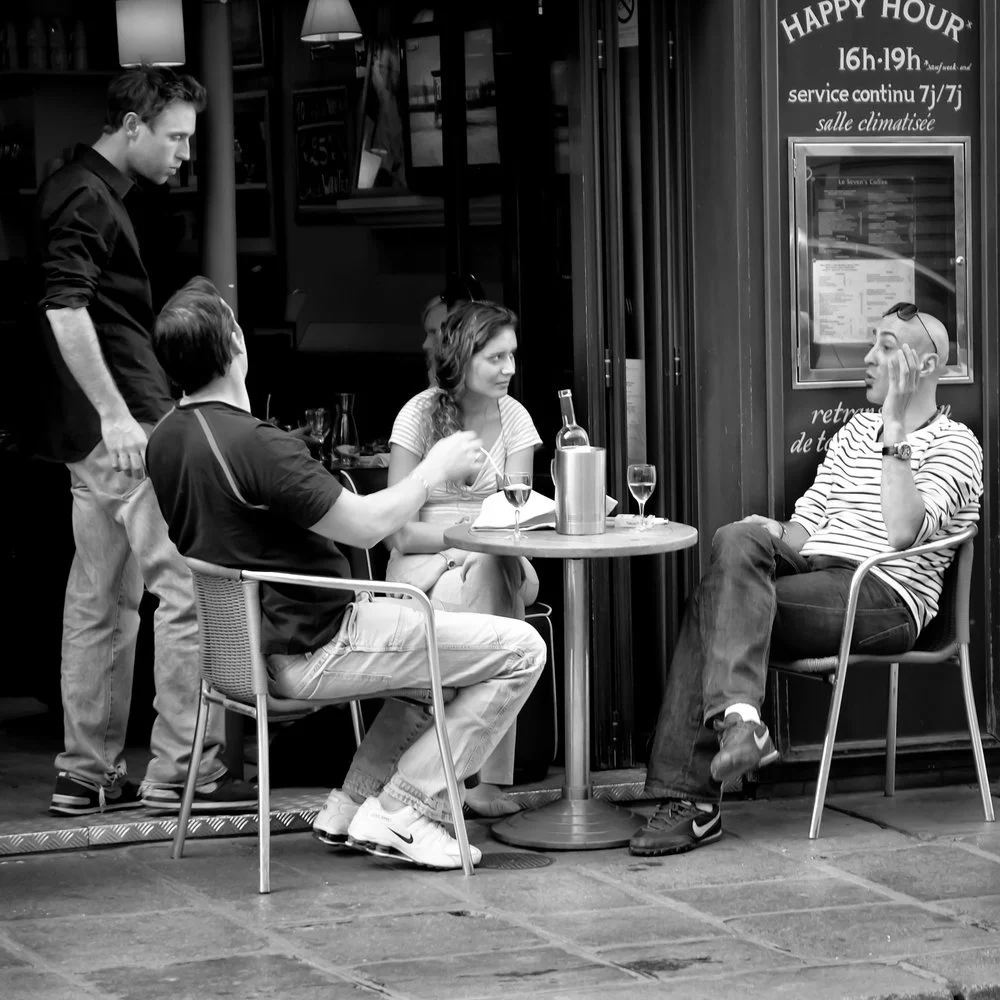
Street photography started in Paris. Refreshingly freed from the heavy cameras of their predecessors, Henri Cartier-Bresson, Édouard Boubat and Robert Doisneau documented Paris in pre and post World War Europe. They were joined by other photographers, many of them Jewish refugees, who escaped Hungary and Germany to work in photography in Paris. Their work captured an instant in the lives of ordinary people of the Paris of the 30s, the 40s, and the 50s.

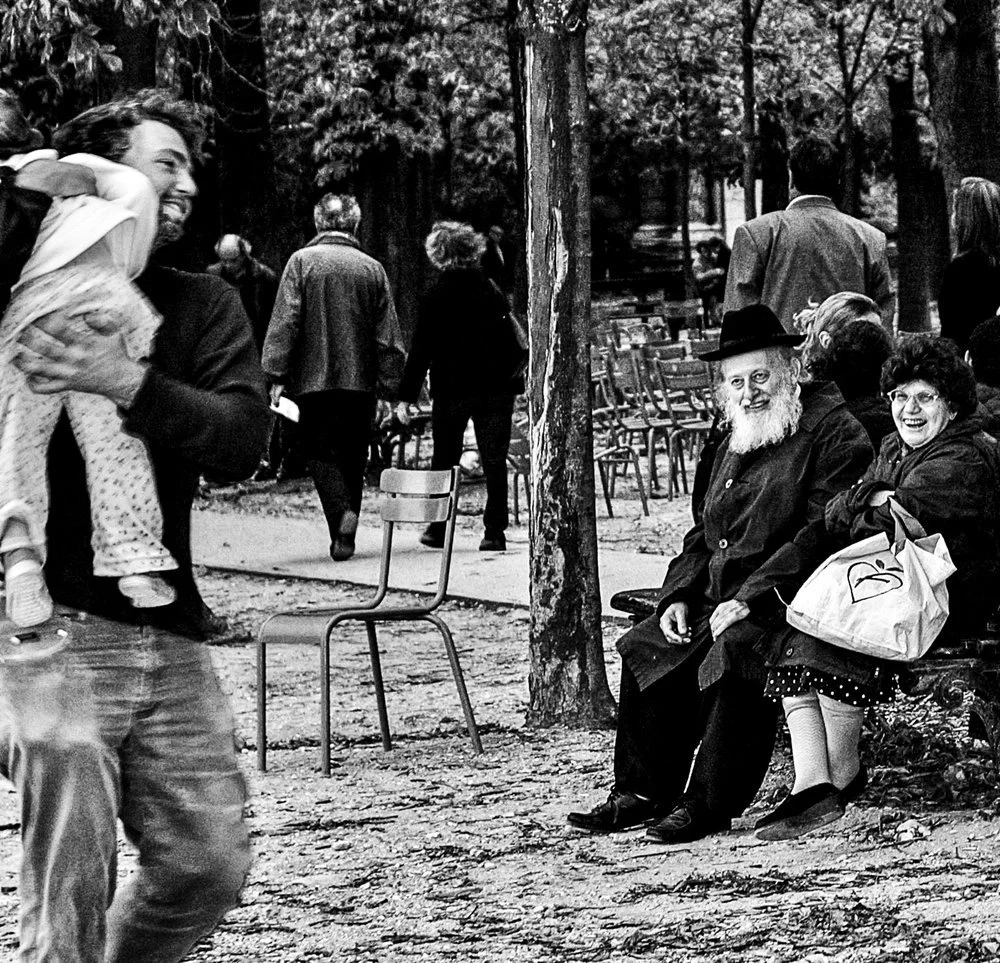
mbfitzmahan. Cafe, Paris, France.

Cartier-Bresson was a pioneer in this genre. He carried two Leicas around his neck and would wait for what he called the ‘decisive moment.’ He would choose a crumbling wall, a waiting puddle or a staircase as a backdrop and then wait for people to fill in the story. He wrote, “In photography, the smallest thing can be a great subject. The little, human detail can become a Leitmotiv.”

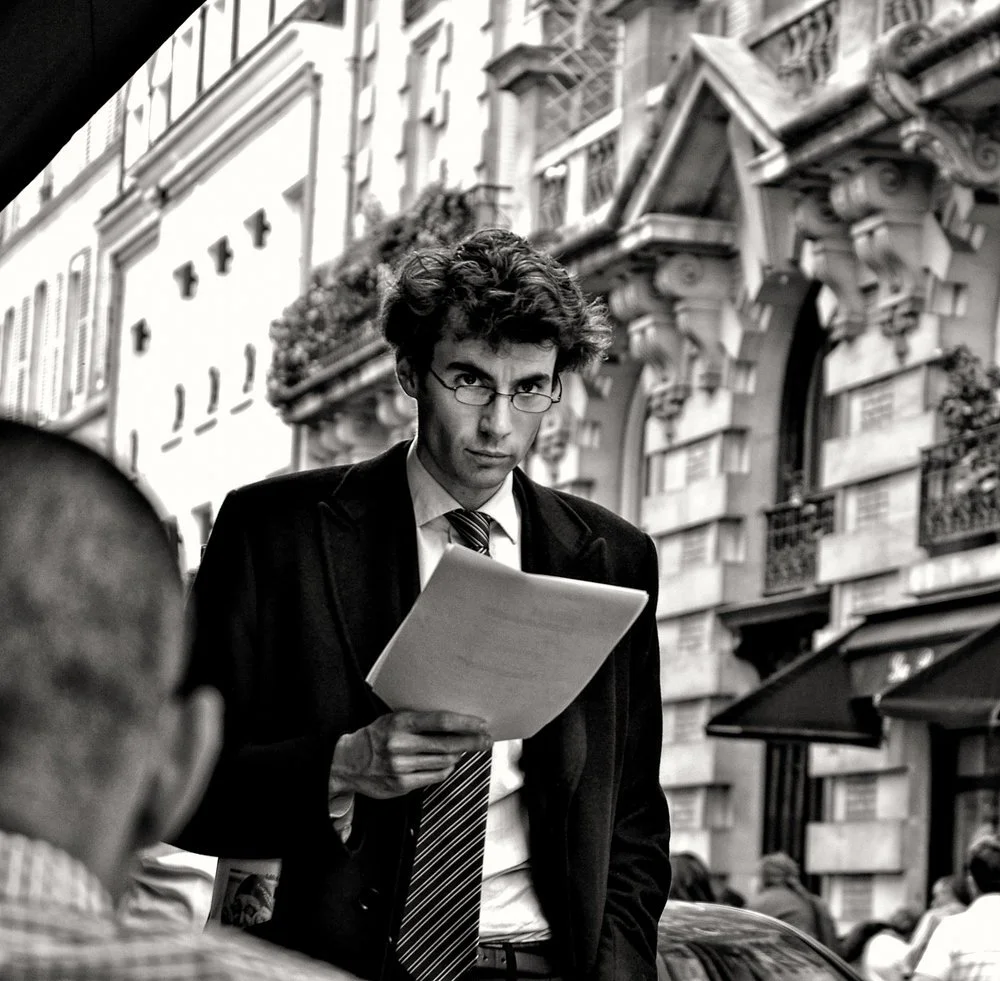
mbfitzmahan. Paris.

The motivation of the street photographer is to catch ordinary people doing what they do every day. Unlike portraiture or fashion photography, the subjects do not have time to pose and most photos capture them unaware. I like it when I capture some emotions such as anger, laughter, wonder, frustration, boredom, or surprise.

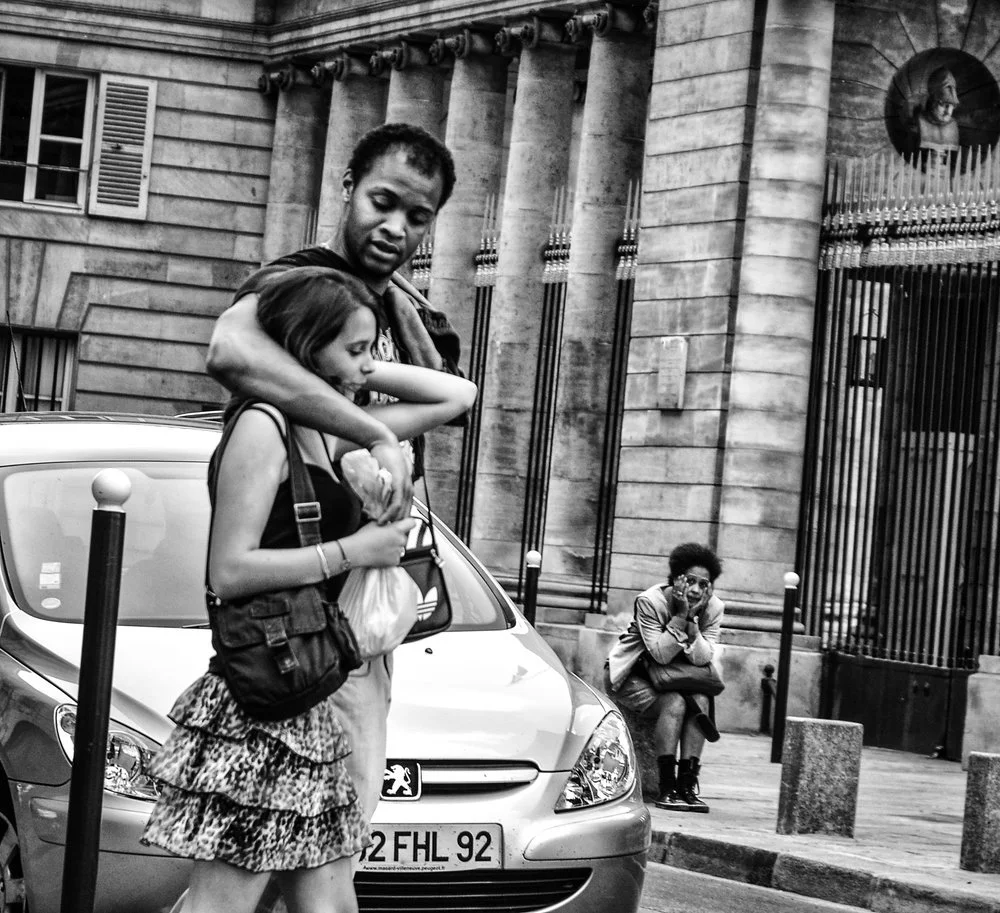
mbfitzmahan. Paris.

I live by an unbreakable code: I never make a photo that would embarrass. I feel a duty to the people in my photos and I remember their faces long after I make the photo. The people on the street may not look like movie stars, but they are beautiful in their natural surroundings.

mbfitzmahan. Paris.

mbfitzmahan. Paris.

Photos and Words: Maureen Fitzmahan